
















For the first time in Lithuania’s history, the parliamentary opposition employed a filibuster to delay consideration of amendments to the law governing the national public broadcaster, LRT. The proposed changes would make it easier to dismiss the broadcaster’s director general.
A filibuster is a parliamentary tactic that slows the legislative process through prolonged speeches or procedural manoeuvres without breaking formal rules.
The amendments were being pushed through urgently by the Social Democrats, the Nemunas Dawn party and the Lithuanian Farmers and Greens Union. Such fast-track procedures are generally reserved for exceptional cases aimed at protecting vital public or state interests.
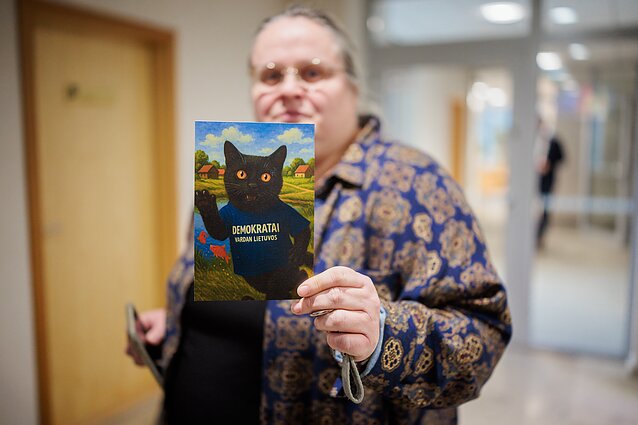
The ruling coalition’s rush sparked mass public protests, while journalists’ associations and LRT reporters urged lawmakers to deliberate thoroughly. The opposition responded by submitting hundreds of proposals – many of them humorous or absurd – to the draft law, forcing an extraordinary Seimas session on Tuesday that lasted several hours.
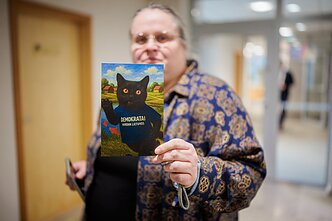
During the session, the Seimas unexpectedly approved a proposal by Conservative lawmaker Dalia Asanavičiūtė-Gružauskienė stipulating that the LRT director could be dismissed before the end of their term only if a cat belonging to another opposition MP, Agnė Širinskienė, expressed no confidence.
A second prolonged session was scheduled for Thursday, but it was disrupted when Kęstutis Vilkauskas, the chair of the Culture Committee which had to consider all the opposition proposals, fell ill and was taken to hospital.
Hundreds of opposition proposals remained unconsidered, and the extraordinary session was later cancelled.
Filibustering is typically used when proposed legislation is highly controversial but the opponents do not have enough votes to stop it.
The tactic has a long history in the United States, where it became notorious. The term “filibuster” originates from Dutch, meaning “piracy”, and in politics refers to “hijacking” legislative time.
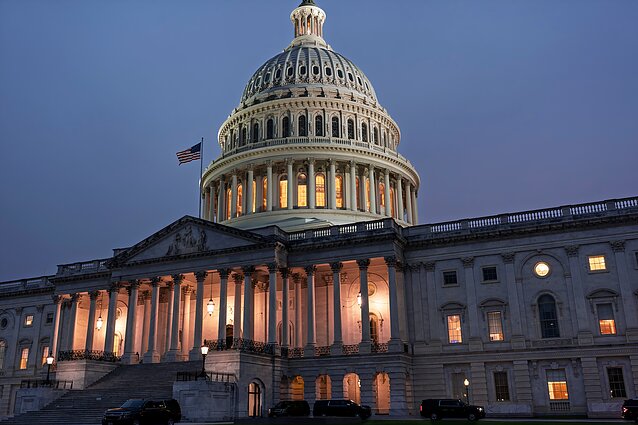
One of the most famous filibusters occurred on August 30, 1957, when South Carolina Senator Strom Thurmond spoke for 24 hours and 18 minutes to delay a vote on the Civil Rights Act. To endure the marathon speech, Thurmond reportedly dehydrated himself beforehand and had a bucket prepared in the chamber, in case he needed to urinate, but ultimately did not need it.
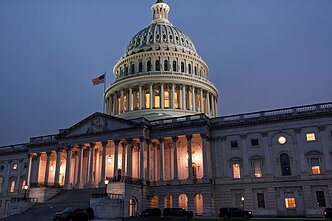
In modern US politics, filibusters often occur procedurally, by preventing a vote rather than delivering long speeches. This method was used during this year’s US government shutdown, when Democrats in the Senate repeatedly blocked temporary funding bills passed by the Republican-controlled House, prolonging the shutdown to a record 43 days.
Filibustering has become increasingly common in the US Senate over the past decade due to growing political polarisation. Lithuania’s use of the tactic marks a historic first in its parliamentary practice.

Newsletter
Every Friday morning.