











Lithuania is celebrating the centenary of its national ballet with a newly opened exhibition at the Lithuanian Theatre, Music and Cinema Museum, offering a sweeping look at the art form’s evolution from court performances in the 1600s to the modern stage.
The exhibition, titled “Šokimai, rodymai, nudavimai… Lietuvos baletui – 100” (“Dances, Displays, Performances… 100 Years of Lithuanian Ballet”), takes its name from a 1907 dictionary entry by cultural figure Jurgis Šlapelis, who described ballet as “a performance in the theatre: dances, displays, performances without speech and without voice”. Curators say the phrase captures both the spirit of the art form and its long-standing presence in Lithuania.
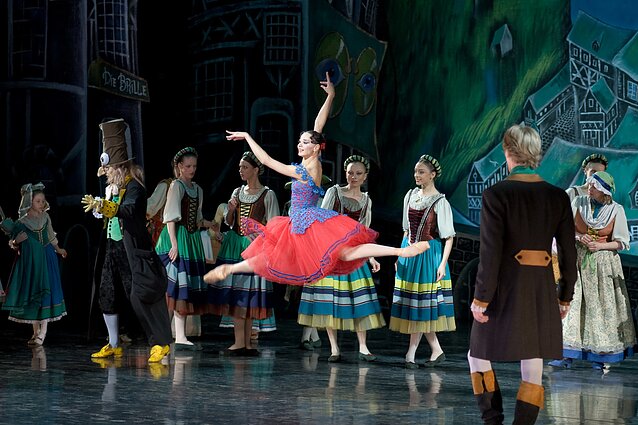
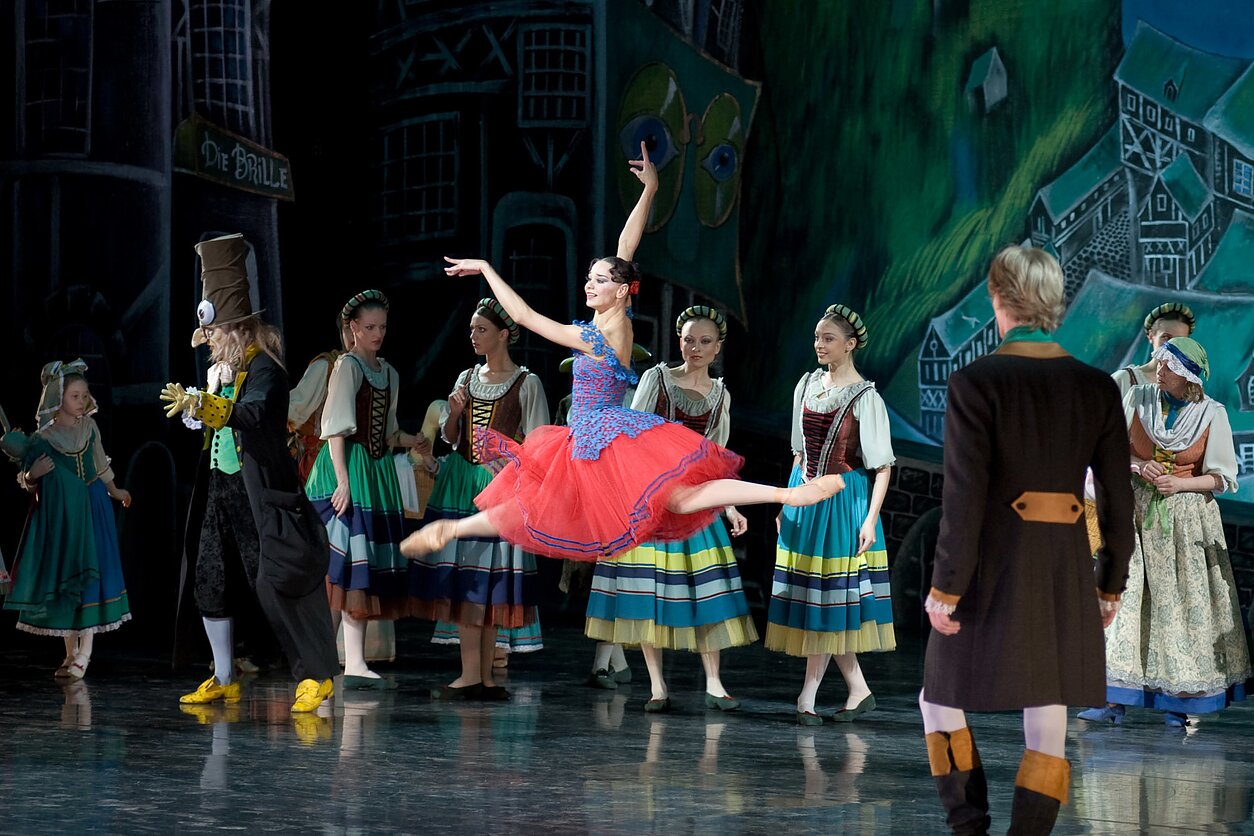
Although the history of Lithuanian ballet officially begins on December 4, 1925, with the premiere of Léo Delibes’ Coppélia at the State Theatre in Kaunas, the exhibition traces its roots centuries earlier.
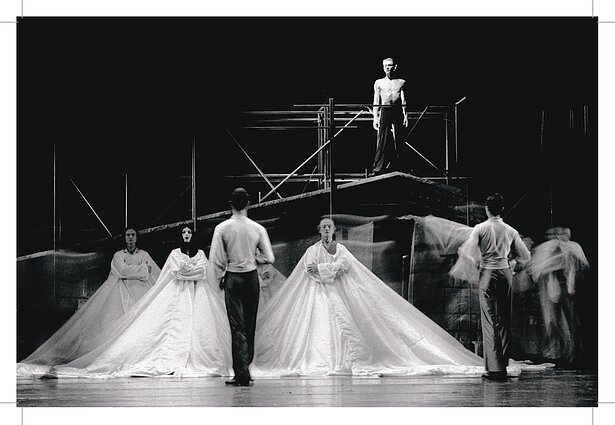
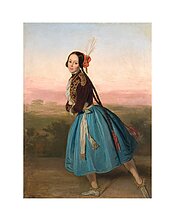
Visitors are led through the development of dance and ballet in Lithuania, beginning with 17th-century opera productions in the Lower Castle in Vilnius, followed by court and school theatres in the 18th century and the Vilnius City Theatre in the 19th century.
Helmutas Šabasevičius, a professor and the exhibition’s curator, said the goal was to show not only what Lithuanian ballet achieved over the last century, but also the foundations laid long before 1925.
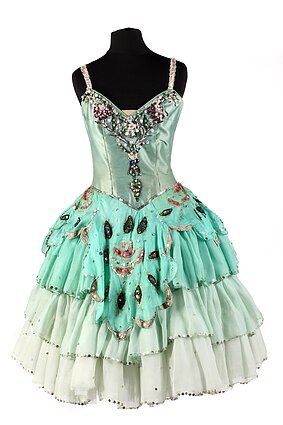
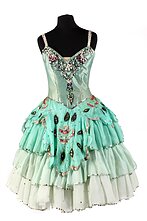
“The first hall presents early initiatives in our culture – ballet and dance in the ruler’s theatre, in opera, in court theatres and in the city theatre,” Šabasevičius said. “The main hall quickly walks visitors through what happened during the politically difficult periods: the beginnings in Kaunas, the later move to Vilnius, the fall of the Iron Curtain and the newest artistic initiatives. Two additional halls are dedicated to our soloists, their costumes, portraits and personal items.”
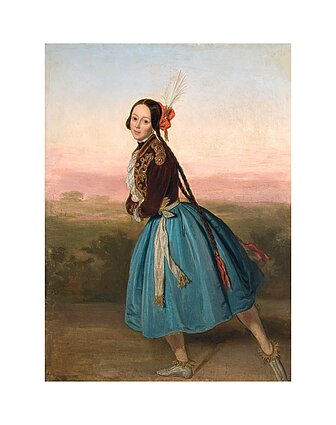
A separate section is devoted to Coppélia, Lithuania’s first professional ballet production, choreographed in 1925 by Pavel Petrov. Later Lithuanian stagings of the ballet – by Nikolai Zverev, Vytautas Brazdylis and Kirill Simonov – are also highlighted.
“The first production was simple, and the cheerful, comic story appealed to audiences,” Šabasevičius said. “Petrov’s version became popular with families. Many choreographers later revisited and reinterpreted the work. Zverev’s staging was especially significant because it was included in the Lithuanian ballet company’s first tours to Monte Carlo and London in 1935, and it was revived many times afterward.”

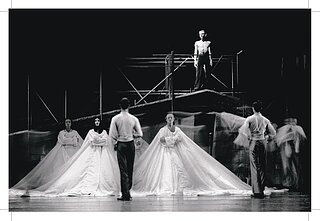
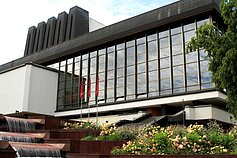
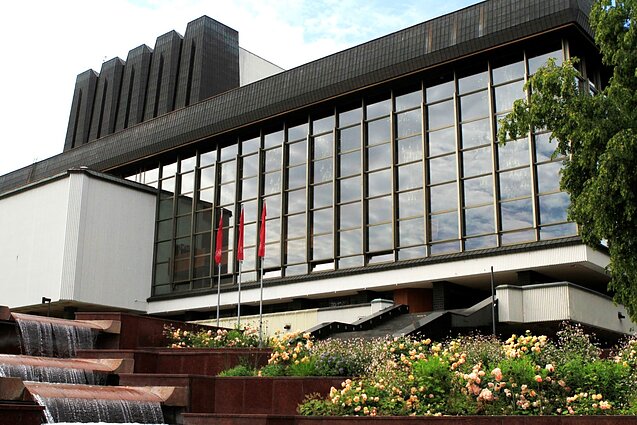
The exhibition aims to show the works created in Lithuania that shaped the national ballet’s identity, first in Kaunas’ State Theatre, and later in Vilnius at the Lithuanian State Academic Opera and Ballet Theatre. The troupe performed in the old theatre building on Basanavičiaus Street until moving in 1974 to its current home, the National Opera and Ballet Theatre on Vienuolio Street.
The exhibition “Šokimai, rodymai, nudavimai... Lietuvos baletui – 100” will run at the Lithuanian Theatre, Music and Cinema Museum through September next year.