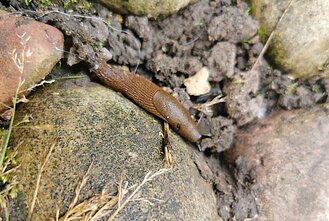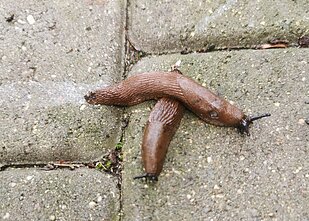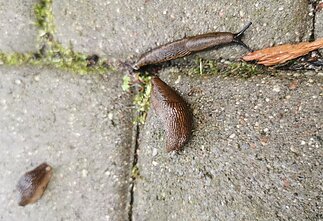















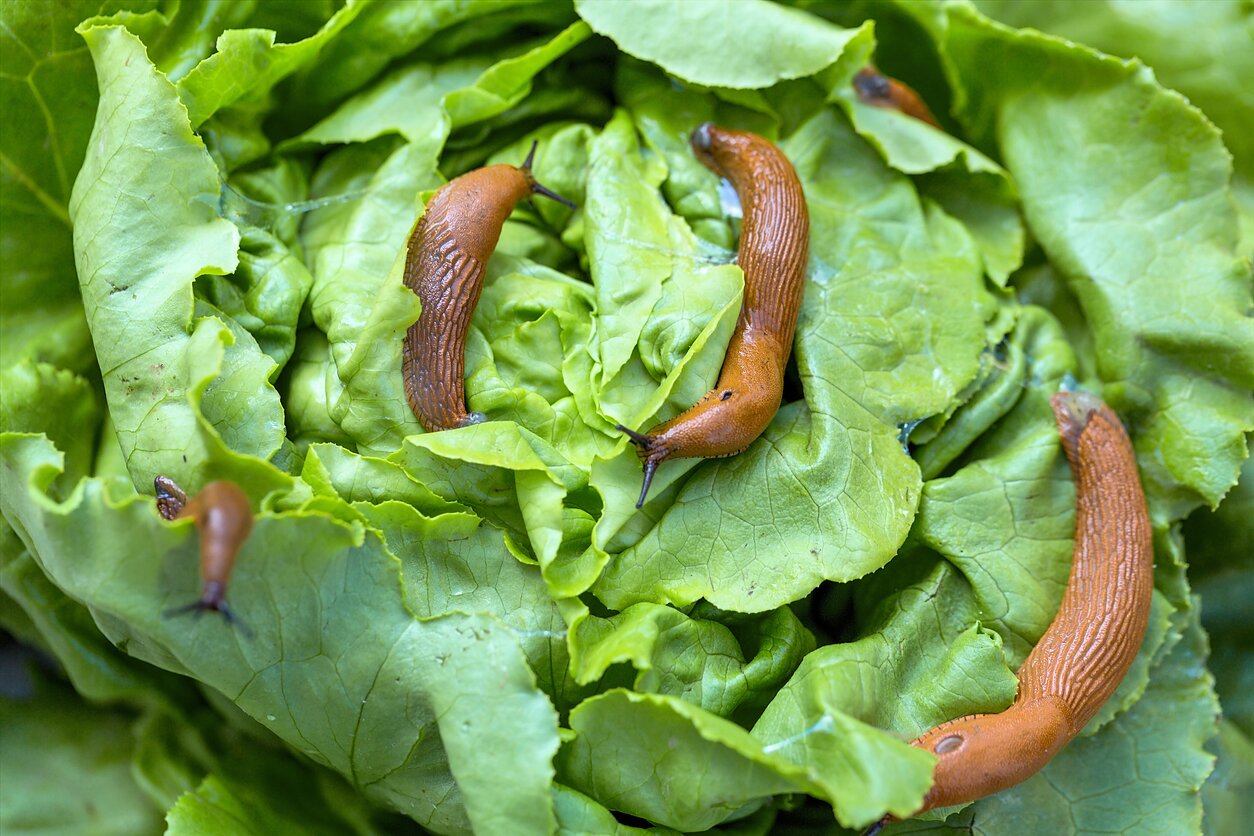
Invasive slugs are causing widespread damage to crops, gardens, and public green spaces in Lithuania, leaving farmers struggling to protect their fields despite the use of specialised plant protection measures. Municipalities will receive €840,000 next year to combat the pests.
In Marijampolė, a five-hectare field of winter rapeseed was destroyed by slugs just days after the first leaves appeared. Farmer Giedrius Aleknavičius, aware that slugs frequent the field, applied seven kilograms of molluscicide three days after sowing, and repeated the treatment several days later – but was still unable to prevent significant damage.
“You walk, watch, see when they start eating, sprinkle granules – maybe a little too late. In spring, we’ll have to reseed with other crops,” Aleknavičius said.
Aleknavičius practices no-till farming. In previous years, chemical treatments successfully reduced slug populations, but this wet summer has created ideal conditions for their reproduction. He plans to sow wheat in the field next spring, which slugs do not eat, and will attempt rapeseed again in future years with deeper soil cultivation.
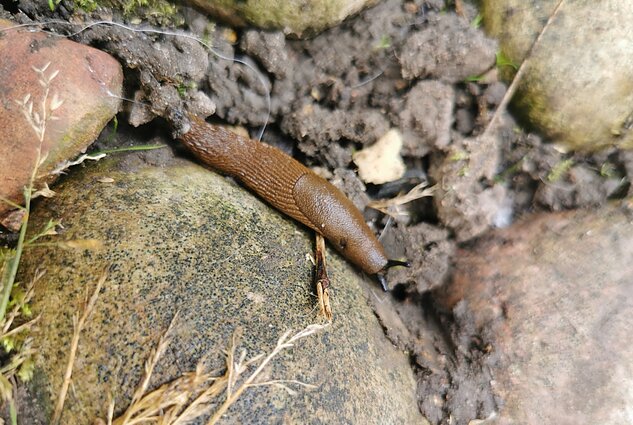
“Plowing the soil exposes it to oxygen and sunlight, which kills the slugs. This way, we won’t need to use slug pellets,” Aleknavičius said.
Sigutis Jundulas, head of the Marijampolė Farmers’ Union, said slugs thrive in no-till fields because the soil is left undisturbed, providing shelter for the pests among crop residues.
Scientists recommend controlling slugs continuously, from early spring to late autumn.
“Some hatched in October, others in November. Now they are frozen, but in spring they will be active again. Farmers need to monitor and control them,” said Dr Grita Skujienė of Vilnius University’s Institute of Biosciences.
Currently, crop insurance for slug damage is unavailable. Slugs are also ubiquitous in home gardens, public parks, and compost heaps.
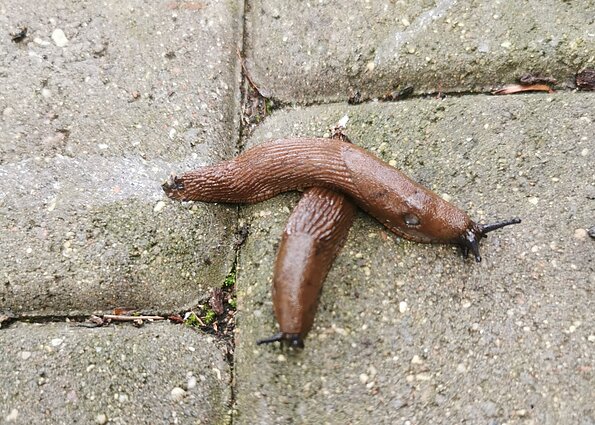
Experts stress the importance of eliminating eggs and juvenile slugs, as a single adult can produce up to 400 eggs.
“Infested areas are everywhere, along water bodies, public spaces, private properties, compost heaps, ditches,” said Roberta Kelertienė, head of Marijampolė’s municipal department.
Next year, municipalities will receive funding to fight slugs, with Marijampolė allocated €14,000, a sum Kelertienė describes as “a drop in the ocean.”
“At the moment, municipalities are left to handle this problem on their own, and residents must also take action. All we can do is inform them to collect slugs and apply pellets,” she said.
For those who prefer not to use chemicals, scientists recommend manually collecting and destroying the slugs.

Newsletter
Every Friday morning.