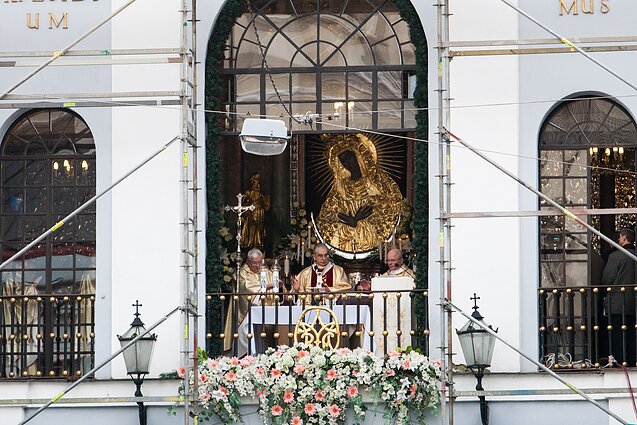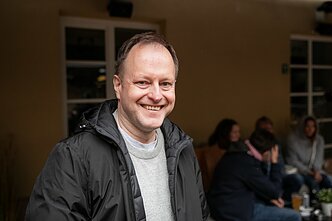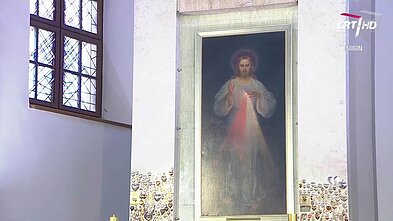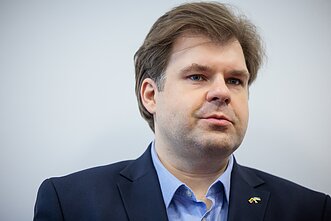






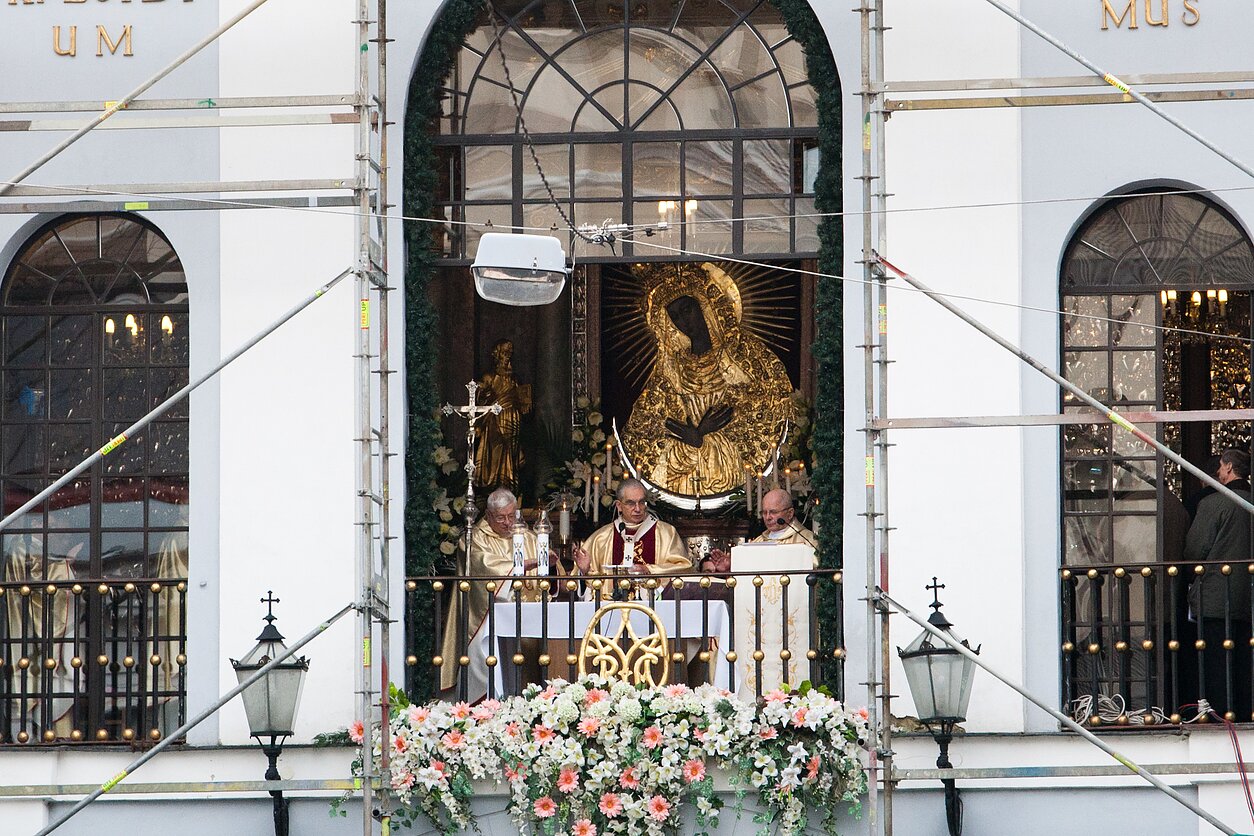
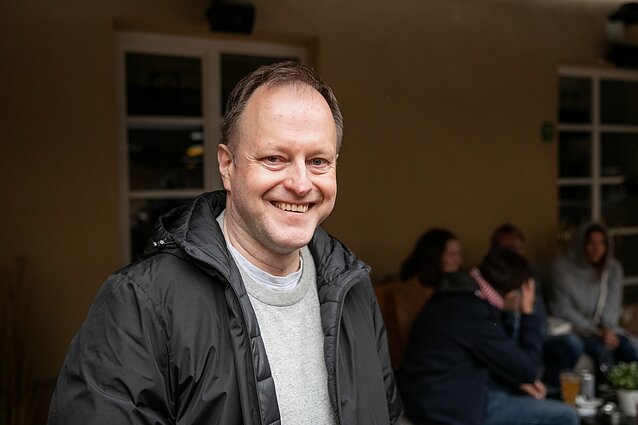
“In one of her books, Kristina Sabaliauskaitė described it perfectly – Vilnius has two world-famous icons: the Virgin Mary of the Gate of Dawn and the Image of Divine Mercy,” says journalist, broadcaster and pilgrim Rimas Šapauskas.
Speaking on LRT Radio, he discussed Lithuania as a destination for pilgrims and shared memories from some of his most remarkable pilgrimages.
Pilgrimage CV
The 53-year-old journalist says he has already visited many pilgrimage sites. His most impressive journeys include trips to Israel and Lourdes in France. He also mentions a trip to Turkey, where he and his wife, still tired from travel, decided to “relax by the sea.”
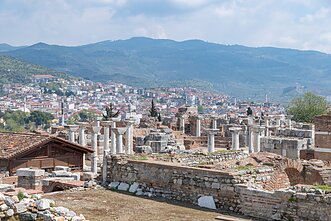
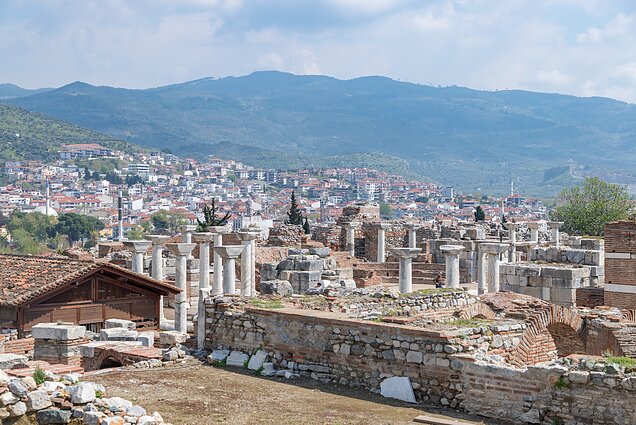
“We chose Turkey thinking we would visit the tomb of the evangelist John near the ancient city of Ephesus. There’s a place called Selçuk, beside it was a Christian basilica once destroyed by an earthquake and later by the Turks. Now there are ruins, but in the centre stand four columns with an inscription marking the tomb of St John,” Šapauskas explains.
According to him, nearby is the site believed to have been the home of the Apostle John and the Virgin Mary, who, according to tradition, lived there at John’s request after the crucifixion.
“That place is steeped in stories and legend. It was discovered through archaeological research, as Greeks used to go there in processions and pilgrimages up the hill to pray. They didn’t know the exact location at first but eventually found a church – actually, a baptistery,” he adds.
A nun, Anne Catherine Emmerich, had described the location in her visions. Based on her accounts, an expedition located the foundations of a small house, which was later reconstructed, explained Šapauskas.
Vilnius is well known among Catholics worldwide
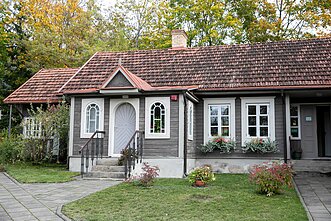
In Catholic countries, Vilnius is a recognised destination. For instance, tourists travel from as far as Brazil to visit the home of mystic nun Faustina Kowalska in Antakalnis.
Šapauskas said that the Catholic Church initially doubted Kowalska’s visions but later investigated them. Her visions inspired Eugene Kazimirovsky' painting of the Image of Divine Mercy, one of the most reproduced works of 20th-century religious art, held at the Shrine of Divine Mercy in Vilius.
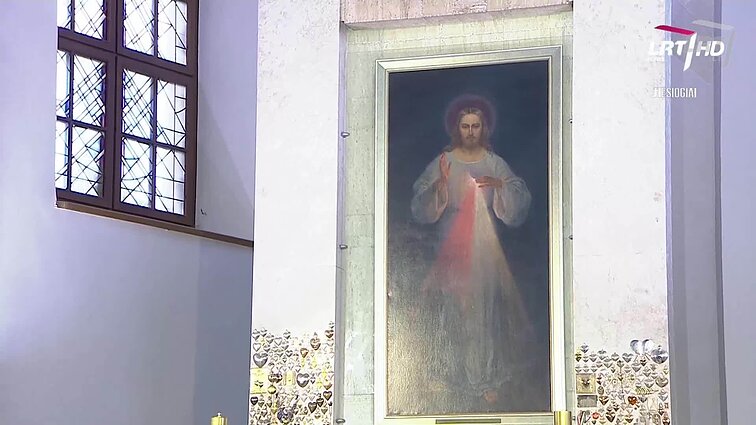
Pope John Paul II read Faustina’s diaries in Polish and recognised their contemporary significance. “He canonised Faustina in 2000, which is when Vilnius became an official pilgrimage site,” Šapauskas explained.
Where should a new pilgrim begin?
Šapauskas highlights Lithuania’s Camino Lituano, the St James Pilgrimage Route.
He also recommends a trip to Vilnius to visit places associated with Faustina.
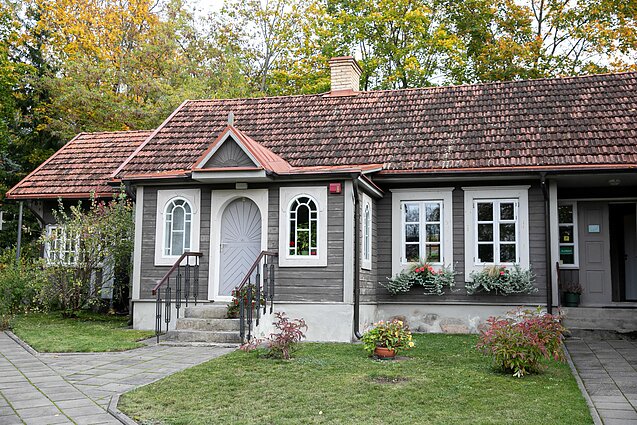
“There are several locations: her house in Antakalnis, the Vilnius Divine Mercy Sanctuary on Dominikonų Street, and Rasų Street, where elderly people were cared for – the hospice, the very place where the Image of Divine Mercy was created. These sites are connected to Faustina Kowalska and Blessed Michał Sopoćko. In Eišiškės, there’s a place where Sopoćko lived. He worked as a carpenter under a false identity to escape the Nazis,” Šapauskas said.
The experienced pilgrim also recommended visiting Šiluva, one of the first Marian apparition sites in Europe.
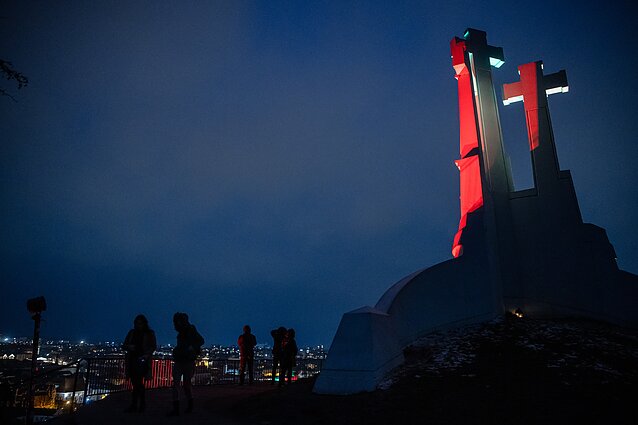
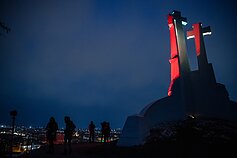
He also highlighted the Hill of Three Crosses, now a favourite with international visitors, and suggested a visit to Žemaičių Kalvarija.

Newsletter
Every Friday morning.