












Lithuania’s effort to block broadcasts from the Russian state-run radio station Sputnik may be short-lived, as the Culture Ministry failed to secure funding needed to continue the interference next year.
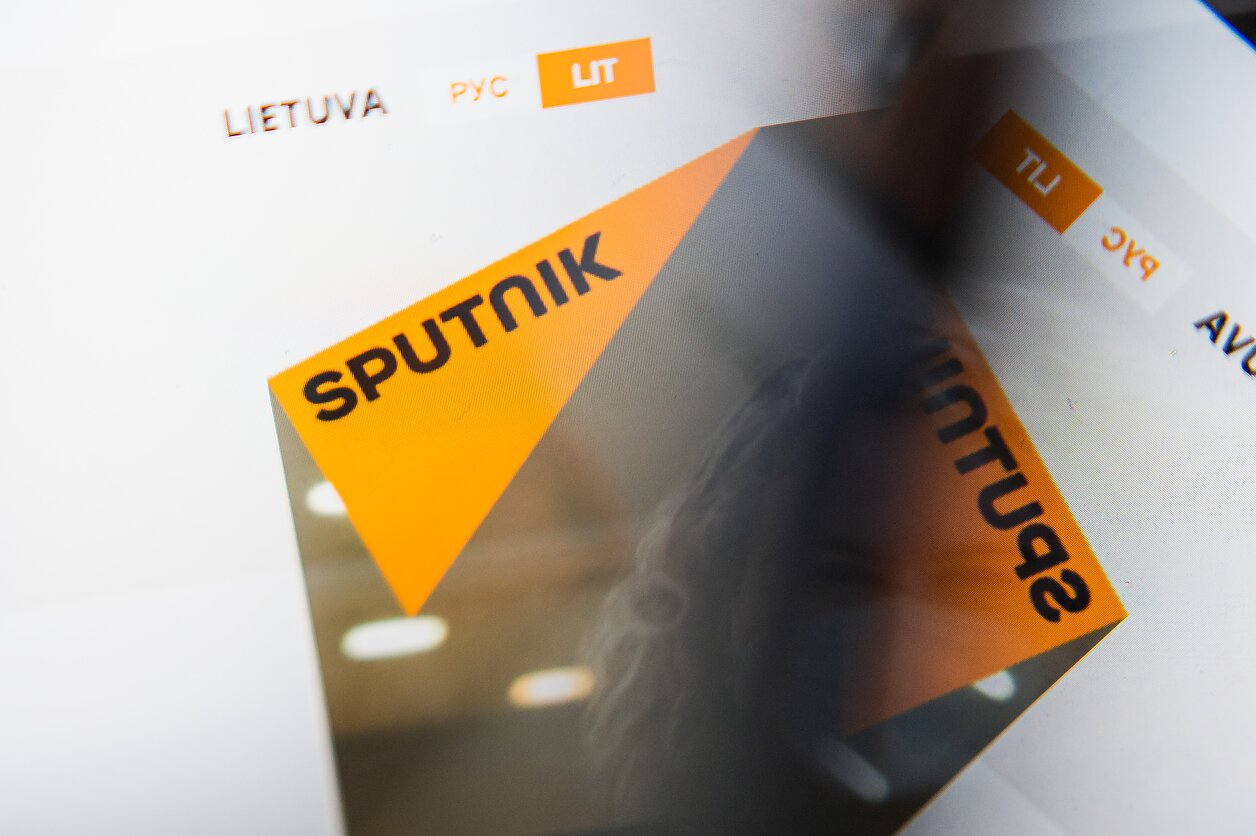
Sputnik, which is coordinated and financed by the Russian government, began reaching listeners along Lithuania’s western coast in the spring of 2024 through transmissions from Russia’s Kaliningrad exclave. The brand operates a global network that tailors its messaging to local audiences. A Sputnik news portal briefly operated in Lithuania before closing, and its content remains accessible through the encrypted messaging app Telegram.
To counter the broadcasts, Lithuania’s state-owned Radio and Television Centre began transmitting “white noise” on the same frequency as the Kaliningrad relay, effectively drowning out the Russian signal.
“In such cases, listeners hear white noise instead of Sputnik,” the Transport Ministry told LRT.lt.
Because the Radio and Television Centre falls under the Transport Ministry, the ministry initially oversaw and funded the jamming effort.
“This circumstance – the company’s subordination to the Transport Ministry – may have been the reason why blocking was first financed through the Transport Ministry,” the ministry said in a written response.
Responsibility later shifted to the Culture Ministry, which signed a contract with the centre to continue the interference using its own budget allocations.
However, the Culture Ministry said it did not receive the €60,000 it requested for next year’s operations, raising the possibility that Sputnik’s broadcasts could resume.
The ministry said it would look for resources to maintain the service.
“To ensure the security of the information space of Lithuania and the European Union, including protecting the public from content produced by EU-sanctioned programmes, the Culture Ministry will look for ways to ensure the provision and funding of this service next year,” it said in a statement.
Under a decision by the former government, the Culture Ministry is expected to take on greater responsibility in countering propaganda, strengthening information resilience and promoting civic education.

Newsletter
Every Friday morning.