















In Soviet-era Lithuania, discos existed but were tightly controlled. By 1986, Egidijus Sipavičius was even celebrating “break” dance moves in song. But as the country approached independence, the music scene shifted dramatically. During the “Singing Revolution”, rock concerts drew thousands, and after independence, emerging subcultures began shaping the cultural landscape – among them, the growing rave scene.
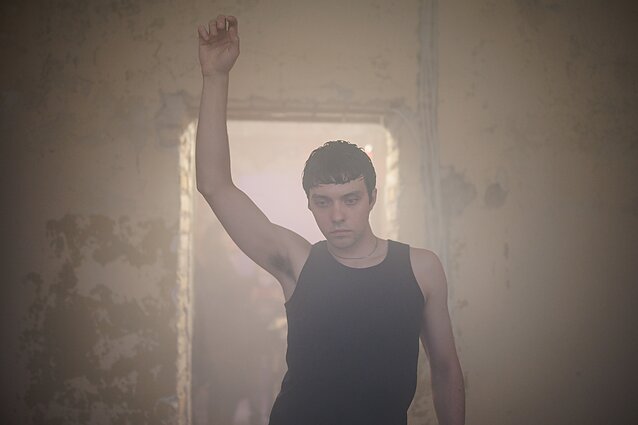
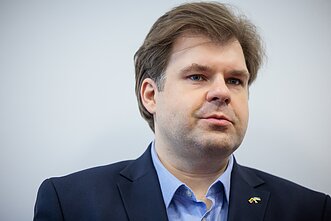
Justė Kostikovaitė, a curator of the National Museum of Lithuania’s exhibition RAVE NATION: Night Rhythms to Freedom, 1992–2004, discussed the origins and evolution of Lithuania’s rave movement on LRT’s podcast Buvo nebėra.
Subcultures begin in kitchens
Before independence, punk and metal subcultures dominated, while the rave movement gained traction around 1991–1992, fuelled by Western music imports and MTV broadcasts.

Symbolically, 1992 is considered the movement’s starting point, marked by Andrius Mamontovas’s Dancebergis, which combined political speeches of the then-Chairman of the Supreme Council with techno beats.
“In Lithuania, it all starts with conversations in people’s apartments at five in the morning,” Kostikovaitė said. “DJ Saga recalled organising a metal event in Klaipėda, where guests spent the night discussing electronic music – later leading him to host a radio show on the subject.”
By 1993–1995, rave clubs began to appear. While some operated legally, underground “illegal” events added mystique. Unlike earlier subcultures, rave culture’s messages of protest were encoded differently – in music and community rather than overt politics. Kostikovaitė highlighted 1994’s Europe Union Express by the group Exem as an example of early European-themed lyrical content.

“Music is about dance, gathering, and forming communities, which itself is a form of ‘body politics’,” she said. “It’s not overtly political, but organising a party independently was a clear assertion: ‘I can.’”
Legal and underground spaces
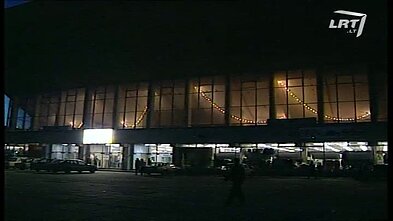
The Vilnius Sports Palace club Eldorado was among the first legally operating venues to shape the scene. House rules excluded underage guests and disruptive behaviour, emphasising decorum and the music itself. Eldorado’s dress code said: no track suits.
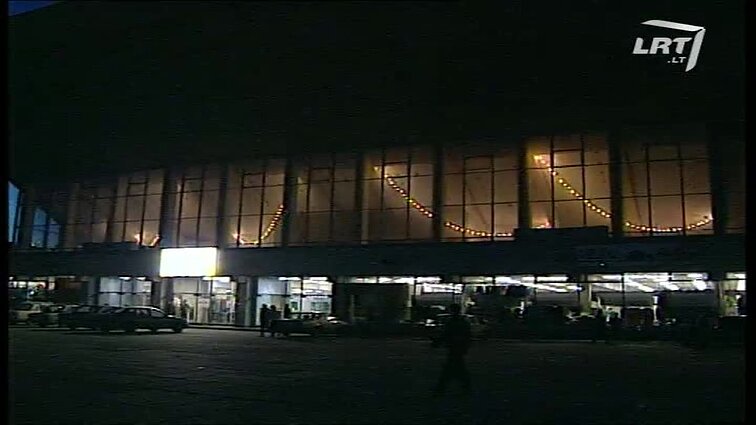
“Two entrepreneurial guys saw an opportunity to create events for informal youth,” Kostikovaitė said. “They catered to young people passionate about rave music, providing a safe space to gather.”
Yet not all participants shared the same dedication. Some attendees sought socialising or display, while “true ravers” were deeply committed to the music itself. The authentic subculture often thrived in semi-secret gatherings, similar to the UK’s mostly illegal raves. In Lithuania, organisers largely sought legal footing, though some events – like the “Rocket Shop” party at a military missile base – operated covertly.
Young participants often faced economic and parental constraints. With few mobile phones, communication relied on pay phones, and attendance required resourcefulness and independence.

Media coverage at the time frequently linked raves to drug use, fuelling moral panics. Kostikovaitė said research indicates drug availability among Lithuanian youth was lower than in Western Europe, despite journalistic alarm.
The internet and commercialisation reshape the scene
By the 2000s, the subculture began shifting. Rave music infiltrated mainstream pop, appearing on radio and television rather than underground clubs.
Kostikovaitė explained that distancing from pop was deliberate, to assert alternative cultural values and create a sense of community.
The rise of music-sharing platforms around 2000 narrowed the gap between Lithuania and Western Europe. New clubs, such as Gravity in 2001, showcased high-quality sound systems and attracted growing crowds.
Electronic dance music remains globally popular, with festivals like Tomorrowland drawing massive audiences. Yet early ravers view commercialisation sceptically.
“There is nostalgia for the past,” Kostikovaitė said. “As Simon Reynolds notes, different temporal cycles overlap. You feel nostalgia for what’s gone, while still experiencing music in the present. The exhibition highlights how innovative and underground the scene once was – an aura that has largely faded today.”

Newsletter
Every Friday morning.