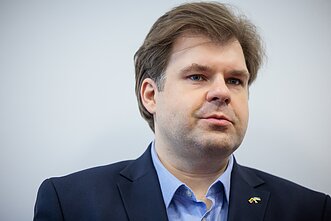


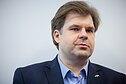


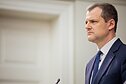

Poland will extend border checks with Germany and Lithuania through August 5, Interior Minister Tomasz Siemoniak announced Wednesday.
“We introduced them for a 30-day period, which is the limit for an initial decision under the Schengen Borders Code,” Siemoniak said, referring to temporary controls reintroduced on July 7.
“They will definitely be extended,” he added.
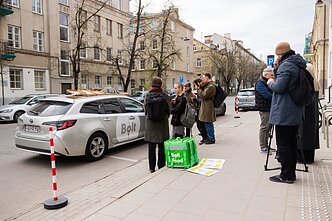
The checks – carried out by border guards with support from police and the Territorial Defence Forces – are a response to growing pressure from irregular migration, according to the minister. Since the controls were reinstated, more than 70 people have been detained.
Speaking to private broadcaster TVN24, Siemoniak described the migration pressure as part of Russia’s hybrid warfare.
“Migrants fly into Moscow with Russian visas, are bussed to the Polish border, and receive instructions from Belarusian services on what to do,” he said. “They attempt to force their way into Poland. This is the use of people as a weapon.”
Siemoniak said Polish authorities “must use all available tools” to counter the threat.
Prime Minister Donald Tusk announced Wednesday that Siemoniak, who is stepping down from his current post, will become the minister responsible for coordinating special services and combating irregular migration.
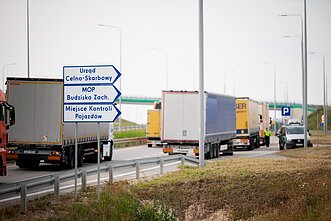
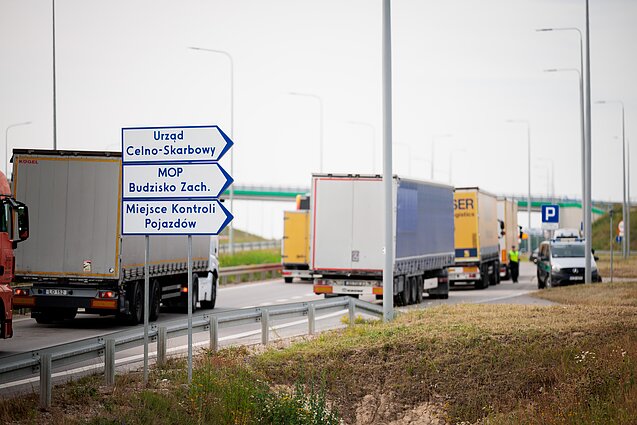
Poland reinstated border controls with Lithuania on July 7, with vehicle inspections carried out selectively at 13 designated checkpoints.
Additional controls remain in place at three Lithuania–Poland border points: Budzisko–Kalvarija, Lazdijai–Ogrodniki road, and the Mockava–Trakiszki railway station.
Last Friday, Lithuania’s Border Guard Service (VSAT) reported traffic building up at the Budzisko-Kalvarija point. Previously, border checks had not led to jams.
Under the Schengen Borders Code, border controls may be extended if necessary in increments of up to 30 days, with a total maximum duration of six months.