











As more countries explore the potential of small modular reactors (SMRs), Lithuania, too, is re-evaluating its nuclear policy. Advocates within the nuclear sector claim that the deployment of several units could deliver genuine energy independence. But environmental groups remain unconvinced, stressing that it is unclear whether SMRs can deliver the much-touted promise of safer and cheaper electricity.
The second unit of the Ignalina Nuclear Power Plant was shut down, just an hour before the start of 2010.
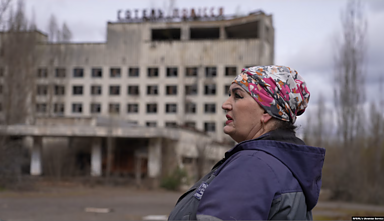
After 25 years of operation, the plant was shut down – fulfilling a key condition of Lithuania’s accession to the European Union. Western countries had long viewed the Soviet-designed reactors as unsafe. At the time, Ignalina’s long-serving director, Viktoras Ševaldinas, remarked simply, “A pity.”
“The situation is, of course, unique – a country that generated such a significant share of its energy from nuclear power completely abandoning nuclear energy. This is an unprecedented case,” said Ševaldinas.
That night, Lithuania transitioned from an energy exporter to an importer. Electricity prices rose immediately.
Ignalina had supplied around 80 percent of Lithuania’s electricity. Today, the country generates a comparable amount - or more - from wind and solar.
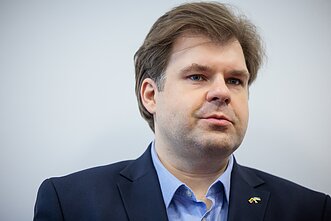
“We can decarbonise our energy sector and generate sufficient electricity quite successfully using solar, wind, and also by deploying storage systems,” said Energy Minister Žygimantas Vaičiūnas.
“However, not every part of the industrial sector will be able to eliminate CO₂ emissions by 2050,” he added.

A government working group has now been tasked with assessing the feasibility of a return to nuclear power.
“To assess the benefits, costs and all other factors related to these reactors,” explained Minister Vaičiūnas.
Osvaldas Čiukšys, head of the Nuclear Energy Association, believes nuclear must be part of the future mix. “Many countries regard nuclear energy as a way to complement renewables like solar and wind – a stable element in the energy mix that ensures good prices for industry and residents,” he said.
The proposed reactors would be small, so-called fourth-generation units. They are safer than any previous designs, according to Artūras Plukis, senior research fellow at the Centre for Physical Sciences and Technology.
“This new technology has been specifically designed to reduce the likelihood of accidents and, secondly, in the event of an accident, to ensure that consequences, particularly for the environment and population, are either nil or minimal,” he explained.
The reactors could also use spent nuclear fuel from Ignalina, reducing the burden of radioactive waste.

Small reactors typically produce up to 300 megawatts of electricity – roughly a quarter of the output of a single reactor at the nearby Astravets plant in Belarus. Like prefabricated homes, modular units are built in factories and transported to their intended sites. Several can be installed together to scale capacity.
But critics say the concept is being overhyped – and warn that key details remain unclear.
“There isn’t a single operational unit in any advanced Western country,” says Domantas Tracevičius, head of Circular Economy, a Lithuania-based organisation advocating for renewable energy. “There are only plans and pilot projects that might – after five or ten years – possibly become reality. And I’m referring to a single operational pilot, not mass production.”

Prototype models are under construction in China. Canada has plans to deploy them, Poland has already selected suitable sites, and Estonia is also considering the option.
According to Čiukšys, each reactor could cost up to €1 billion. Lithuania would require several to meet its energy goals.
“At least three or four locations could be considered—Vilnius, Kaunas, Klaipėda, and, most likely, Visaginas,” he says.
Visaginas is a town built to serve and house workers of the Ignalina Nuclear Power Plant. To this day, it retains infrastructure and expertise related to nuclear energy.
NGOs point out that in the 2012 referendum on building a new nuclear plant, 62 percent of the population voted against. They argue there would be resistance again today, with the public still deeply shaken by the Chernobyl and Fukushima disasters.
“Modular reactors remain a fairly distant prospect,” concluded Minister Vaičiūnas.
It was previously announced that Lithuania would decide on SMRs by 2028, but the energy minister now says that timeline will be pushed back. Negotiations are ongoing with partners in Italy and the United States.

Newsletter
Every Friday morning.