













A new international exhibition, “Queens, Realms, and Emotions”, opens Wednesday at the House of Histories, a division of the National Museum of Lithuania. The exhibit explores the lives of two influential women of the 16th century, Barbora Radvilaitė and Catherine Jagiellon, who rose to become queens of Poland-Lithuania and Sweden, respectively.
Under the patronage of former Lithuanian President Dalia Grybauskaitė, the exhibit marks the first time that original artefacts linked to these historical figures will be displayed in Lithuania, with pieces on loan from museums in Hungary, Sweden, and Poland.
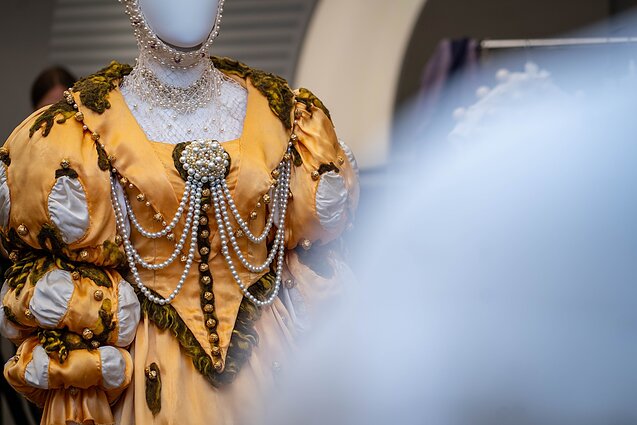
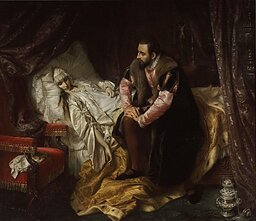
The show weaves together historical narrative, contemporary art and design to present a personal and emotional lens on the lives of the two queens. Through their intimate experiences, political decisions and cultural legacies, the exhibit examines the role of women in history – often omitted or overshadowed in traditional accounts.
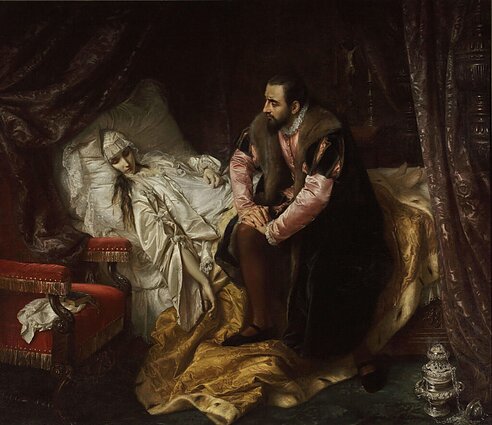
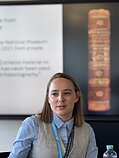
“For centuries, history has been written by men and seen through their eyes,” said Julija Janus, the concept author and one of the curators. “Barbora and Catherine are proof that women have always been part of history – creating, feeling, risking and changing the world, even if their names weren’t always on the front pages.”
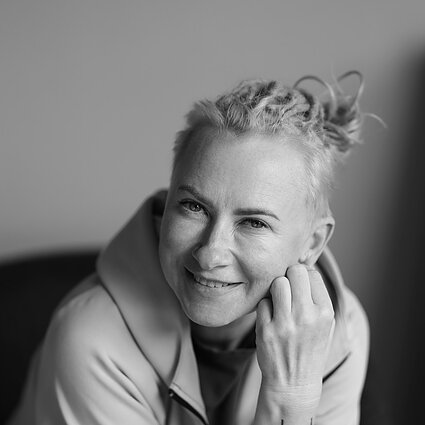
The exhibition is a collaboration with the Uppsala Castle Art Museum in Sweden and will later travel there, in homage to Catherine Jagiellon.
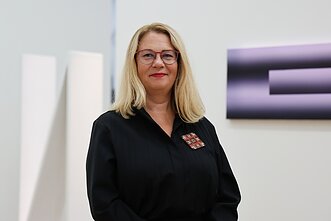
Exhibit curator and historian Dr Milda Kvizikevičiūtė said the goal is to connect with modern audiences: “We want to inspire visitors to see history as a living, relevant phenomenon – where emotions, values and personal decisions are just as significant as political events.”
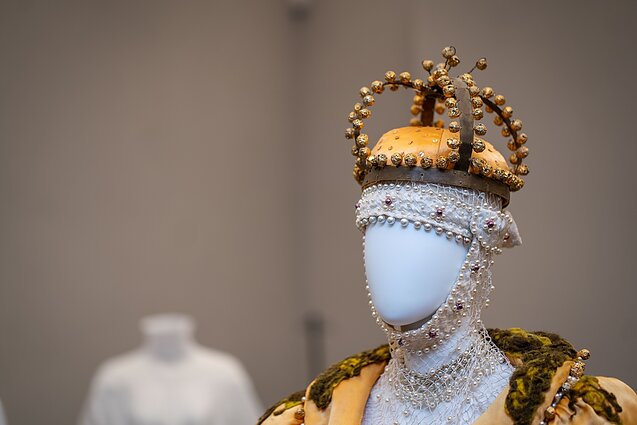
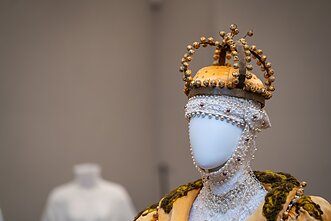
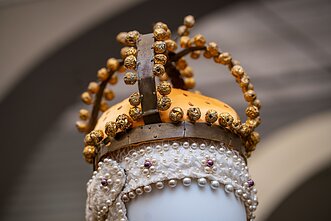
Notable highlights include a 16th-century painting of the Battle of Orsha from Warsaw’s National Museum – featuring Barbora’s father, Jerzy Radziwiłł – and intricately crafted jewellery attributed to Catherine’s sister, Isabella Jagiellon. Visitors will also see a replica of Catherine’s wedding crown and one of Barbora’s posthumous insignias recently discovered in Vilnius Cathedral.
“As in the past, a person still experiences youth, maturity, searches for meaning, faces loss,” says art historian Dr Vaida Ragėnaitė, a co-curator of the exhibit. “These universal experiences bring us closer to the heroines of the past, allowing us to experience their stories not as a distant past, but as a living, close experience.”
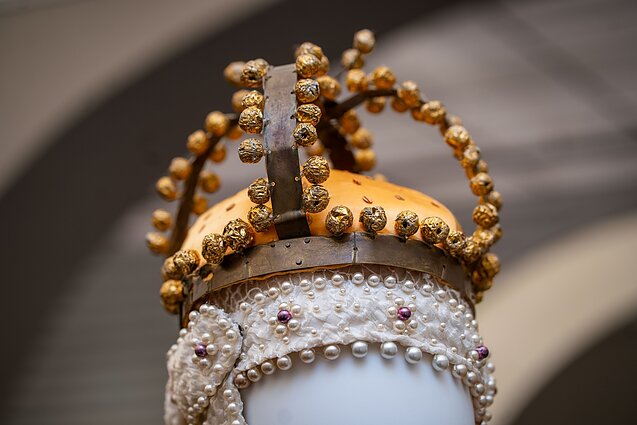
Alongside historical objects, the exhibition showcases interpretations from contemporary Lithuanian artists and designers, including Juozas Statkevičius and Agnė Kuzmickaitė, blending past and present in powerful visual dialogue.
The exhibition runs through January 4, 2026.

Newsletter
Every Friday morning.