












A proposal for Lithuania to withdraw from the Ottawa Convention banning anti-personnel landmines passed the second reading in the parliament on Tuesday and is expected to go up for a final vote on Thursday.
Ninety-eight MPs voted in favour, with only one vote against, from Valius Ąžuolas of the Lithuanian Farmers and Greens Union (LVŽS). Three Nemunas Dawn MPs – Petras Dargis, Tomas Domarkas and Aidas Gedvilas – abstained.
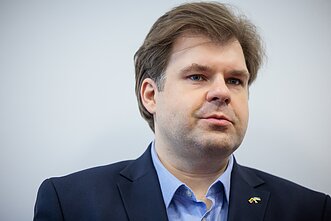
Arvydas Pocius, a member of the parliamentary Committee on National Security and Defence and former head of the armed forces, urged colleagues to support the move, citing the current geopolitical climate.
"Russia and Belarus have shocked the world with their aggression, and I believe we should have no doubt that all planned fortifications for our national defence will rely on anti-personnel mines," he told the parliament.
In March, the defence ministers of Lithuania, Latvia, Estonia, and Poland issued a joint statement calling on their countries to pull out of the treaty. They were later joined by Finland.
In late April, the Estonian government approved a proposal to withdraw from the convention, while the Latvian president signed into law a bill on the country's exit from the treaty.
Leaving the convention would allow Lithuania to acquire, produce, stockpile, use, and transfer anti-personnel mines.

The International Committee of the Red Cross has called the decisions announced by the five countries "a dangerous setback for the protection of civilians in armed conflict".
According to the Lithuanian Defence Ministry, which initiated the withdrawal, the security situation in the region has significantly worsened since the country ratified the treaty in 2003.
The ministry says the use of anti-personnel mines would enhance the Lithuanian Armed Forces' ability to restrict enemy movement, particularly at critical and hard-to-access points on the battlefield.
Both military officials and politicians responsible for defence have said that the use of mines would act as a deterrent, and that withdrawing from the convention would enable the training of troops.
The Defence Ministry also says that even after leaving the Ottawa Convention, Lithuania would continue to honour its international humanitarian law obligations under other international treaties, as well as universally recognised international customs concerning the means and methods of warfare.
Lithuania's exit from the convention would only take effect six months after it submits its withdrawal documents to the United Nations secretary-general.
All European Union member states are currently parties to the Ottawa Convention, while China, Russia, the United States, India, and Pakistan are not.

Newsletter
Every Friday morning.