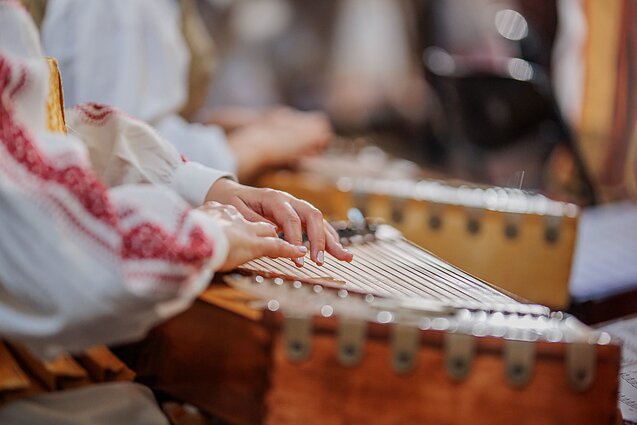













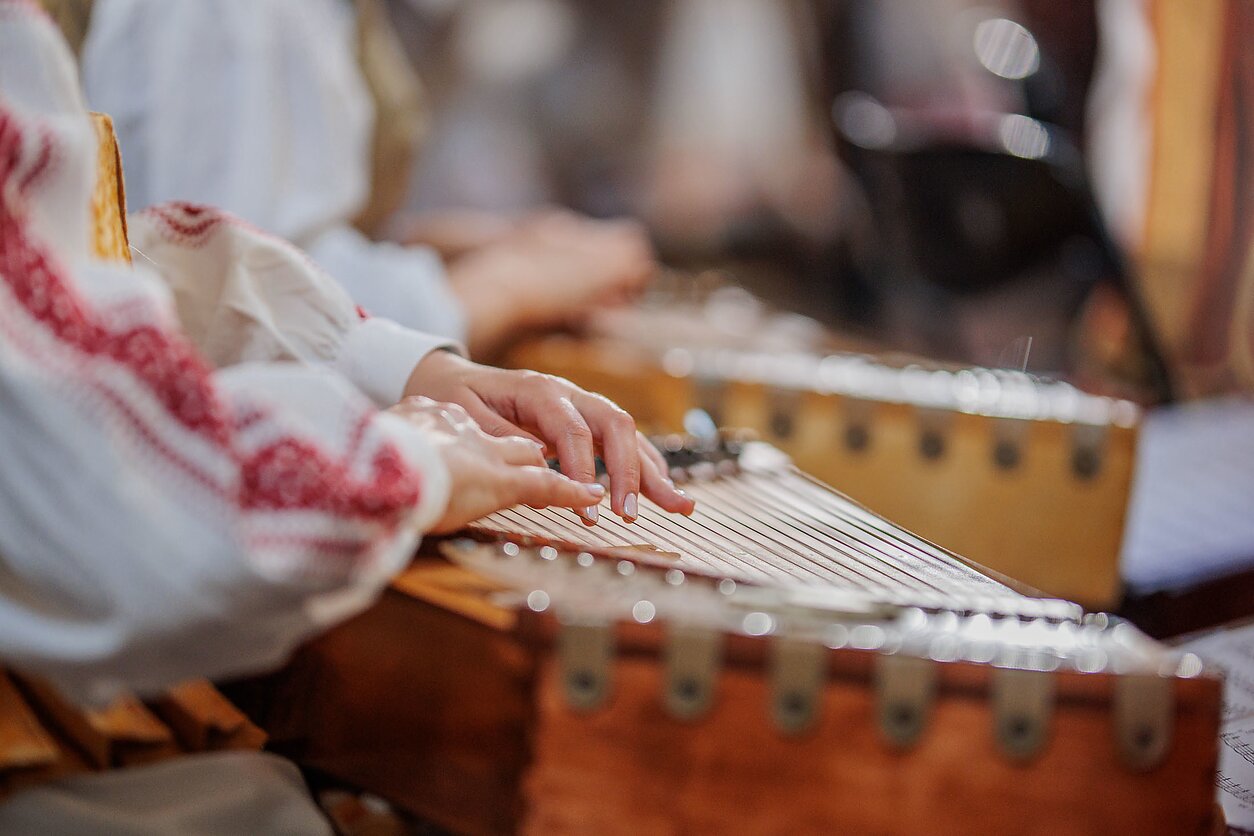
Lithuanians think of themselves as a singing nation, drawing inspiration from its centuries-long tradition of folk songs.
However, it has been only two centuries since that tradition is documented. The first collection of folk songs was published only in 1825.
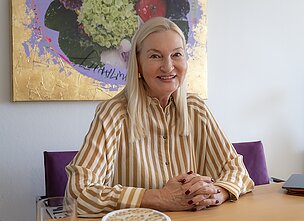
“It was by Liudvikas Rėza, a collection of 85 songs in Lithuanian and German, seven melodies published, and most importantly, they were accompanied by a study which was called the Lithuanian Folk Song Study. You could say it was the beginning of folklore research,” says Dalia Urbonavičienė, chair of the Council for the Protection of Ethnic Culture.
The publication spread across Europe and stimulated the publication of folk song collections that were so popular in the 19th century.
“Lithuanians became known as a very musical people,” Urbanavičienė says. “There were stories that they sing all day: while going to work, to dances, while working.”
Lithuanians were singing when they were happy and when times were tough. A significant subgenre of modern folk singing consists of songs from the anti-Soviet underground resistance of 1944–1952.
“Our partisans realised that [songs] have great power. They themselves wrote songs about what was going on, about the sadness of having to defend their homeland and perhaps die. And those songs spread instantly in the countryside,” says Urbanavičienė.
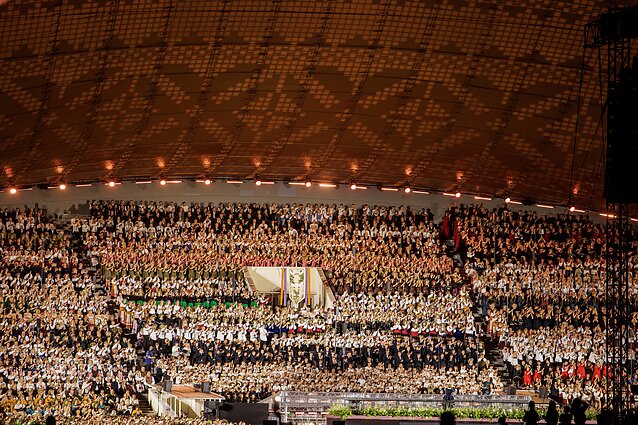
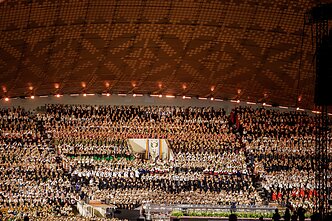
Lithuania has thus designated 2025 as the Year of Lithuanian Folk Songs. The inaugural event, the concert Padainuosim Mes Sustoję, was held last weekend.
“The year has already started with singing, concerts and events that invite the public to sing together, learn songs and bring the good news to their homes, families and small communities,” says Loreta Sungailienė, specialist at the National Culture Centre.
More than six hundred different initiatives are planned. They will take place across the country and in Lithuanian communities abroad.
Lithuania also boasts rich archives of folk songs, and the Archive of Lithuanian Folklore, founded in 1935, celebrates its 90th anniversary this year.

Newsletter
Every Friday morning.