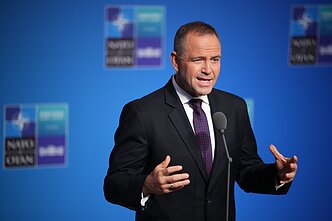















Lithuania’s incoming healthcare minister, Aurimas Pečkauskas, says he will not launch any new reforms, since his term may only last months. He does want, however, to strengthen cooperation with medical workers’ unions. His predecessor, dismissed upon the president’s insistence, believes his firing was purely for political show.
What to do when you are in pain, asks 78-year-old Gabija from Vilnius. She has been waiting three months for a rehabilitation specialist visit, she says. Doctors help her find facilities where she can get services faster, but this is not always possible.
“They booked me a visit last month, when I was very unwell, for the end of October,” she says.
Long queues to see a specialist doctor are a pressing problem in Lithuania’s healthcare system.
“Clearly, that’s not good, I can get unwell and die, I’m almost 80 years old,” complains Gabija.
New minister has few ambitions
Systemic problems in the healthcare system are among the reasons why the president insisted on replacing the minister of health, even though the current government only has several months left until its term ends.
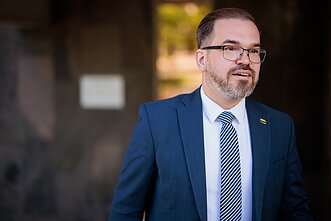
Aurimas Pečkauskas, who is replacing Arūnas Dulkys in the post, is not promising to launch any new reforms, though, only to continue the changes started by his predecessor – especially since his tenure may be shorter than waiting times for some doctors.

“As we are currently in the phase of a few months of work before the new elections, it wouldn’t really be appropriate to start any major new strategic work, it would simply be a waste of time,” says Pečkauskas.
His priorities include fostering cooperation with the medical community, helping local governments and medical institutions implement the health care reforms that have already been launched, planning next year’s healthcare budget and presenting it to the autumn session of the parliament, Seimas.
Dulkys, the outgoing minister, said that the changes he initiated were revolutionary – and that his dismissal was “revolution eating its children”.
He also said he believed his dismissal was purely for show ahead of October’s general elections: “We have come to the electoral tango, and there’s two to tango. It is important that all the dancers agree, so I accept the prime minister’s decisions,” he said, even shedding a tear during his farewell press conference.

Human resources and chaotic reforms
But there have been real problems in how the healthcare system has been run, says MP Antanas Matulas, chair of the parliamentary Health Committee.
“[Dulkys’] political team had disintegrated, there was essentially one or two deputy ministers working with narrow policy areas,” he says. “Some decisions were late.”
Medical workers’ unions say one of the major problems in the healthcare system is human resources, which leads to long queues at medical institutions.
“It takes 10 to 12 years to train a doctor, about six years to train a nurse, and attracting new people to nursing is not working,” says Auristida Gerliakienė, chairwoman of the Medical Movement.
Others say that the multiplication of rule changes in itself has been a problem.
“Price lists for medications [covered by the government], when they keep changing every six months, and there are new amendments every month, we struggle to stay on top of everything,” says Jurga Dūdienė, a family doctor and member of the Family Doctors Union.
Dulkys, the former minister, has often been criticised by the president and his office over the implementation of healthcare reforms.

Newsletter
Every Friday morning.