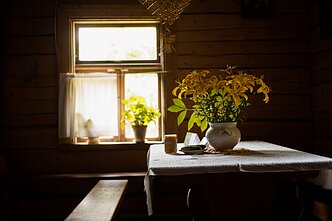










Tired of city stress, increasingly many families in Lithuania are buying old secluded farmhouses and reviving them for a second life – sometimes as a summer escape, sometimes as their primary residence amid forests and farm animals.
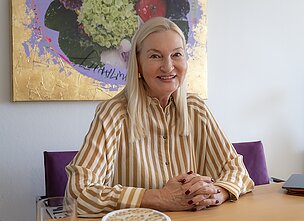
Ingrida Linpnickienė from Panevėžys used to think of herself as a city kid, but today she can no longer imagine life not in the countryside. She and her family bought a homestead that is more than a hundred years old and transformed it radically to adapt it to their needs. She says the family did everything themselves, which helped them grow closer and spend more time together.
“I don’t feel stressed anymore and now I think about how to make quality time, not how to make more money. We are of a generation that, you can say, lived in deprivation and always tried to work hard, forgetting everything around us. When I moved here, I learnt to take time for recreation. Work is no longer the most important thing, it’s quality time with my family, which was something that was missing in the chaos of the city,” Linpnickienė tells LRT TV.
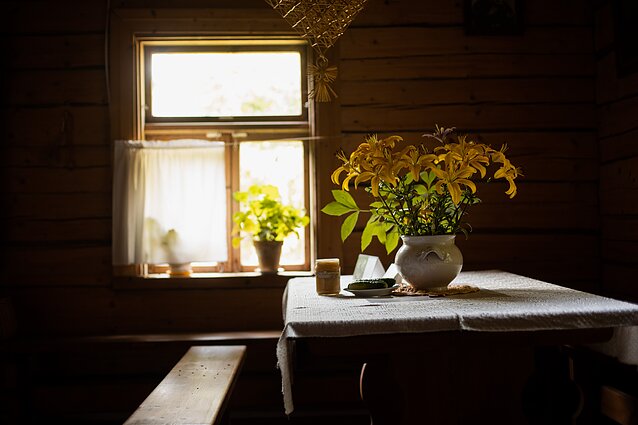
The entire family contributed to the renovation of the century-old farmhouse. Ingrida’s husband and father-in-law undertook all the main construction work. She taught herself to plaster walls and, with a trowel, covered the entire house with clay.
Outbuildings and the woodshed have remained more “authentic”, however. Ingrida, who had nothing to do with farming until now, keeps rabbits and chickens.
“Those who had to work at a farm as children remember it with horror as adults, and I often hear it described as ‘childhood trauma’. It reminds them of hard work. Since I did not have such an experience, I am learning these things now and I am doing it as a conscious, adult, mature person, and it gives me joy,” says Lipnickienė.

The Klimovičiai family purchased a centennial farm in the District of Rokiškis. After renovating it – trying to preserve as much authenticity as possible – they decided to allow individual holidaymakers to stay there. They can use it free of charge, but they have to tidy up the garden.
“At first, we were looking for a homestead for ourselves. We bought an old, derelict one in the middle of the woods with no communication, which was what we wanted. But when we started cleaning it up, we realised that we couldn’t do it alone and that it needed constant maintenance. So we came up with the idea to make it work,” says Arnoldas Klimovičius.
“It’s really good to know that our little house will be useful to someone and that it will not be doomed to ruin like so many of the old homesteads in Lithuania,” adds Arnoldas’ wife Greta Klimovičienė.
Vilanda Reikalienė of the Panevėžys development agency Panevėžys NOW says that centuries-old farmhouses are now going through a renaissance.

“Escaping to nature, returning to the countryside is like a new fashion. And especially for people travelling with children. They don’t have their grandmothers they can visit in villages anymore, so homesteads are becoming an alternative. Parents want to show their children the countryside, to introduce them to domestic animals, because, as we know, many children don’t even know how a cow looks anymore,” says Reikalienė.
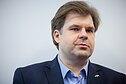
According to Justinas Samas, head of brokers at the real estate agency 1partner.lt, the demand for rural homesteads remains high, although sales can be slow due to high prices – owners demand lofty prices even for old abandoned houses.
“Everyone thinks that their property is the best and most valuable, everyone has their sentiments and sometimes those sentiments overshadow the real value. This gives rise to a disagreement and some properties don’t get sold because the price is too high,” says Samas.
Around half a dozen such homesteads are sold a year. Prices range from 500 euros to half a million or more. According to the property listings website Aruodas.lt, prices for farmhouses are currently lower than they were during the big buying boom during the pandemic.

Newsletter
Every Friday morning.