




When you think of Iraq, the first images to pop into your head are of war and enduring conflict. But what if that was only one side of the coin?
The country is now seeing the emergence of high-tech centres, startup incubators, and a new, digital sector. Much of it is fuelled by former emigres and youths keen to shift Iraq away from oil and unstable public sector dominance. This is also an opportunity to counter brain drain and irregular migration, according to Iraqi officials and experts.
Take a look at the transformation unfolding in Iraq and the country’s autonomous Kurdistan Region.
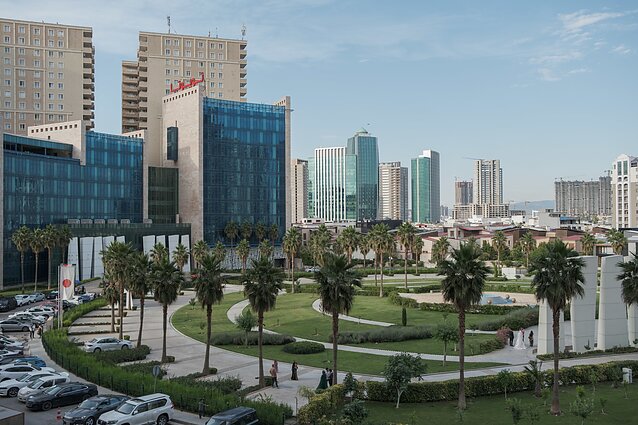
Erbil, the capital of Iraqi Kurdistan, has seen rapid development in recent years, including the construction of lavish shopping centres and skyscrapers, as well as private parks. Here, newlyweds take pictures in one of them, while their families wait outside the gates. | B. Gerdžiūnas/LRT
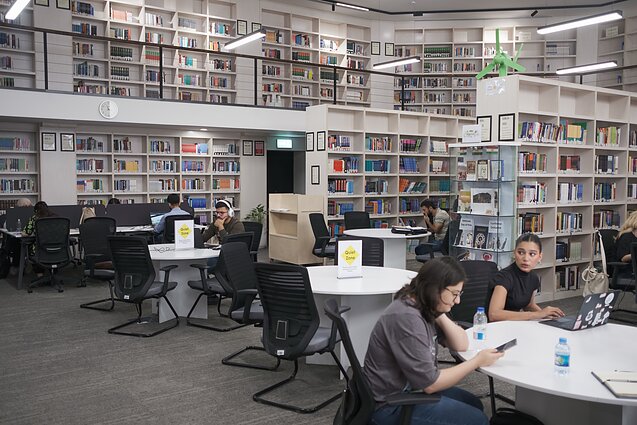
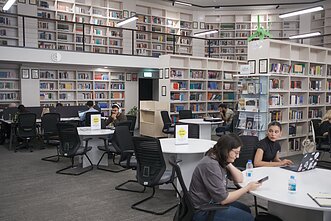
Inside the library of a private university in Erbil, University of Kurdistan Hewlêr. “People in Lithuania probably think we only have bombings,” said Polla Fattah, a professor. | B. Gerdžiūnas/LRT
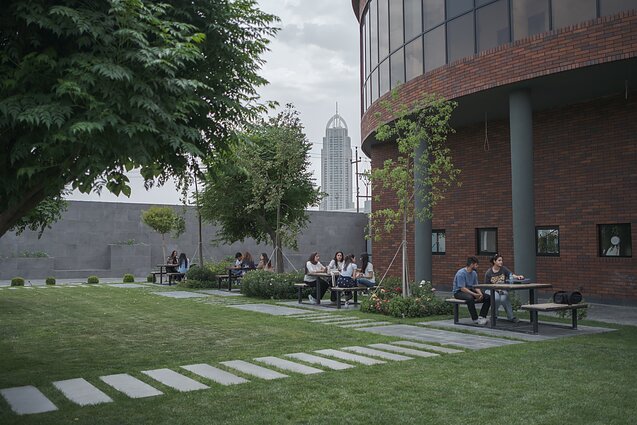
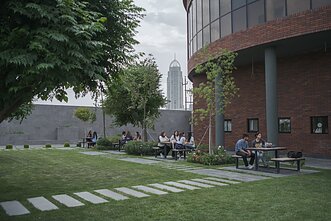
The campus of the University of Kurdistan Hewlêr. “People in Europe don’t know anything about Iraq and think of wars and instability,” said Tarik Rashid, acting dean of Computer Science at the University of Kurdistan Hewlêr. “But Kurdistan is a completely different world altogether.” | B. Gerdžiūnas/LRT
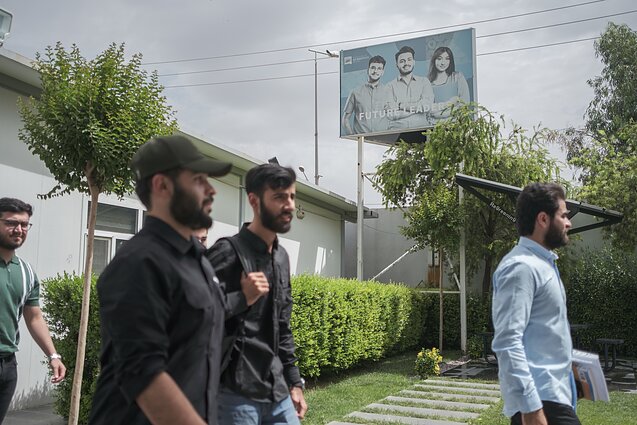
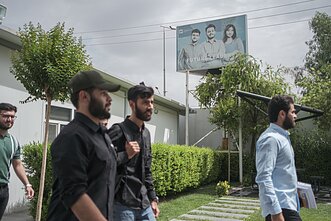
University students walk past a faded billboard, “Future leaders”. | B. Gerdžiūnas/LRT
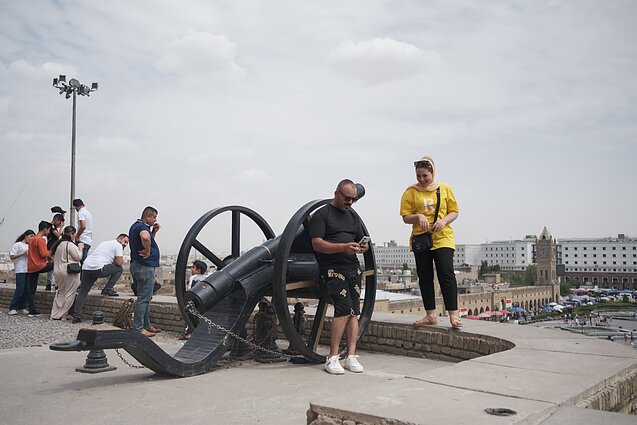
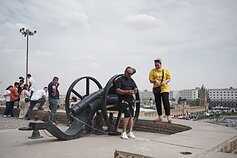
People take pictures at the Erbil Citadel. Settled over 6,000 years ago, it is one of the longest continuously inhabited places on earth. | B. Gerdžiūnas/LRT
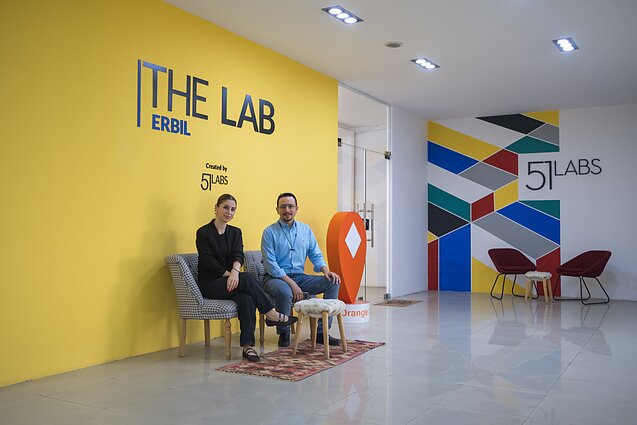
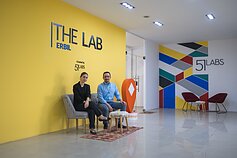
Savo Bakhtiar Rasoul and Shwan Ali Qaradaghi are some of the people behind Five One Labs, an Erbil-based startup incubator. | B. Gerdžiūnas/LRT
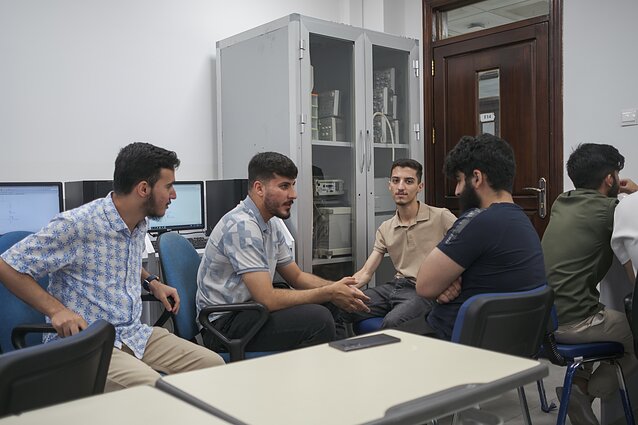
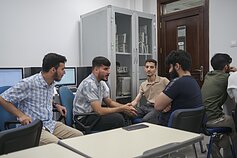
IT students at the Polytechnic University of Sulaymaniyah. As part of the cooperation between Iraq and Lithuania following the 2021 migration crisis, the university’s data science curriculum will be assisted by Lithuanian academics. The goal of the bilateral projects is to “encourage potential migrants to stay in their country”, the Lithuanian Foreign Ministry said. The role of Vilnius in Iraq increased following the 2021 migration crisis when thousands of mostly Iraqi Kurds travelled to Belarus before making their way into Lithuania. | B. Gerdžiūnas/LRT
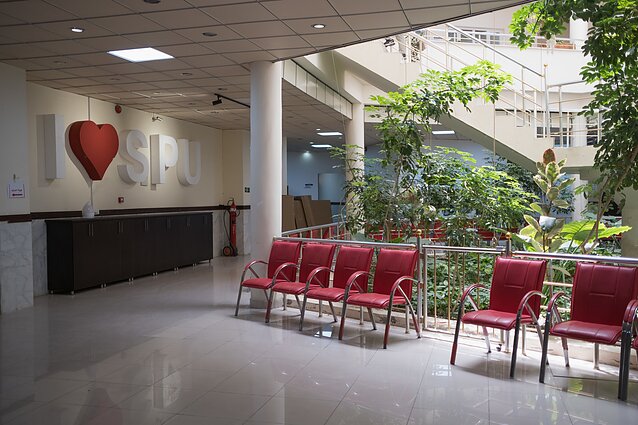
Polytechnic University of Sulaymaniyah. In 2017, Kurdistan held an independence referendum, which the federal Iraqi government did not recognise. Baghdad then crushed the independence drive by imposing controls on the region’s borders and seizing several areas claimed by the Kurdish authorities. | B. Gerdžiūnas/LRT
![Inside the Five One Labs offices. “International investors don't trust Iraq while local businesses don’t trust the local [IT] products,” said Zana Ahmed, founder of Enlightors, a local marketing and PR startup. “I told [officials]: I know you guys love construction and oil, but [the digital sector] is really the future.”](/img/2024/06/05/1789833-430595-756x425.jpg "Inside the Five One Labs offices. “International investors don't trust Iraq while local businesses don’t trust the local [IT] products,” said Zana Ahmed, founder of Enlightors, a local marketing and PR startup. “I told [officials]: I know you guys love construction and oil, but [the digital sector] is really the future.”")
Inside the Five One Labs offices. “International investors don't trust Iraq while local businesses don’t trust the local [IT] products,” said Zana Ahmed, founder of Enlightors, a local marketing and PR startup. “I told [officials]: I know you guys love construction and oil, but [the digital sector] is really the future.” | B. Gerdžiūnas/LRT
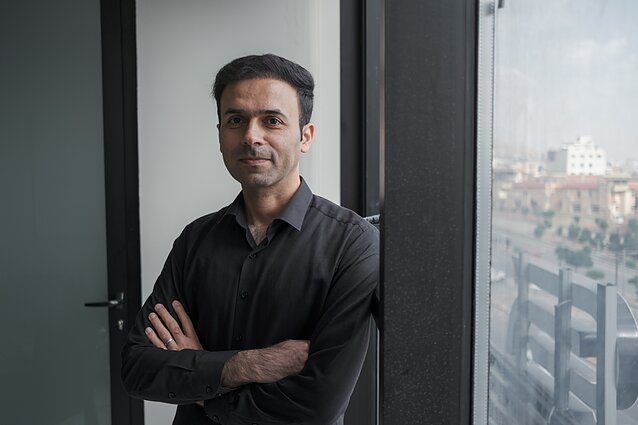
Some of those involved in the country’s digital emergence are former migrants who studied and worked abroad before coming home to help build the country’s future. One of them is Salar Rahim, a supervisor at Stacksolvers. “We think in the next five years it will become much better in Iraq and Kurdistan – it’s about experiencing what the region has to offer and building trust.” | B. Gerdžiūnas/LRT
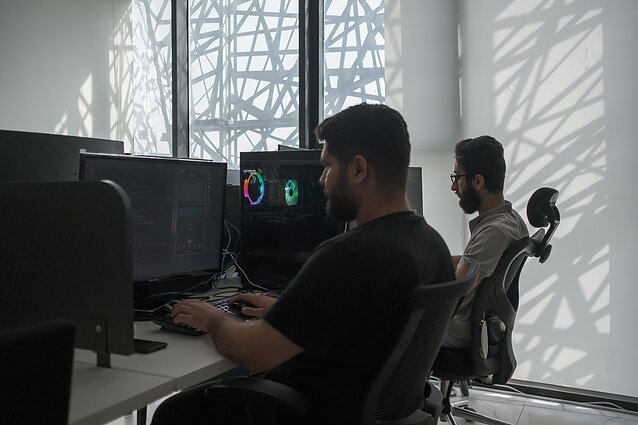
Young IT employees at Stacksolvers. “Many job applications exclude Iraqi nationals because of banking restrictions,” said one of them. Recently, Iraq’s Central Bank heeded requests from the US to crack down on local banks that are accused of helping Iran-linked groups launder money, as well as being involved in sanction evasion and terror group financing. | B. Gerdžiūnas/LRT
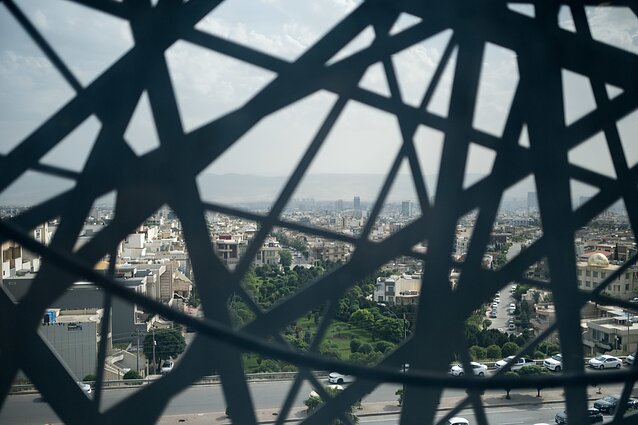
View of Sulaymaniyah, the second-largest city in the Kurdistan Region of Iraq. Despite the ongoing political dispute with Baghdad, KRI has its own security forces and maintains quasi-independent foreign relations and internal policies. | B. Gerdžiūnas/LRT
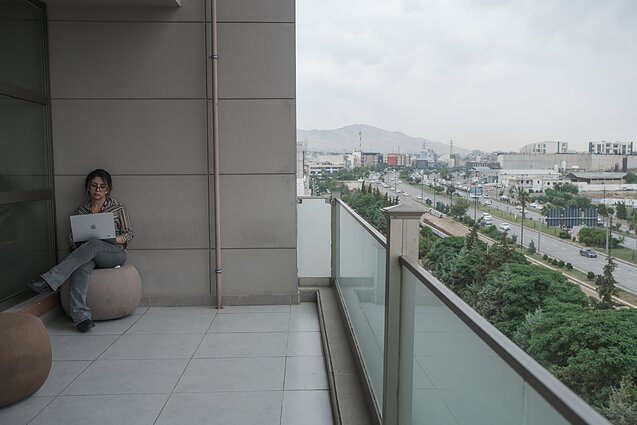
An employee at the iQ Group offices in Sulaymaniyah. “I believe if we can train them, get them the right skill, then we will have fewer people leaving the country,” said Nawzad Al-Salihi, head of digital transformation at the company. | B. Gerdžiūnas/LRT
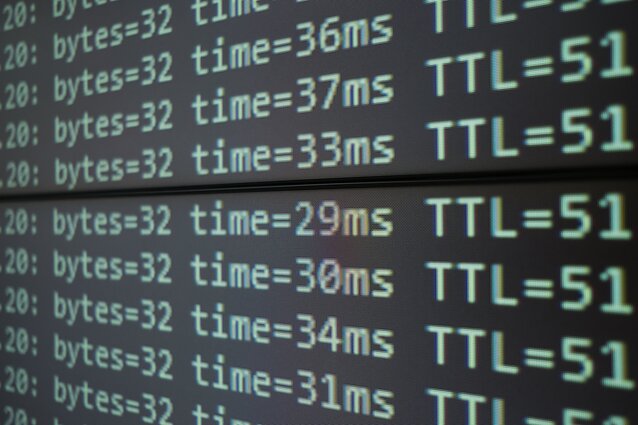
According to the iQ Group reps, Iraq is vying to become an alternative route to the data superhighways stretching along the Suez Canal in Egypt. | B. Gerdžiūnas/LRT
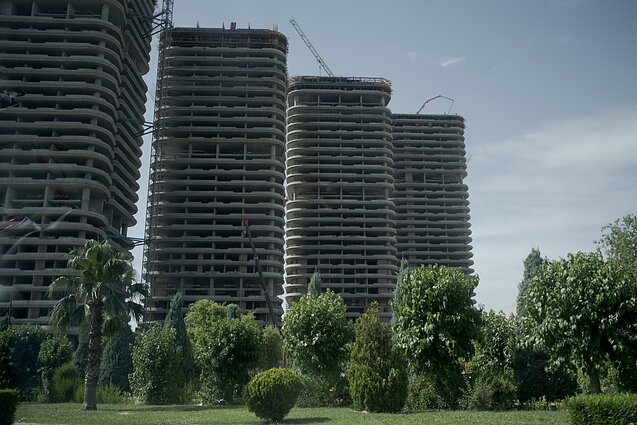
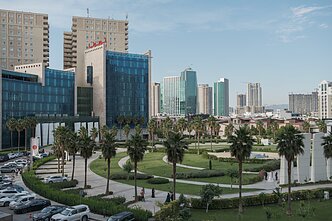
Rows of highrises in Erbil are separated by parks, with the city’s wide avenues dotted with European-styled restaurants, luxury hotels, cafes and bars. The autonomous Kurdistan Region of Iraq is now aspiring to rival Dubai and other regional powerhouses. | B. Gerdžiūnas/LRT

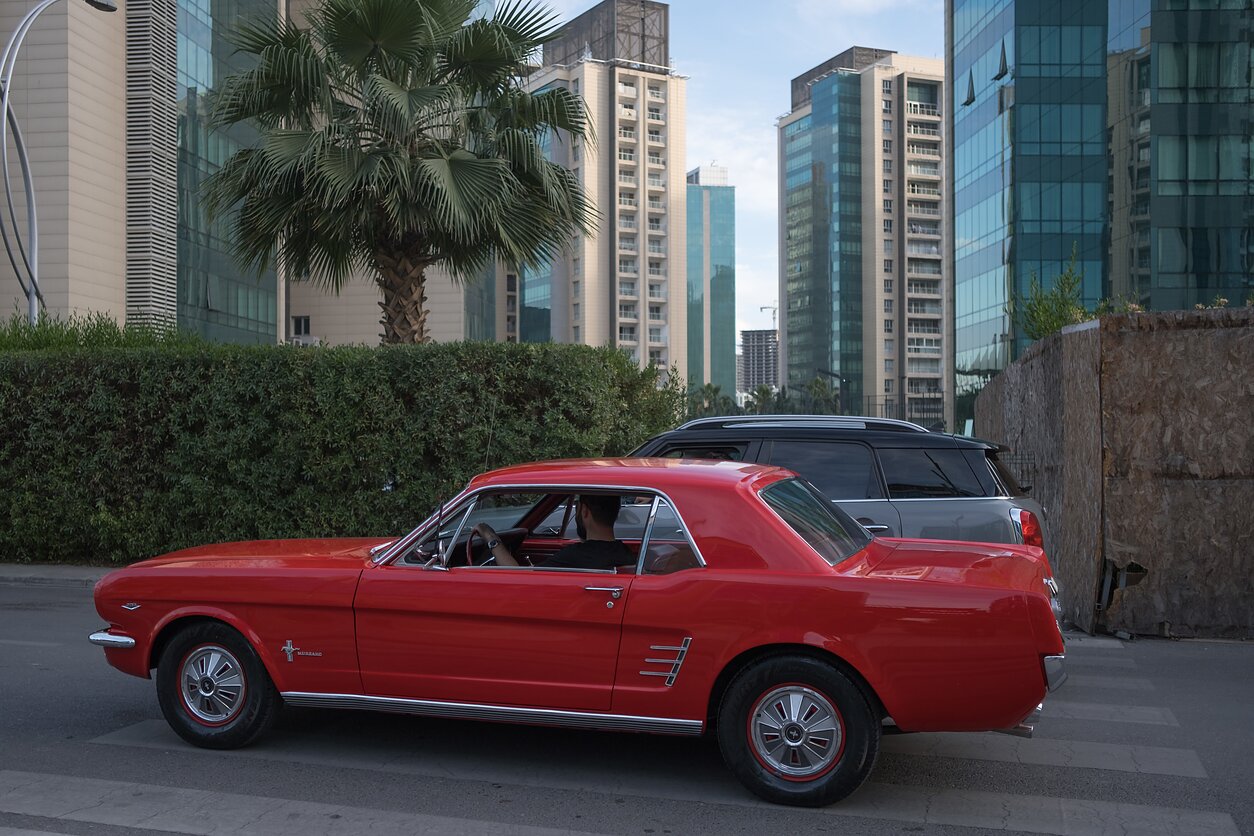
An expensive classic car is seen in the backdrop of the Empire development, one of Erbil’s new prime locations. The businessman behind the project, Peshraw Dizayee, was assassinated by Iran in a missile strike on his home earlier this year. | B. Gerdžiūnas/LRT
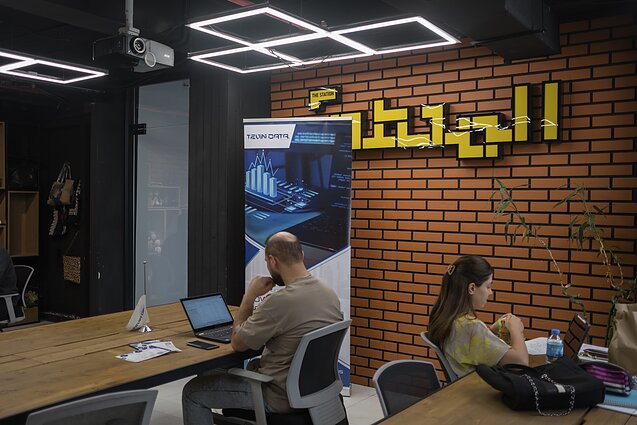
Station, a coworking space in Baghdad and Erbil. Shanga and Lara Saadallah are two sisters working there. They founded Tevin Data, a data science startup, after finishing their studies and getting work experience in an American company. “We need to shift from oil – a lot of people are now jobless and just waiting to be employed by the government, but they need to start businesses,” said Shanga. | B. Gerdžiūnas/LRT
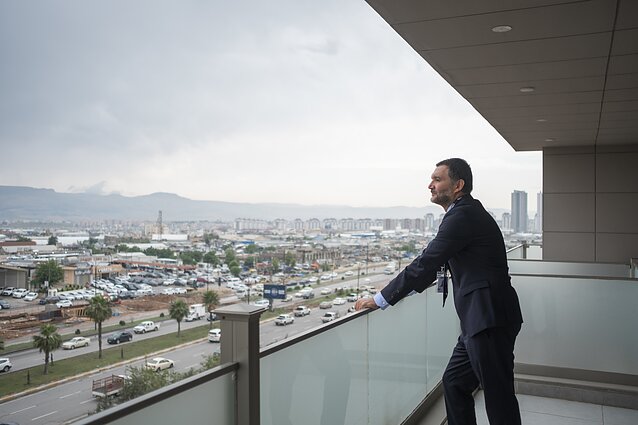
“Lithuania is a very developed country, especially in the digital banking and technology sectors,” said Nawzad Al-Salihi, head of digital transformation at IQ Group. “They should come here and see what's going on. We are a very young population which is tech savvy and we could be a good help and learn from you and share from each other.” | B. Gerdžiūnas/LRT
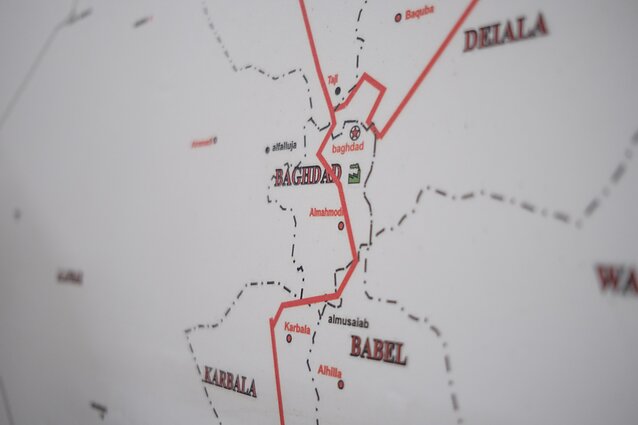
A map inside iQ Group offices showing the route of the network cable carrying data between Asia and Europe. It is laid alongside the Iraqi oil pipeline. During the war against ISIS in 2014-17, the armed group used the route to dig fortifications and trenches. | B. Gerdžiūnas/LRT
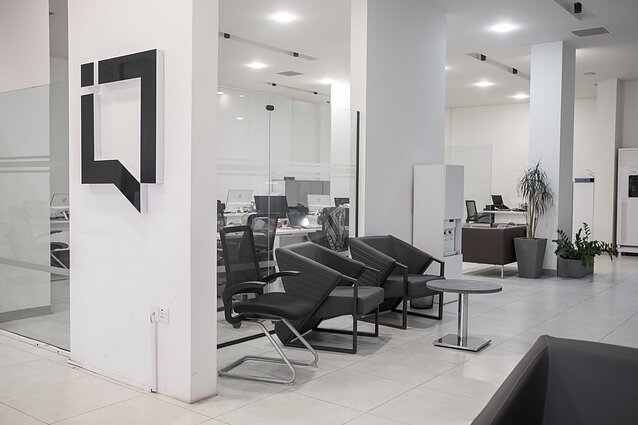
Inside the iQ Group offices in Sulaymaniyah. | B. Gerdžiūnas/LRT
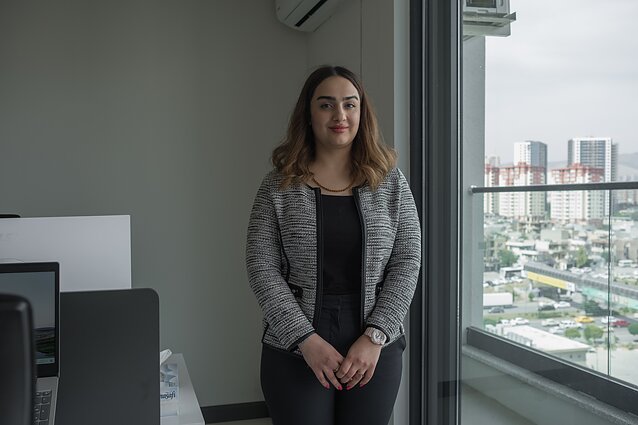
Hanar Hadi works at MEED Foundation, a non-profit tech company focused on sustainable development. “The younger generation is really focused on the changes going on around the world, and they are trying to implement different projects using the latest technologies, to improve lives and develop their areas, and to be the reason why there are changes,” she said. | B. Gerdžiūnas/LRT
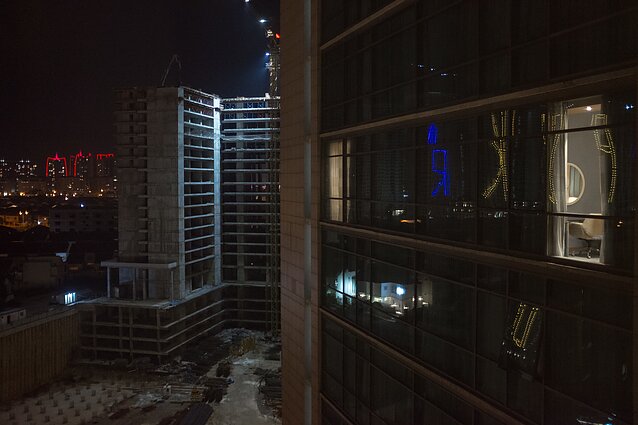
The view from a luxury hotel in Erbil. Despite the visible signs of change and growth, some Iraqis fear this will entrench the already deep inequality. | B. Gerdžiūnas/LRT
Taip pat skaitykite

LRT English
Newsletter
Every Friday morning.
Newsletter
Every Friday morning.