








LRT English Newsletter – July 10, 2026.
Lithuania’s prime minister-designate Mindaugas Sinkevičius presented his government’s programme to the parliament on Tuesday after getting the green light from the president the previous day.
The final composition of the 21st government, as well as the programme, will be confirmed in a vote in the parliament on July 14. Until then, here are some of the key takeaways.
(You can find out about the ministers here.)
– Social policies
Sinkevičius named polarisation in society as one of the main, if not the main, challenges now facing Lithuanian society. In his speech – and in the programme – he also called out Lithuania’s plummeting birth rates, saying the country “is facing one of the most severe demographic crises in Europe”. The PM-designate said the government would aim to tackle the soaring cost of living, with measures to include free school meals for primary school children and additional support for first-time home buyers
– Foreign relations and defence
There are few surprises, with foreign and defence policies still largely shaped by parliamentary consensus. Russia continues to be identified as a threat, while the list of risk factors includes “an international order shaken to its foundations, the deepening climate crisis, the unpredictable development of artificial intelligence, the unchecked growth of the influence of major global corporations, and the threat of diseases spreading around the world”.
Following the drone incidents, air defence received a separate mention, with a pledge to “urgently put into operation an air threat detection and defence system, particularly for protection against unmanned aerial vehicles, and further develop public warning systems”.
But things took a turn on Belarus: the programme states that the government would take action to keep Moscow in international isolation. Different from Ruginienė’s government programme, this part no longer mentions Belarus.
Sinkevičius and other officials, including the foreign minister and the president, quickly jumped in to deny any policy changes, saying Lithuania would maintain its course on sanctions. However, for many, this was a reflection of the ongoing discussions over potential re-engagement with the regime of Alexander Lukashenko.
In any case, most of the points are declarative in nature, which was also pointed out by the opposition. However, each pledge will receive an actual plan in the later stages, according to social democrat MPs.
NATO IMPROV
After US President Donald Trump claimed (again) he wanted Greenland, his Lithuanian counterpart Gitanas Nausėda dismissed the comment as “improvisation”. Nausėda then went on an improv himself, calling the America-Iran conflict “our war” and urging unity if Europe expected solidarity from the United States.
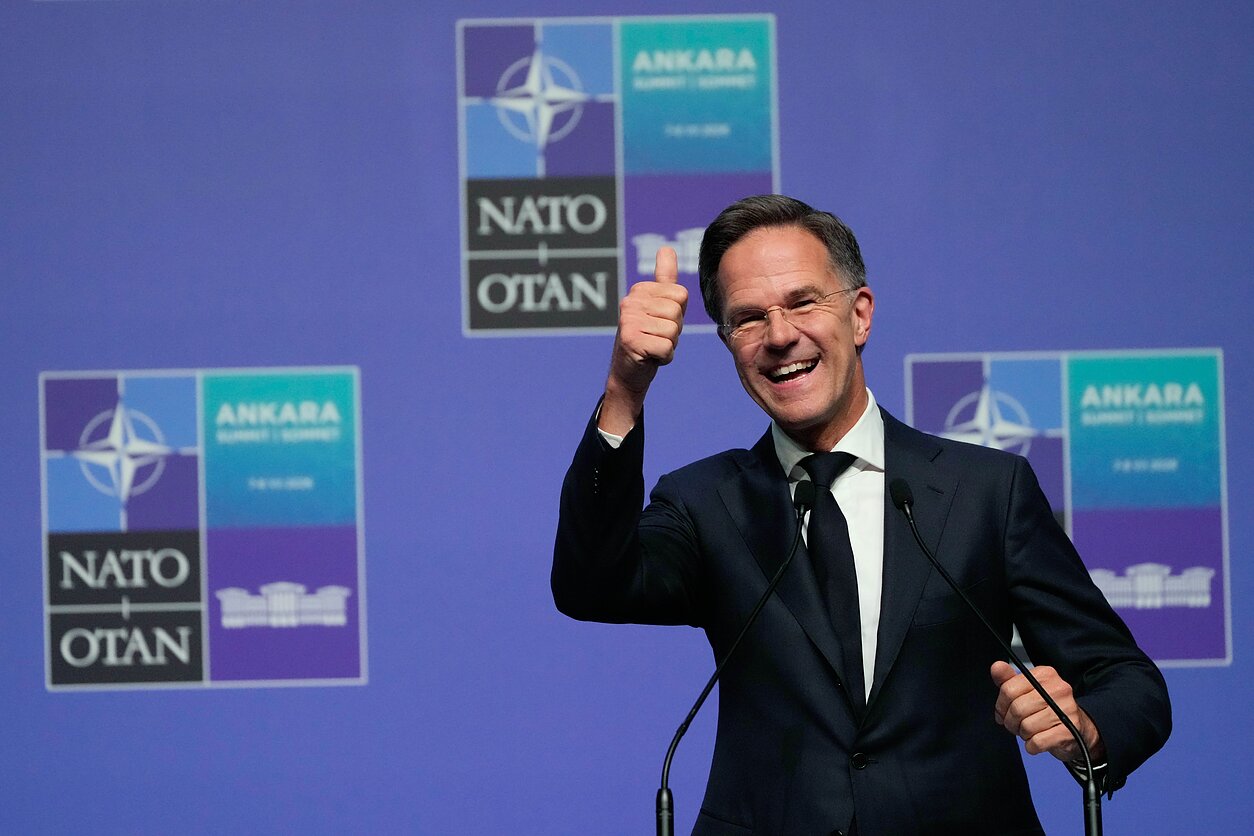
The key news for us surrounded the change of mandate from Baltic air policing to air defence. Although it may seem like a minor point, the Baltic states have been lobbying for the change for, quite literally, years. Details are scarce for now, but discussions several years ago prompted ideas that the change in mandate could mean NATO air defence systems – like the Patriots – deployed in the Baltics. There’s no talk about that for now. What’s sure, meanwhile, is that it will give NATO pilots more flexibility in shooting down intruding drones.
On another NATO note, Lithuania was named the alliance’s top spender on defence, with Nausėda even sporting a “5% club” pin on his suit.
RUSSIAN SABOTAGE NETWORK
Reporters from Vot Tak uncovered Russia’s sprawling sabotage network in Europe via Telegram. Posing as Russian speakers looking for jobs, they were offered to burn NATO jeeps in Lithuania and film drone launches “toward Russia”. Read the fascinating expose here.
ECONOMY UPDATES
– There are now over 12,000 millionaires in the county.
– Lithuania’s farmers’ markets are apparently at risk of dying out.
– Vilnius joins the tender for early-warning military aircraft.
– Negotiations with Rheinmetall are proving difficult.
– Brace for watermelon-gate.
– Overtourism is hitting Lithuania’s beloved Trakai.
EDITOR’S PICKS:
– Help compile Lithuania’s cultural heritage abroad.
– Lithuania was ordered to pay 30,000 euros in damages to a Saudi national over his detention at a suspected CIA secret prison.
– Could the Taiwan office in Vilnius be really renamed?
– A Japanese choir sings in Lithuanian.
– And read about Lithuania’s best-known holy figures.
Written by Benas Gerdžiūnas
Edited by Justinas Šuliokas

Newsletter
Every Friday morning.