















The Eurovision Song Contest seems to bring out the best and worst in many Lithuanians. Hating Eurovision and their own representative is an exercise in negative identity formation, according to a sociologist, that brings to the surface national prejudices and insecurities.
Some see the Eurovision Song Contest as a music competition, others as a political manifestation, yet others approach it as a sporting event. For sociologist Artūras Tereškinas, it is a first and foremost a cultural phenomenon that can say a lot about who we are.
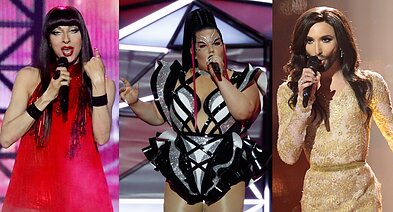
“For me, the two most important aspects of this contest are cultural and political. This contest reflects camp aesthetic – of bad taste, irony, artificiality, of shocking things,” he tells the LRT podcast United by Eurovision. “I think it is a philosophy.”
The camp essence of Eurovision is something that many Lithuanians, who take it extremely seriously, do not understand. “Why it is so theatrical, so hyperbolised, exaggerated, and sometimes tasteless,” he says. Criticising Eurovision performances for being over the top is missing the point.
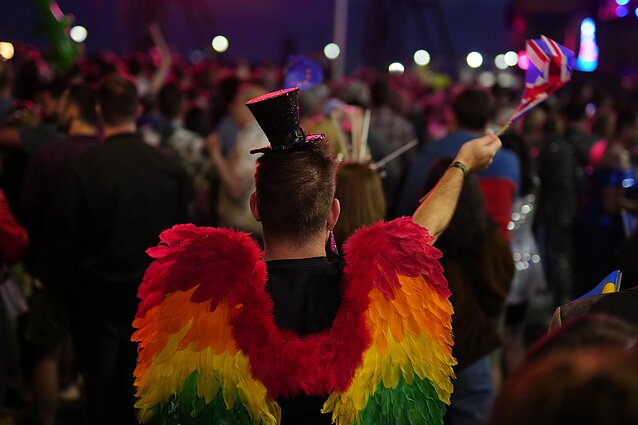
The political aspect of Eurovision is no less important, adds Tereškinas, a professor at Vytautas Magnus University in Kaunas. The competition is a rally for certain civil and political rights.

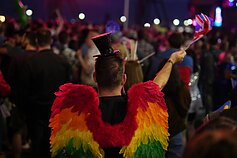
“It allows us to talk about the rights of LGBTQ+ people. They are always in the background and are regularly brought out to the surface in this competition,” he notes.
Big politics also regularly creep up on the Eurovision stage. Russia and Belarus have been banned from the competition. This year, fierce debates rage about what to do with Israel over its crimes in Gaza. “The Finns and the Icelanders in particular objected to Israel’s participation,” Tereškinas notes. “So the political aspect of this competition is also very important.”
From the margins to the centre stage
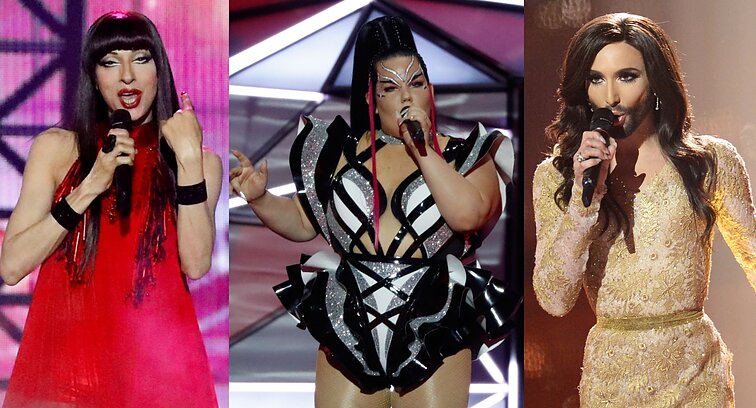
Extravagance and hyperbole are both the expected and sometimes criticised features of many Eurovision performances. In the sociologist’s opinion, the world’s biggest music event has taken on these colours because of the marginalised people who take part.
“This aesthetic comes from the lives of marginalised groups, and it allows them to express certain parts of their lives that are not normally visible in that general society,” says Tereškinas.
“On the other hand, some people [in Lithuania] don’t seem to understand it at all,” he adds. Online comments from “haters” call it “a show of tastelessness” and “a festival of multiculturalism” in a derogatory sense.

“The funniest thing was to read comments calling it a leftist event. This also underlines the political nature of the competition, where politics is very important. Lithuanians, who are very conservative, or at least some Lithuanians, are so bothered by this competition because it triggers their prejudices against LGBTQ+ people, sexuality in general and the open expression of sexuality in Eurovision,” Tereškinas says.
Love-hate of own representatives
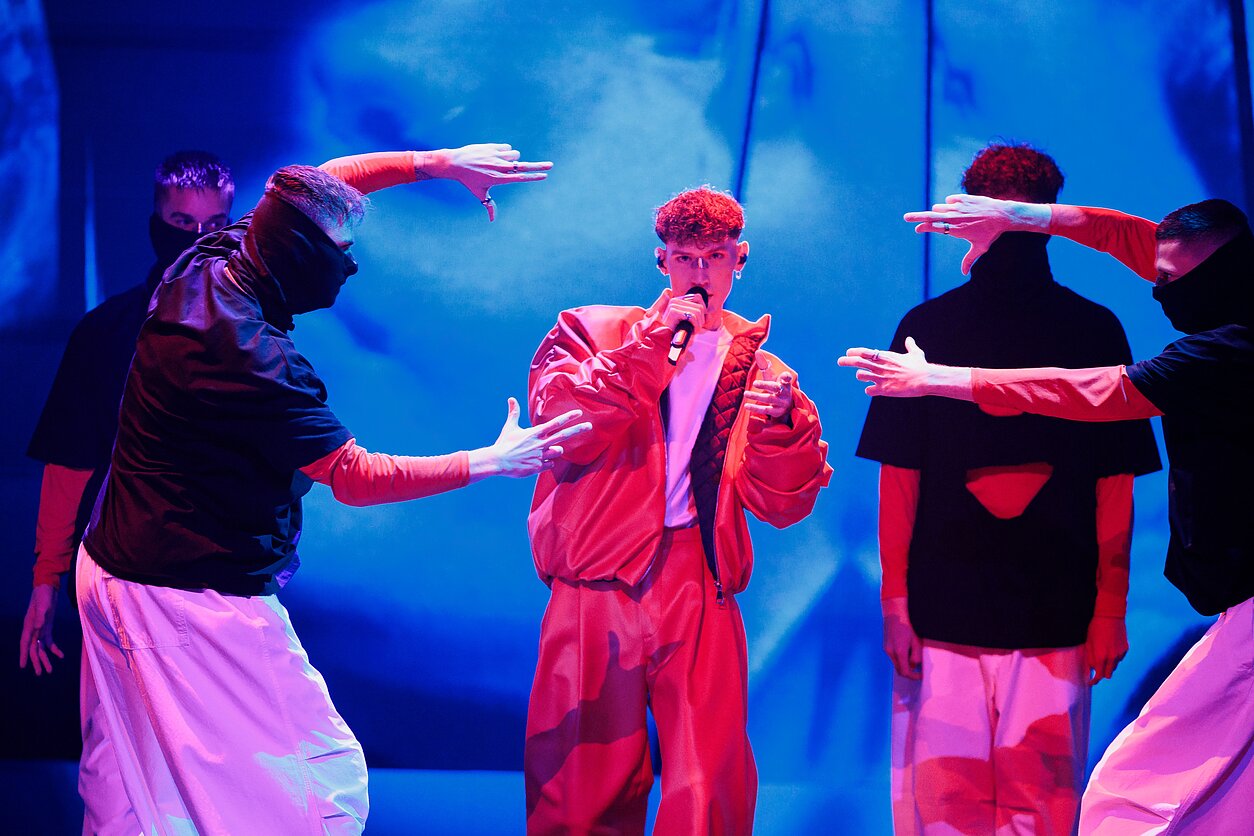
This year, Lithuania’s Eurovision song, Luktelk by Silvester Belt, won the national competition with an overwhelming margin, almost double the televote of its nearest rival.
Still, there was no shortage of negative or outright hateful comments about the winning song and the perfomer: his voice, his appearance, his facial accessories.
This is not exceptional – every year, the winning performance attracts criticism. According to Tereškinas, this kind of hate directed by Lithuanians at their own representative can be a unifying factor.

It reflects “some kind of general cultural or social mistrust” that gets projected and focused on the performer, the sociologist believes. This is not peculiar to Lithuanians.
“I have seen this in general discussions among Eurovision fans or watchers after the final. It shows that there is indeed a lot of hate. People from different countries are there. For example, last year a lot of people did not like [the Swedish winner] Loreen and thought that Finland should have won. That debate was quite heated.
“It is similar to the Lithuanian debate, where there is a lot of harassment, a lot of hatred, a lot of mistrust, a lot of unwillingness to believe that this performer can represent the country.
“I think it’s a more general feature of social media, of fan subcultures, which are also a kind of platform to express your emotions, your anxiety, your dissatisfaction.”
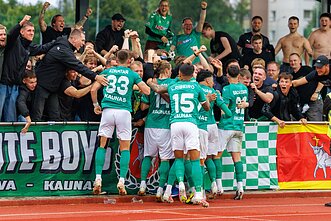
Tereškinas compares it to football or basketball fan culture, which is also an important site of national identity formation.
“Looking at Eurovision, it seems that Lithuanians are very insecure about their national identity. That identity is constructed on negative emotions. One could explore why, for example, the Irish rally around their football teams, while Lithuanians mistrust and derogate their identity during Eurovision,” says Tereškinas.

Newsletter
Every Friday morning.