













Traditional Lithuanian trades and crafts are making a comeback. Buyers are looking for traditional woven bands and dowry chests. Craftsmen employing old production methods say they can now make a living from it.
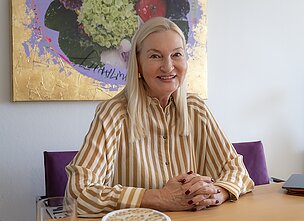
Rūta Stonkienė, who used to live in Vilnius but has moved back to her home village of Puškoniai in Pasvalys district, northern Lithuania, says she wanted to dedicate more time to her creative pursuits. And then she decided to turn her hobby into a business. She started making antique chests, which, she says, have become very popular lately.

“The demand is very high and I am happy. The chests are going abroad too, people apparently want to see their own traditional designs even when they’re in other countries,” Stonienė tells LRT TV.
People buy her chests for weddings and baptisms. “Mothers buy one for their child, put ‘dowries’ in them, hoping that they will one day take it to their new home,” says Stonkienė.
Violeta Valentonytė, a resident of Uliūnai in Panevėžys district, agrees that the old traditions are becoming popular again. She weaves national bands. They are used in wedding ceremonies and given to people on their birthdays.
Younger and younger people are interested in these traditional bands.
“In the past, these bands were requested by elderly jubilarians, but now I also receive orders from eighteen- and twenty-year-olds. I weave bands for thirty- and forty-year-olds as well,” says Valentonytė.

Only a few years ago, weaving bands was her hobby and a supplementary source of income at best, but now it has become her main job.
“I’m not saying that we’re rolling in it, but we don’t need to scrap and save. We have a lot of orders at the moment. My daughter, although she knew the trade, was a bit sceptical about it, but when she saw that it was something she could do for a living, she joined in,” says Valentonytė.

Ethnologist Aušra Sidorovienė says she has also noticed that traditional crafts are making a comeback. Older people thus supplement their pensions, while the young are turning it into a business. The latter are very good at promoting their products on social media and craft fairs.
“The old saying still applies – if you know a trade, you won’t go hungry,” says Sidorovienė.
Dominyka Venciūtė, director of the ISM International Marketing and Management Programme, identifies several reasons why old Lithuanian traditions are coming back in modern guises and becoming businesses again. One of them is the current geopolitical situation.

“These things that seem to come from the past are nostalgic, they give a certain sense of security,” she says, adding that the appeal is particularly strong in the environment of geopolitical instability.
Moreover, Venciūtė believes that the surging popularity of traditional crafts indicates that Lithuanians are getting bolder in asserting their national pride.
“People are no longer afraid to show where they come from. I think this is also illustrated by the fact that we have sent a song in Lithuanian to Eurovision for several years in a row. […] We wear national bands as self-expression, as a part of our self-image,” believes Venciūtė. “Personally, I am very happy and proud that we are no longer afraid of that small nation complex.”
Moreover, Lithuanians are now more willing to pay more for things that are durable and meaningful. Something they can pass on to their children.

Newsletter
Every Friday morning.