
















Lithuanian multipart songs, called sutartinės have been inscribed in the UNESCO Intangible Cultural Heritage list since 2010. But in Lithuania, they are still mostly appreciated only by folklore enthusiasts.
Sutartinės are a form of polyphonic songs traditionally performed by female singers in north-east Lithuania. This year’s Lithuanian Eurovision entry Stay (Čiūto tūto) by Monika Linkytė also features elements of sutartinės and has revived interest in the Lithuanian cultural heritage.
To ensure that the interest continues even after the Eurovision, the Lithuanian parliament Seimas is proposing to introduce the day of sutartinės on November 16. On this day in 2010, the Lithuanian multipart songs were included in the UNESCO list of Intangible Cultural Heritage.
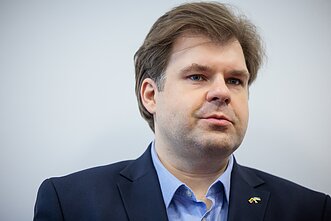
“I find it difficult to understand why it has taken so long, as sutartinės were already inscribed in the UNESCO list in 2010,” said Robertas Šarknickas, deputy chair of the Parliamentary Committee on Culture.
“The inspiration probably came from the fact that there is a Eurovision song – Linkytė included sutartinės in her song. This is why the proposal was submitted before the start of Eurovision,” he added.

The folk artists say that the proposal to mark the day of sutartinės is a welcome one, but it is only the beginning of a long road.
“There needs to be more interest in sutartinės, and not just on that one day. It should start from school – there should be music lessons and ethnic culture lessons where the traditional songs would be sung,” said Inija Trinkūnienė, leader of the folklore band Kūlgrinda.
Currently, not only the Lithuanian sutartinės but also cross-crafting and the Song and Dance Celebration are on the UNESCO Intangible Cultural Heritage list. It is expected that at the end of this year, Lithuanian traditional straw gardens will also be added to the list.


Newsletter
Every Friday morning.