














The European Commission said on Wednesday it had requested the formation of adjudicating panels at the World Trade Organization in two trade disputes with China, including one concerning Lithuania, Reuters has reported.
The disputes, brought to the WTO at the beginning of the year, concern China’s economic sanctions against Lithuania, as well as Beijing’s restrictions on EU companies’ rights to use a foreign court to protect their high-tech patents.
“In both cases, the measures are highly damaging to European businesses,” the EC said in a statement.
According to the EC, in both cases, the Chinese measures are highly damaging to European businesses. Meanwhile, Beijing’s discriminatory measures against Lithuania affect intra-EU trade and intra-EU supply chains, as well as impact the functioning of the EU internal market.

The EU is moving onto the next stage in the WTO cases after the bilateral discussions with China have failed, said Valdis Dombrovskis, the EU’s Commissioner for Trade.
“Our preference was to solve these two significant and systemic cases in a consultation process, and we have invested a considerable amount of time in doing so. However, this was to no avail. We are therefore left with no choice but to request the establishment of these WTO panels,” the commissioner was quoted as saying in the statement.
The EU executive said it would request the formation of a WTO panel at the next meeting of the WTO Dispute Settlement Board on December 20, adding that panel proceedings could last up to 1.5 years.
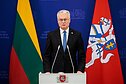
Lithuanian Foreign Minister Gabrielius Landsbergis has welcomed the EU’s move.
“We welcome the European Commission's decision to apply to the WTO on behalf of the EU for the establishment of an arbitration panel. This move sends a further message to China that the EU will seek to defend the single market and EU Member States against politically motivated economic coercion by all means,” he was quoted as saying in the Foreign Ministry’s statement.
Lithuania-China relations soured after a Taiwanese representative office was opened in Vilnius under the island’s name. In response, China imposed unannounced economic sanctions on Lithuania and a de facto blockade on the country’s imports.
In late January, the EU launched a WTO case over China’s “discriminatory trade practices” against Lithuania.

Newsletter
Every Friday morning.