












The Baltic Sea is a particularly good environment for preserving shipwrecks. It is a treasure trove for maritime archaeologists – but also for scavengers.
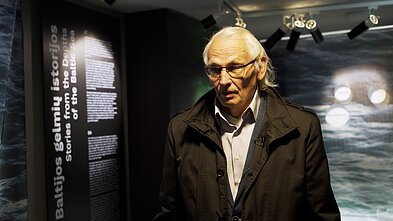
More than 120 shipwrecks rest on the Baltic seabed off the coast of Lithuania, and archaeologist Vladas Žulkus warns that amateur divers can sometimes do a lot of damage.
“The remains of wooden ships, which are of interest to archaeologists, are often of little interest to amateur divers. I’ve heard many say: We’ve dived and there’s a bunch of planks. They will be more interested in World War Two and World War One ships, which are big, good-looking and full of everything. A lot of people are diving now, people who don’t really understand it,” Žulkus tells LRT TV.
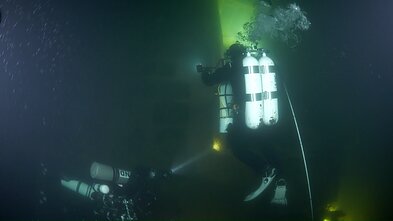
There are currently 18 shipwrecks listed in the Lithuanian Register of Cultural Treasures. The rest are not sufficiently documented. Sabine Kerkau, a German with Klaipėda roots, has been exploring the Baltic seabed for several years. Having performed more than 6,000 dives, she says the Baltic Sea is a tough nut to crack.
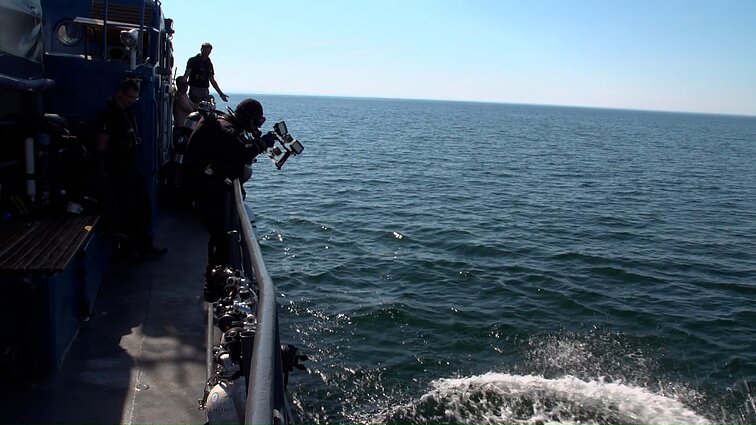
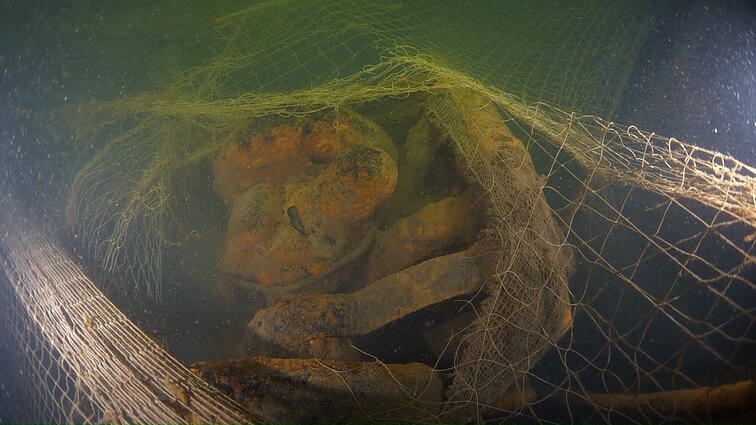
“Visibility in the Baltic Sea is very good, especially below 40 metres, but it is cold and dark. The most important thing is that the boats themselves are very well preserved, there is little oxygen, little light and almost no salt. That is why we are finding real treasures,” says Kerkau, who works with the Baltic Sea Heritage Rescue Project.
What archaeologist consider to be treasures are first of all well-preserved shipwrecks with plenty of evidence of what happened to them.
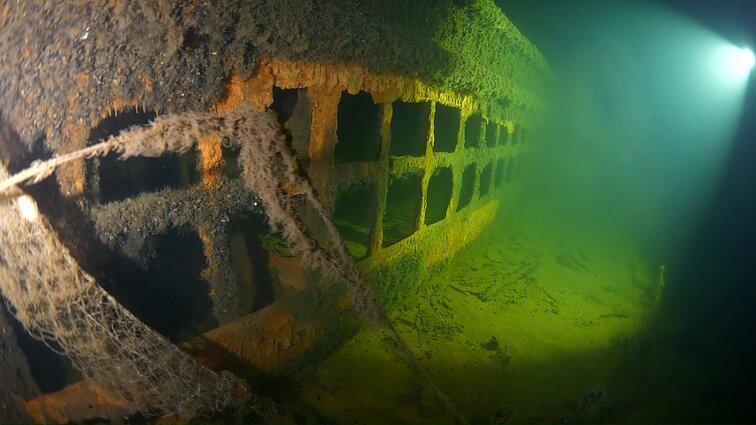
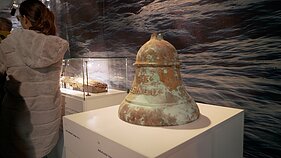
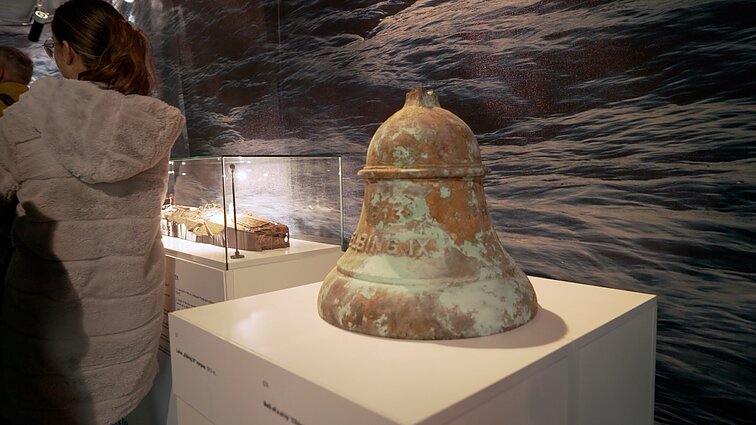
“We are the first to investigate all the tragic stories, to confirm someone’s death or to find very interesting artefacts such as ship bells, hardware, to hand it over to museums or to leave it at the bottom of the sea for other people to see. What we are doing is very important, but also very dangerous,” she says.
Professional divers dive with archaeologists to bring back lost stories, while divers involved in black archaeology have other goals. There are quite a few of them in the Baltic Sea, says Laisvūnas Kavaliauskas of the Department of Cultural Heritage (KPD).
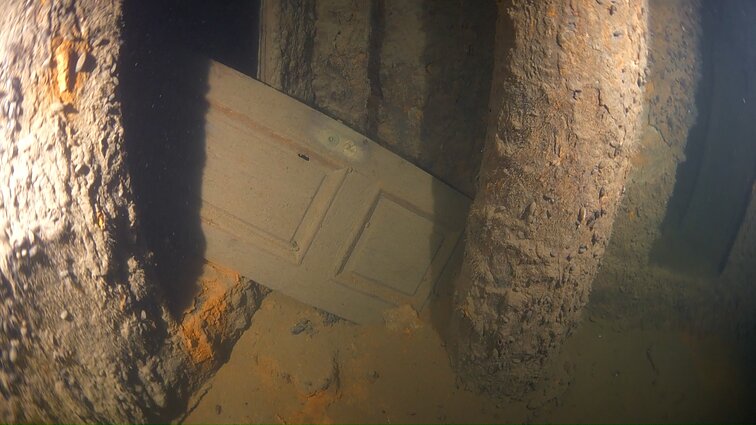
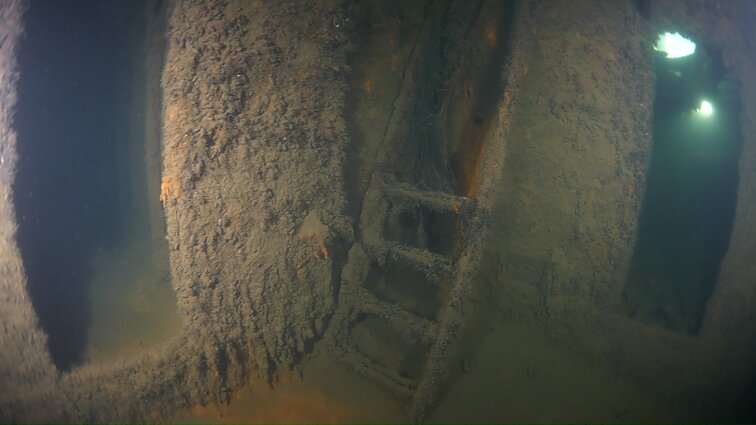
“Unfortunately, we have black archaeologists who are interested in finds on and near ships. I would like to mention the ship Fusilier, which I was on an expedition to discover, and the sonar had filmed boxes of small arms, and there were several dozen boxes, several hundred rifles. Today, there is not a single one,” says Kavaliauskas.
However, he adds, underwater treasures are now much better protected than they were a couple of decades ago. There are laws and agreements with the Coast Guard, the military and the Maritime Safety Administration for assistance and coordinated actions.
According to Professor Žulkus, who has been diving in the Baltic for many years, says that protection is still too weak.
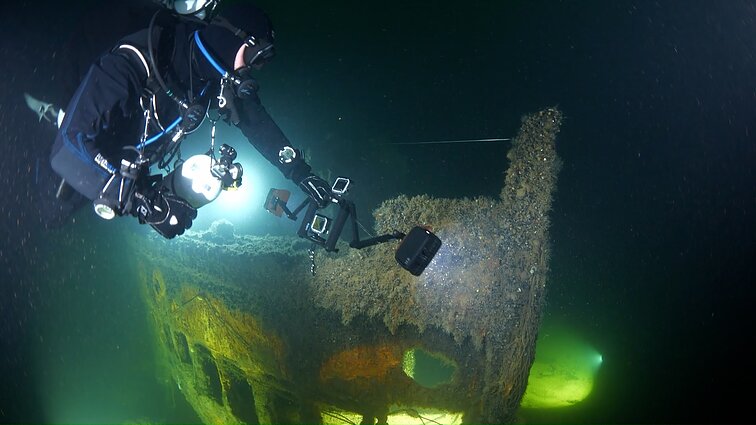
“My understanding is that the procedures are not adequate. There is no archaeology without archaeologists, no requirement that whoever is in charge of the dives must have an understanding of the historical aspect of the site and its value. Another thing is that in Lithuania, there is no monitoring of sunken ships, no tracking of how they have changed,” the archaeologist says.
Since the establishment of the Lithuanian Maritime Museum, a wide variety of artefacts from the Baltic seabed have been washed ashore and discovered by archaeologists. The director of the museum is pleased with the new Baltic Treasures exhibition, but believes that not everything needs to be brought to the surface.
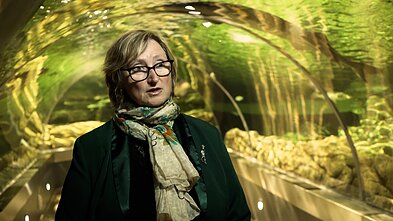
“What is in the Baltic Sea is well preserved. It must remain there, it must not be touched,” says Olga Žalienė, director of the Lithuanian Maritime Museum.
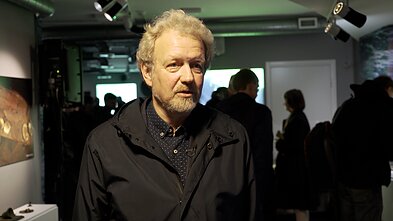
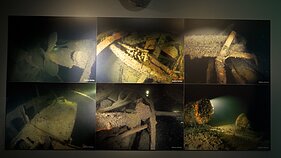
The Maritime Museum’s exhibition features two ships that were on mines during the wars, the bells of both ships untouched by time, and other relics. The visual narratives for the exhibition were created by artist Rimas Sakalauskas.
The project’s partner organisation Baltic Sea Heritage Rescue Project produced 3D models of the sunken ships for the exhibition.

Newsletter
Every Friday morning.