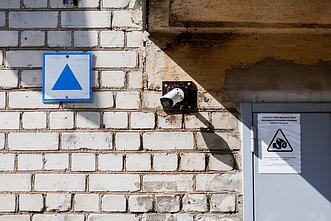











As children will head back to classes in September, they will find some of their schools marked with new stickers – hundreds of schools across Lithuania have now been designated as bomb shelters.
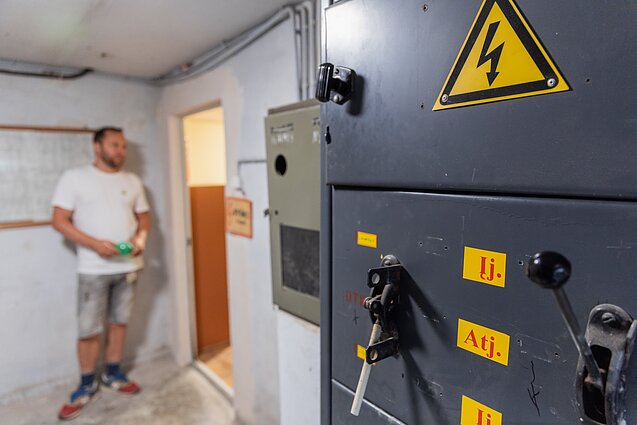
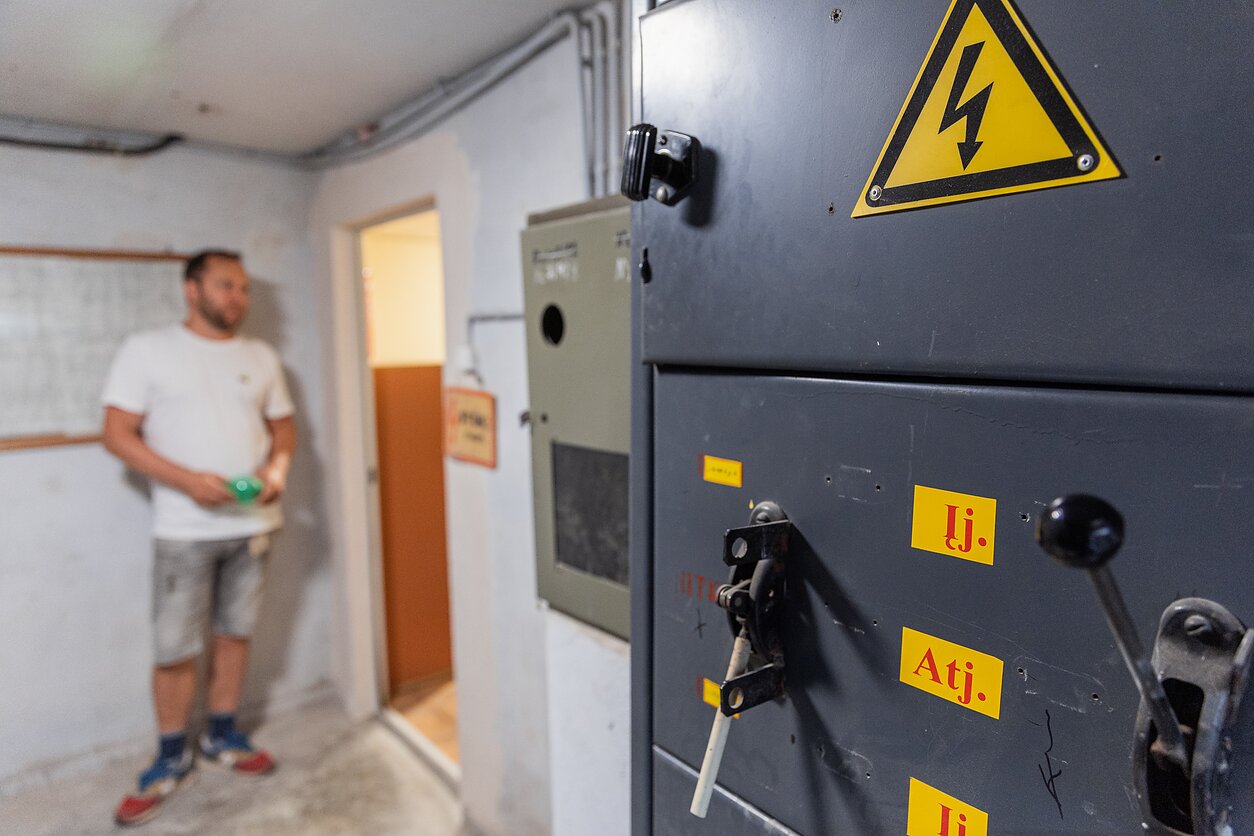
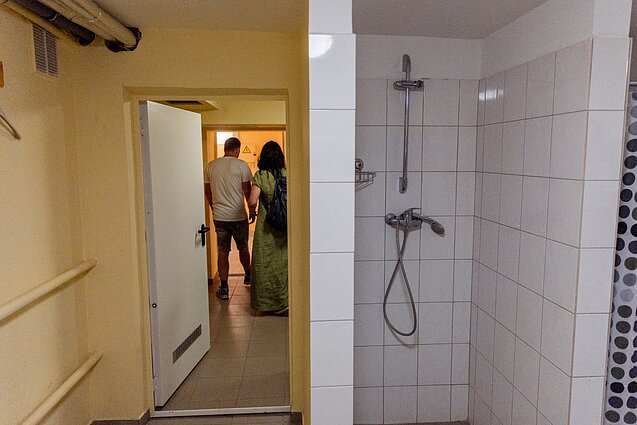
As we enter the Gabrielė-Petkevičaitė Bite Adult Education Centre in Vilnius, we descend into the basement. There is a long, wide corridor leading to smaller rooms that now house a classroom, archives, and a boiler room.
In the event of a war or some other emergency, all of this would provide a short-term shelter for Vilnius residents.
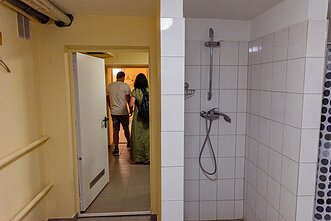
According to the school’s authorities, their basement shelter could accommodate around 200 people, both in the wide corridor and in other rooms, including an air-conditioned classroom, with a toilet and a shower nearby.
War fears
Before Russia’s invasion of Ukraine, few people in Lithuania thought a full-scale war in Europe was possible, said Edgaras Geda, chief of the Civil Protection Board of the Fire and Rescue Department (PAGD).
“When we saw what was happening, we discussed again with our family how to deal with a military threat,” Geda said.
He said it was important to discuss plans and preparations with your family, ie what you would do if there was no electricity for a few days or where you would meet and contact each other in case communications failed.
“You need to write down your decisions, write down the places where you will meet and test it out in real life,” said Geda.
Preparing more shelters
According to Interior Minister Agnė Bilotaitė, civil protection has not been given adequate attention in the past years. Now, the aim is to be able to provide at least half of the country’s population with temporary shelters.
The ministry also plans to pass a new law, making it compulsory to build shelters in new public buildings. The same would also apply to private five-storey houses.
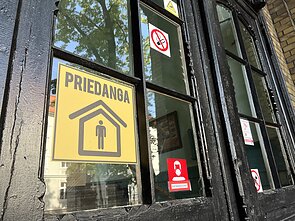
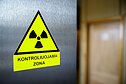
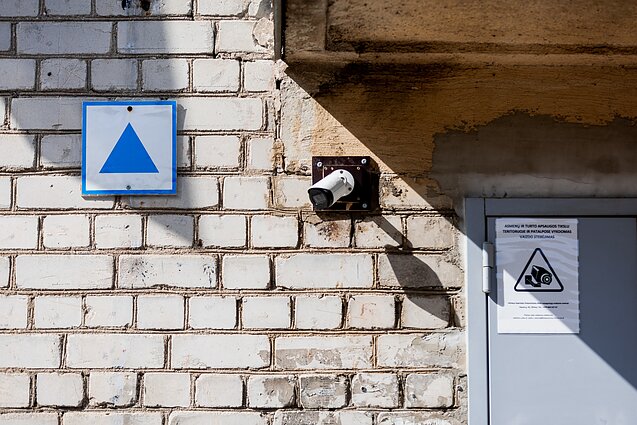
Lithuania has three different categories for shelter structures. One is Priedanga, or a bomb shelter, offering several-hour protection from incoming small-arms fire or artillery shells. Their yellow logo shows a house, a person, and the word “priedanga”.

Then, there are Kolektyvinės Apsaugos Statiniai (Collective Protection Structures), or KAS for short. There are some 1,900 of them in the country, which would be enough for around 41 percent of the population. These are intended to be used as temporary shelters for the displaced and would also provide people with essentials like food, water, and medical aid.
Some of them can also be used as bomb shelters.
The third type are Slėptuvės, or bunkers, which would be used by firefighters, medics, and those remaining in the most dangerous areas.
In all, there are some 1,787 bomb shelters in Lithuania, which include 1,254 buildings allocated by municipalities and a further 533 KAS buildings that could be used as bomb shelters.
In case of emergency, 495,339 people, or 17 percent of the country’s total population, could fit inside these structures.
Currently, most of the designed KAS points are schools and sports halls.
“If a building collapses during a bombing and people are hiding in the basement, they could be rescued after a while. Both structural and engineering features make the basement a room that would be safe, at least for a while,” said Geda from the Fire and Rescue Department.
“As for the long-term solution, the focus is on evacuation to safe areas,” he added.
According to Geda, there are 181 shelter buildings in Vilnius, which include hotels, administrative buildings, shops and schools.
In the near future, all the addresses of the shelters will be made public.
In case of an emergency, rescuers would send notifications to mobile phones, urging them to seek shelter. Updates will also be announced on LRT.

Newsletter
Every Friday morning.