











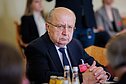


After allowing Russia to continue transit of sanctioned goods via Lithuania, Brussels has shown it is willing to make exemptions, Marko Mihkelson, head of Estonia’s parliamentary foreign affairs committee, said on Wednesday.
"Russia came up with a very strong verbal reaction to the full implementation of the sanctions package – aimed primarily at Lithuania but also Europe as a whole,” he was quoted by Estonia’s public broadcaster ERR News.
“What this really means is that the European Union has sent a signal that it is willing to make exceptions to Russia sanctions. I find it to be an extremely unfortunate signal," Mihkelson said.
He said the European Union failed to mention the sanctions were imposed in the wake of Russia’s invasion of Ukraine.
“Russia is waging a war of destruction against Ukraine and its people. To try to soften or somehow explain sanctions in this situation – it sends Russia the signal that exceptions are possible if they're loud enough," Mihkelson added.

Read more: Sanctioned goods to Kaliningrad can transit Lithuania by rail, says Brussels
According to ERR News, Mikhelson said Estonia stands with Lithuania and discussions will continue in Brussels and on the ministerial level.
“It is definitely in Lithuania's interests, as well as ours, that we solve these matters in a way that retains European unity,” he said.
Mikhelson’s comments come following European Commission’s guidelines issued on Wednesday evening, which allowed sanctioned goods to transit by rail via Lithuania between Russia and its Kaliningrad exclave on the Baltic coast.
The volumes of essential goods transported by train cannot exceed the three-year average.
Read more: Lithuania and Kaliningrad – updates

Newsletter
Every Friday morning.