










Lithuania is taking part in discussions on the possible deployment of US nuclear capabilities in additional NATO member states in Europe, Defence Minister Robertas Kaunas has said.
His comments followed a report by the Financial Times that the United States is considering expanding the number of European countries hosting assets linked to its nuclear deterrence strategy.
"Discussions are indeed taking place. I do not want to go into details at this point because they are classified, but discussions are ongoing and Lithuania is certainly not standing on the sidelines," Kaunas told reporters at the Seimas on Tuesday.
The minister said nuclear capabilities contribute to deterrence and security, adding that countries must take measures to strengthen their defence and independence.
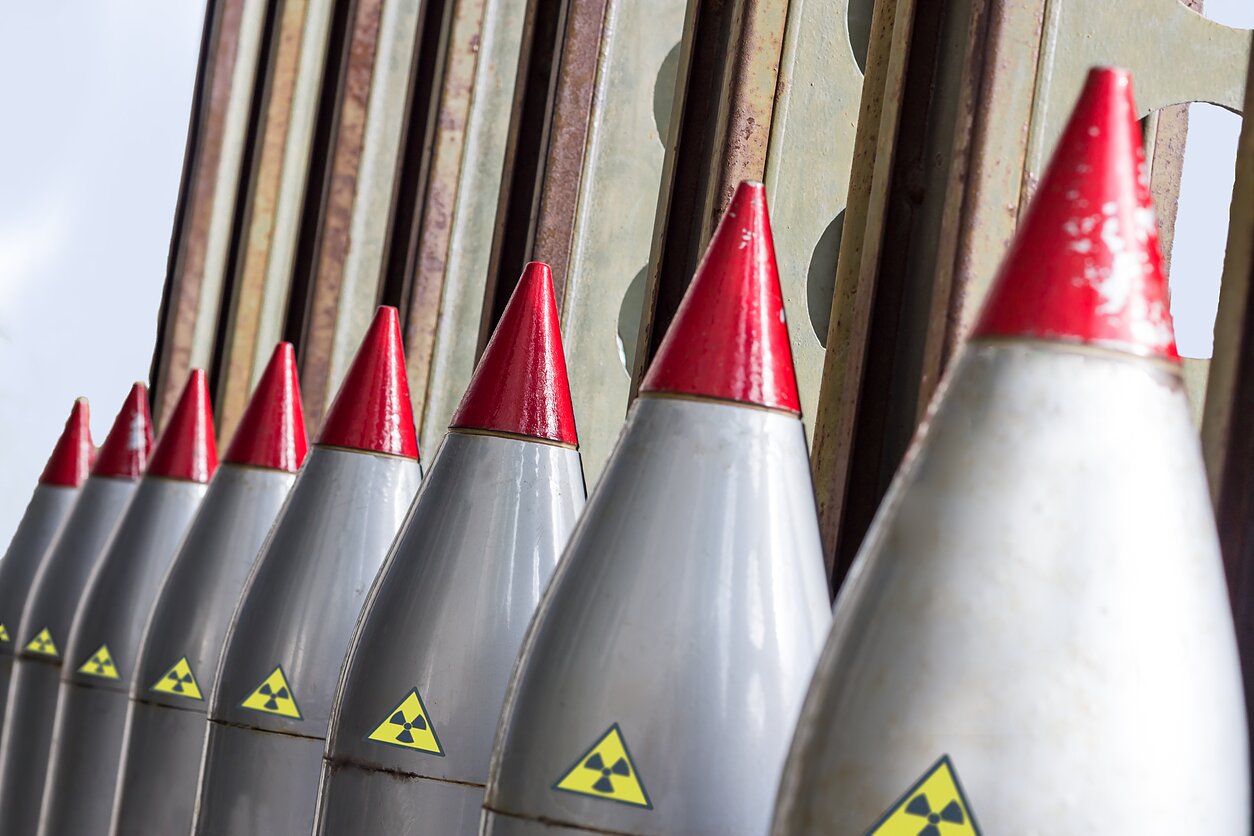
Citing unnamed sources, the Financial Times reported that Washington is considering expanding arrangements beyond the six NATO countries that currently host US nuclear weapons. The report said discussions include the possible deployment of additional dual-capable aircraft, which can be used in nuclear missions, and that any changes would not be implemented in the short term.
According to the newspaper, countries on NATO's eastern flank, including Poland and the Baltic states, are among those considering whether to host such capabilities.
The issue is also being discussed within Lithuania. Following President Gitanas Nausėda's veto of amendments to the Law on the Klaipeda State Seaport that would have allowed vessels carrying nuclear weapons to enter Lithuanian ports, politicians began considering possible constitutional changes.
Lithuania's Constitution states that there may be no weapons of mass destruction or foreign military bases on its territory, meaning any move to host nuclear weapons would require broader political and legal debate.
President Nausėda, Seimas Speaker Juozas Olekas and National Security and Defence Committee chairman Rimantas Sinkevičius have said they do not rule out discussions on amending the Constitution. The idea has also received support from some opposition politicians.
Kaunas said the discussions form part of wider security policy considerations and are taking place at a "working level" within allied structures.

Newsletter
Every Friday morning.