












The Museum of Wooden Urban Architecture opened in Vilnius this week, housed in a restored wooden house in Užupis. A unique museum showcases the heritage of wooden architecture in Vilnius, introducing visitors to old and modern, ecological and sustainable wooden buildings.
“Just a few years ago, this 19th-century wooden house in Užupis was decaying and dilapidated. Today, our idea and the idea of the Užupis community has become a reality – the little house has been resurrected and turned into an ornate wooden swan,” Vilnius Mayor Remigijus Šimašius posted on Facebook.
The Museum of Wooden Urban Architecture is housed in 52 Polocko Street. The focus of the display is not just the building methods of the olden days, but also how to adapt and apply them today for more sustainable construction practices.

The wooden house on Polocko Street had been unused for years and maintained by the Užupis community.
This year, the wooden house has been renovated and substantially adapted to accommodate a modern museum. The rotten timber of the walls has been replaced, the building’s structures reinforced. It got a new roof and a staircase extension.

The restoration, however, has been done so that as many of the authentic architectural elements and structures could be preserved, such as shuttered windows, doors, partitions, the flooring on the second storey, wood carvings, various decorative elements, and a papier mache rosette.
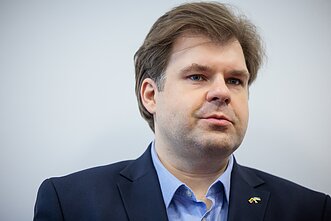
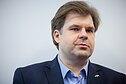
“We have a site where we can preserve and study the heritage. We are a bit behind, our Finnish neighbours already had a museum like this in the 19th century, but it’s important not to be late, and we don’t seem to be late. On the other hand, it must be said that this building has also been well preserved and restored,” says art historian Saulius Pilinkus.

The house is not only steeped in history, but also in modern sustainability – the lighting in the museum’s display will automatically switch off in the absence of visitors. The latter will be able to get advice on how to reconstruct old wooden buildings or construct new ones.
“Every visitor will find their answers, and not only children will be able to come here for education, but also adults who need to restore their homes,” says Birutė Vagrienė, head of the Vilnius Memorial Museums Directorate.


Newsletter
Every Friday morning.