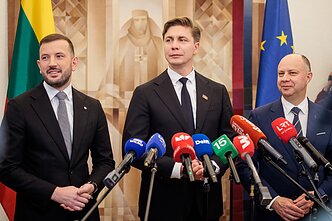












The military threat to Lithuania has been significantly reduced amid Russia's military build-up in Ukraine, although the likelihood of a conflict remains, says Lithuania's Chief of Defence Lieutenant General Valdemaras Rupšys.
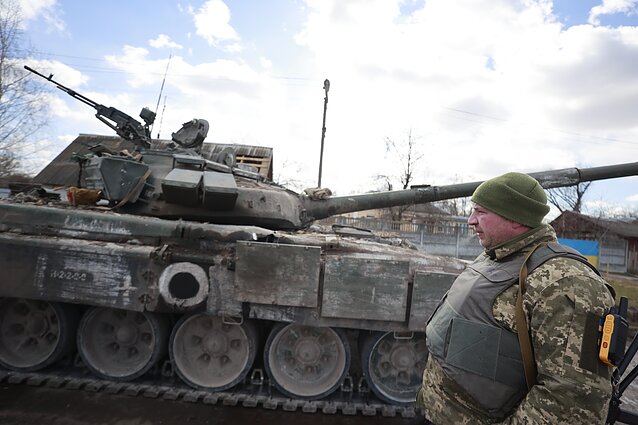
"Russia is a constant threat, it has been and it is and, in my opinion, it will remain, and even grow further. But today we can see that in Ukraine the Russians are very much trapped, they are stalled on the Ukrainian front," he told reporters on Monday.
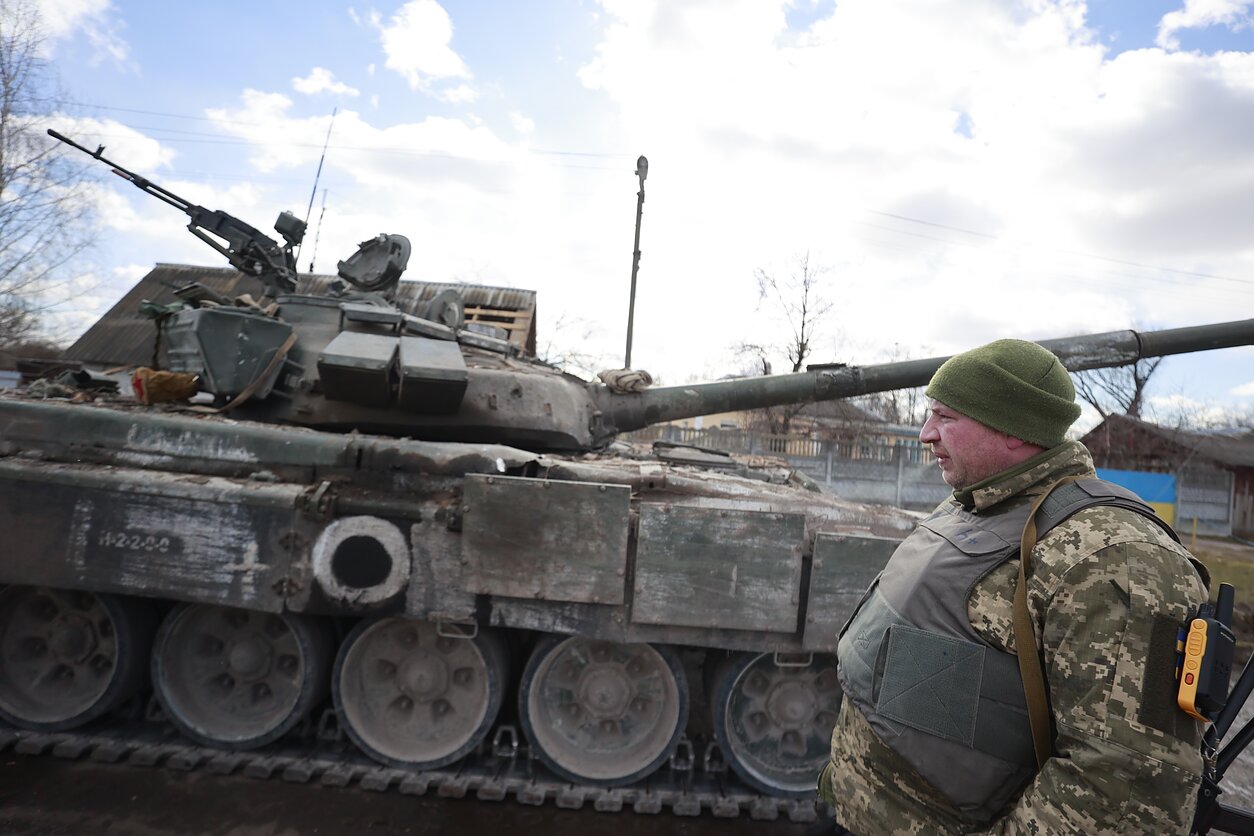
Russia is now sending forces from the far east, from the north and "from all of its military districts", including the Kaliningrad region, Rupšys said.
"The first tank army, which [...], is intended to act and attack in our direction, is very much involved in the fighting and has suffered losses. So, at this moment, when the war is ongoing, a conventional ground attack is unlikely, or the threat is lower than usual," the lieutenant general said.

At the same time, he stressed that if Russia loses its advantage, the war could take a different turn. For example, if Russia attacked NATO territory or a target close to the NATO border.
"I do believe in all those statements, of the NATO leader and of NATO military leaders, and other countries, that we will not give up a single centimetre of a NATO country. So anything can happen. But I repeat, there is no threat of an attack from the Kaliningrad region at this moment," Rupšys said.

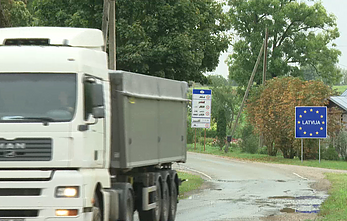
On Monday, on the occasion of the upcoming anniversary of Lithuania's NATO membership, Rupšys and Prime Minister Ingrida Šimonytė are visiting Pabradė, close to the border with Belarus, where the NATO enhanced Forward Presence Battalion is deployed.
Šimonytė said that NATO is deploying more and more forces in Lithuania and "we can truly feel secure and build our future".
"I cannot fail to mention the war in Ukraine, the Russian invasion which takes lives every day, destroys infrastructure, cities, kills people, and in every way undermines Ukraine's right to choose its own destiny, partners and alliances. This is obviously a crime," Šimonytė said.

Newsletter
Every Friday morning.