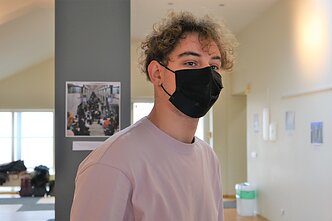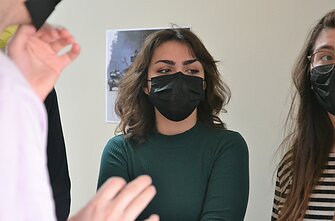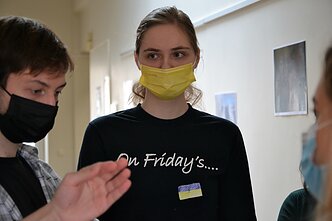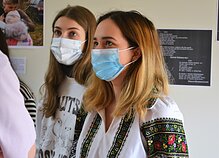



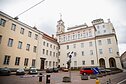





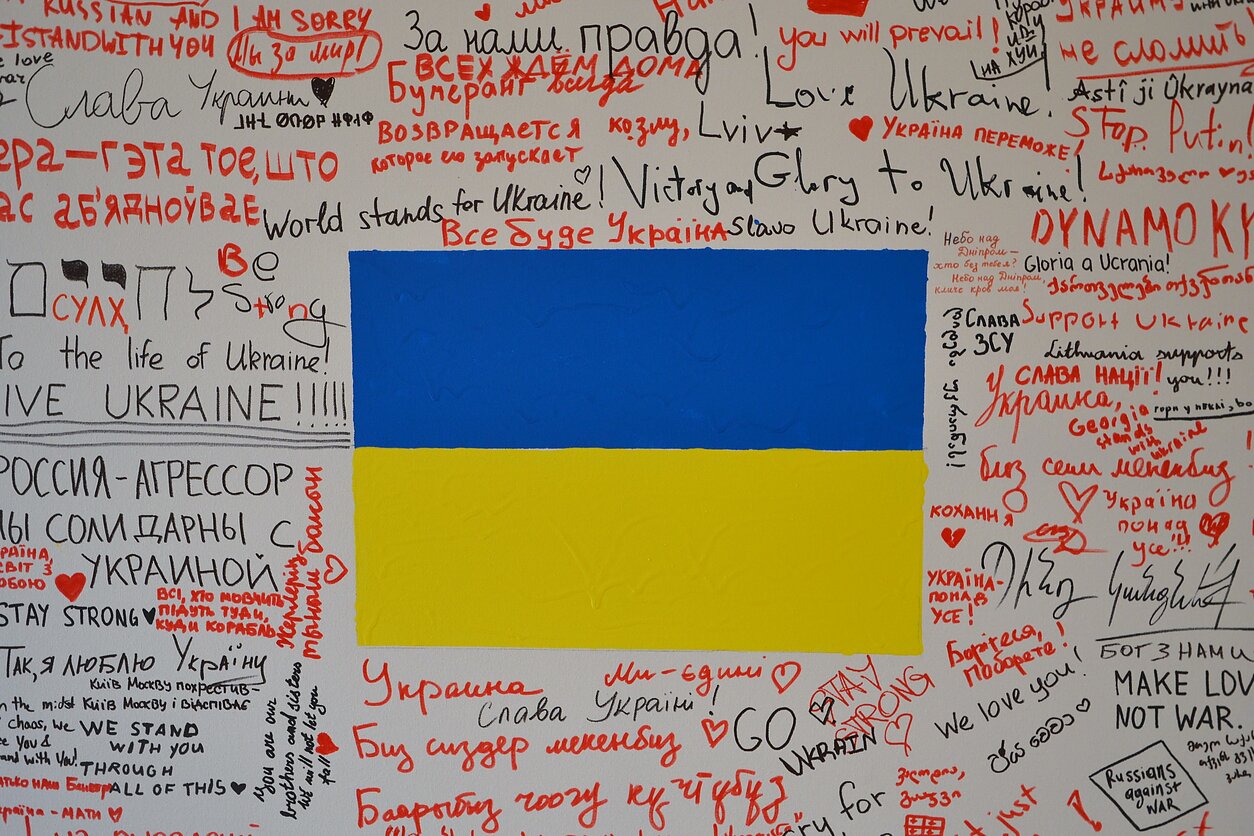
Around 200 young Ukrainians study at the LCC International University in Lithuania’s port city Klaipėda. When Russia started its brutal war against their homeland, they decided to help Ukraine and its people from Lithuania, although the decision to stay was not easy.
“I woke up and couldn't understand why my roommate was making so much noise, shouting into the phone. […] I realised what had happened when he turned to me and said, “It has started,” Oleksiy Korotych, one of the LCC students helping Ukrainians from Lithuania, said about the first day of the war.
“Then, suddenly everything fell out of my hands. I grabbed my phone, I saw a lot of messages from my relatives, as well as Instagram and Facebook posts with pictures of the war in Ukraine. My hands started shaking,” he added. “I called my parents, and they said they were packing up their things and getting ready to leave the country. I don't think I've ever been so stressed in my life as I was that morning.”
Oleksiy, who comes from Poltava, a city located between Kharkiv and the capital Kyiv, says he is worried about his family. His mother and brother fled the war to Estonia, but his father remained in Poltava with Oleksiy’s grandparents and other relatives.
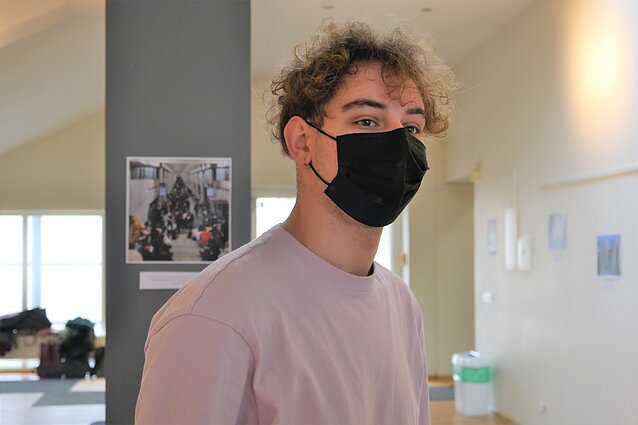
With a lot of pain, young people are watching the images of devastated Ukrainian cities, their compatriots hiding in shelters, as well as injured or killed people and children.
“Words cannot describe this pain. It’s simply heart-breaking. Some of us, and I sometimes, just stop ourselves – I take a break from information because I cannot take it all in, it’s just too much. It’s very painful,” Oleksiy said.
“I hope that the person responsible for all this will someday be able to feel the pain we are feeling right now,” he added.
No Russophobia
Sofia Memedova, another LCC student, is from Russia. The girl says she understands how much pain her country's government's aggression has caused and is still causing in Ukraine, and what her friends and colleagues are going through.
She was eager to join a group of students working to help the country resist Russia’s invasion but was afraid to hurt young Ukrainian’s feelings. However, she was welcomed by the Ukrainian students without any objections, Sofia said.
“They were very understanding and welcomed me to help. It doesn’t matter that I’m Russian. It matters that I support them. There is a lot of talk about Russophobia today, but I don’t feel it here at LCC International University,” the Russian girl said.
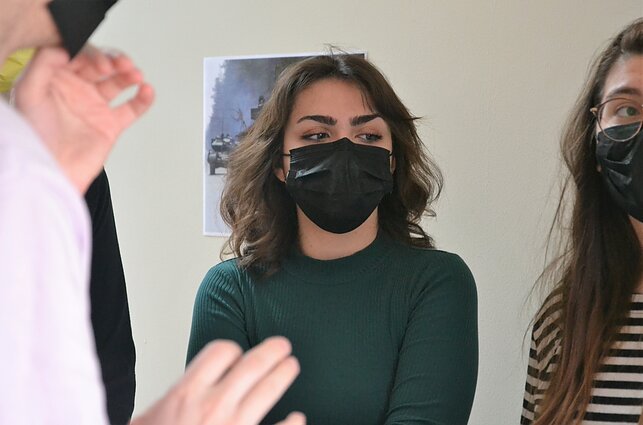
Sofia’s family lives in Russia, and some of her relatives do not understand her determination to help people suffering from Russia’s actions because they believe the propaganda spread by the Kremlin.
“My mom is quite liberal about this. I try to talk to her, tell her about the propaganda that is being spread in Russia, show her images from Ukraine that my friends send me or I find on social media. […] My mother understands that,” Sofia said.
“And my dad… He’s a bit older. He spent most of his life in the Soviet Union and... You see... I try to stay calm because otherwise, it would be very difficult. Today, I received a message from my grandmother, saying that I’m a disgrace to our family,” the girl added with tears in her eyes.
Emotional roller coaster
Tetiana Honcharenko, who comes from central Ukraine, says she has been experiencing different emotions every day since the beginning of the war.
“Sometimes, I feel depressed, sometimes, I feel fear, sometimes, to be honest, I feel anger. Sometimes, I’m filled with hope that we will emerge victorious from all this and be even greater than we were before the war,” Tetiana said.
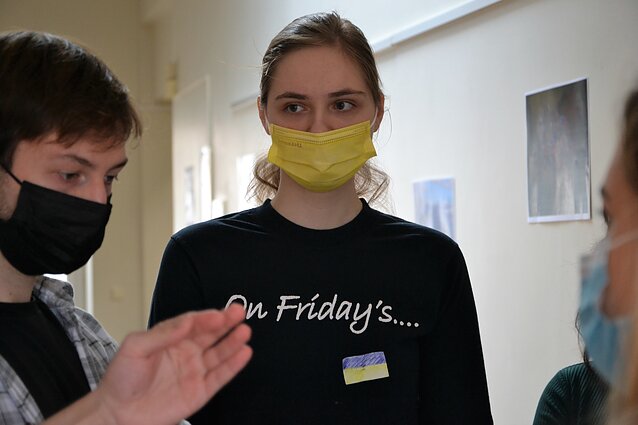
Karyna Karpishyna also said she was living in a constant state of waiting for the end of the war in her homeland.
“It’s like an emotional roller coaster. It’s very hard to be away from your country when you know there’s a war going on. I would like to go back home to my family and be with my friends,” Karyna said. “But I’m grateful to be here because I can take care of my family and support them emotionally.”
All students are worried about their relatives and try to contact them as often as possible.
“I call them every day. I talk to my brother and sister and other family members. It’s hard to be here, especially because you feel that you could help them. But at the same time, I realise that there is a lot I can do even if I’m here,” said Sophia Kozlovska.
Oleksiy and another Ukrainian student Ilya Tkachenko also considered going back to Ukraine and joining the Territorial Defence Forces. The decision was not easy to make, they said.
“My older brother returned to Ukraine from Poland to join the army. I wanted to do the same. But there are enough volunteers who have expressed their wish to join the army, so he is waiting in line. So, I decided to stay here. I believe I’m more useful here,” said Ilya.

Oleksiy also decided to stay in Lithuania after finding out that not all Ukrainians who returned to the country were sent to the front.
Currently, LCC International University students are working on a Ukraine Relief Initiative in cooperation with various other organisations.
“After a couple of days when the war broke out, we decided that we needed to do something. So, we got together and started thinking about what we can do, how we can help here in Klaipėda,” Oleksiy said.
The students opened an information centre in the centre of Klaipėda, which provides information for people who want to learn more about the situation in Ukraine and how they can help.
Psychological help
People from almost 60 different countries study at LCC International University, including 189 students from Ukraine, 33 from Russia, and 41 from Belarus.
When the war broke out, two Ukrainian students suspended their studies and left to defend their homeland.
“The community is diverse, but our job is to bring them together. A year ago, there was a conflict between Azerbaijan and Armenia, so we were also communicating, bringing those students closer together to help them understand the situation and feel safe,” said Aistė Motekaitienė of LCC International University.
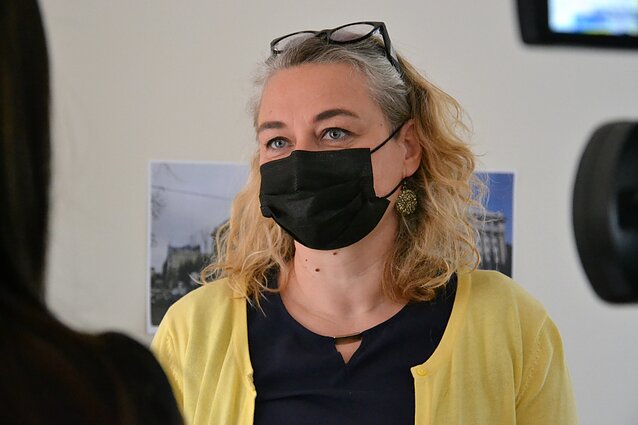
Psychologists working at higher education institutions have also been paying more attention to Ukrainian students' emotional state since the beginning of the war.
Ina Kamaitytė, a psychological counsellor at LCC, said that in the first days, it was difficult for young people to talk about what was happening in their homeland and how they felt about it. But now, they start talking, so group activities are being organised for them.

Newsletter
Every Friday morning.