









In olden days, people in Lithuania used to believe that a person’s afterlife will resemble their funeral, so burial rites were performed with great care.
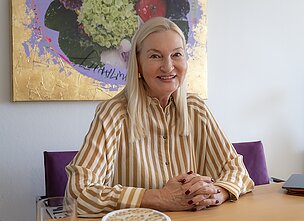
Cultural anthropologist Rasa Račiūnaitė-Paužuolienė describes the most unusual old funeral traditions.
Prayers for happy death
In the old Lithuanian culture, death was perceived as a natural part of life, so people would prepare for it their throughout their life. For example, the elderly used to build coffins for themselves and collect things they wanted to be buried with them, according to Račiūnaitė-Paužuolienė.
“In Lithuanian churches, people used to keep coffins with their names,” the anthropologist said.
Towards the end of their life, Lithuanians would often start looking out for various signs of imminent death. Bad dreams or seeing a bird hitting a window were just such ominous signs.
Religious women used to visit people right before death. Their duties were to prepare the dying for the “last journey” and talk to them about spiritual things.

Rural communities also played a significant role in traditional Lithuanian funerals. Neighbours helped one prepare for a funeral or build a coffin.
“They did not take money for it because it was considered to be a gift to the deceased,” Račiūnaitė-Paužuolienė said.
If someone died in an accident, people treated it as a bad death. That is why the elderly used to pray for a happy, natural death from old age.
According to the anthropologist, Lithuanians believed that a person’s afterlife would follow in the example of their funeral, so they tried to bury everyone properly.

Candles, flowers, and money
Until the beginning of the 20th century, corpses were laid out in the main rooms of the deceased person’s home. A body was first placed on a plank in the middle of the room lit by candles. It was put into a coffin only right before being taken to the cemetery.
Relatives of the deceased used to sprinkle spruce branches on the path leading from the gate to the main entrance. It was a sign that death had come to the house.
Back then, women used to bring a loaf of bread to the house of the deceased. There was also a tradition to bring candles, though later flowers and money became more common.
People used to gather in the house of the departed to pray for his or her soul. The vigil lasted at least three days.

Children’s prayers were particularly important. They prayed in a circle around the body. It was believed that this would help the deceased to reach the afterlife more easily.
“Today, parents are often reluctant to bring their children to funerals. In the past, kids were accustomed to death from an early age,” Račiūnaitė-Paužuolienė said.
According to the anthropologist, Lithuanians used to think that people needed to find out about their relative’s death immediately.
“People used to say that when a loved one dies, the entire family, including children, must wake up, otherwise, the deceased will take them together. Even animals were informed about their owner’s death,” she said.

If several deaths would befall one family, bodies would be carried out of the house through a window in order to “trick death”, according to Račiūnaitė-Paužuolienė.
Unbaptised children and people who had committed suicide could not be buried on consecrated ground. Their graves would usually be on the other side of the cemetery fence.
The mourning period used to last one year. During this time, relatives had to wear dark clothes, avoid celebrations, and postpone weddings.
In the past, people were buried with slippers, because shoes were very expensive. Deceased Christians had rosaries placed in their coffins. A handkerchief was also sometimes put in the coffin, so that the deceased had something to wipe their tears with if they got sad in the afterlife.
“If a man liked to drink, it was jokingly said that a bottle should be placed in his coffin. If a woman was a good seamstress, she had to be buried with a thread and a needle,” Račiūnaitė-Paužuolienė said.

Newsletter
Every Friday morning.