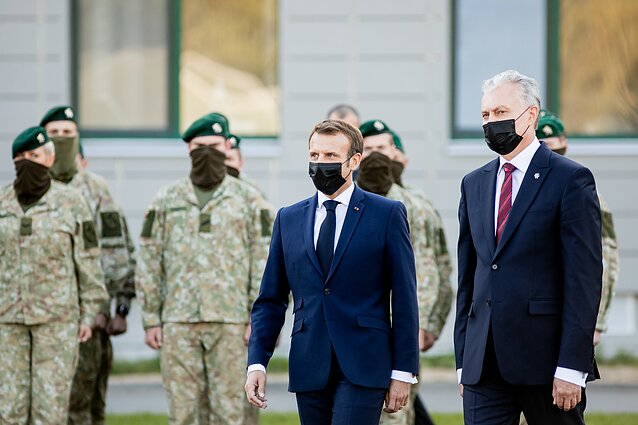




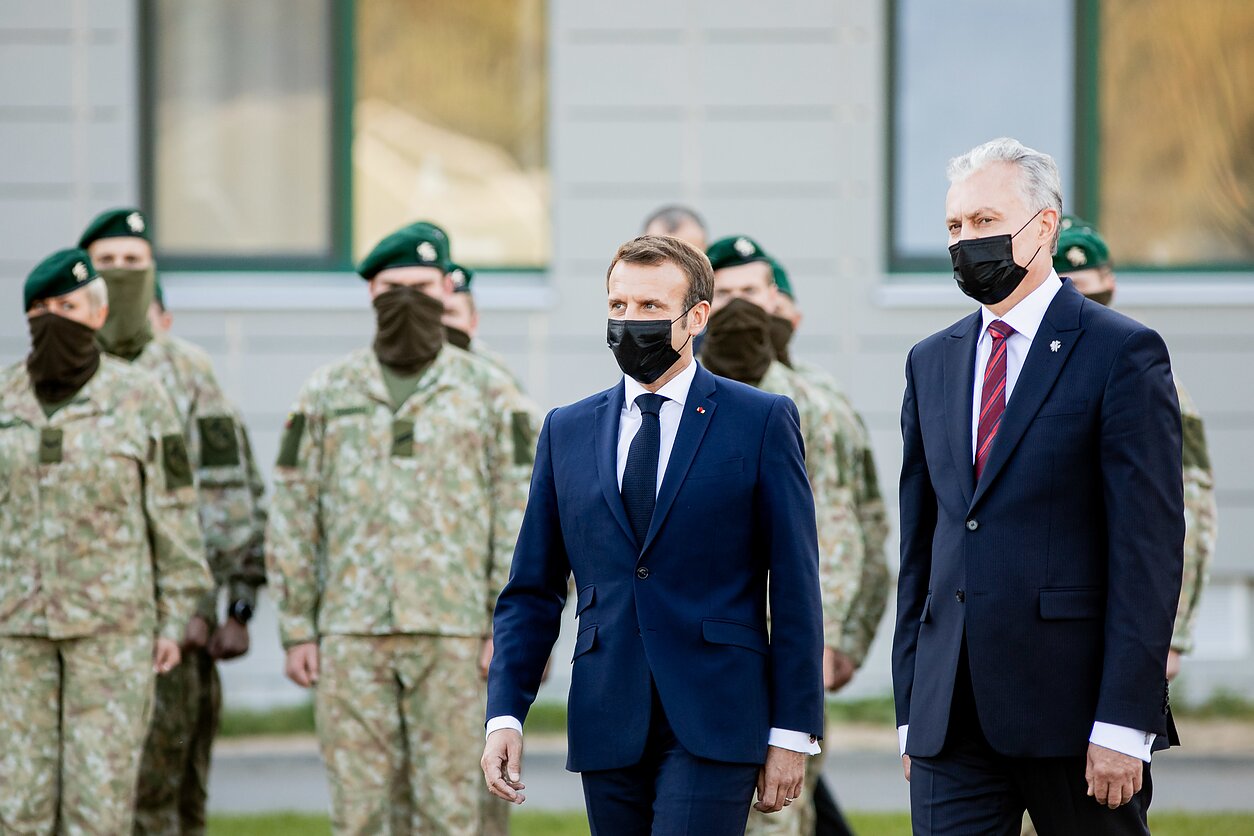
French President Emmanuel Macron has asked Lithuania to contribute to a military mission in Mali.
He sent a letter to Lithuanian President Gitanas Nausėda in late June, which had not been previously reported.
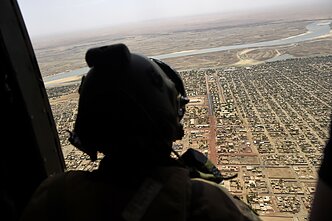
France has been trying to secure support from Lithuanian politicians for its request to contribute troops to the so-called Takuba task force, a European special forces mission helping Mali's forces to fight jihadists.
“I wanted to assure you that a contribution from your country would be particularly useful and valuable,” Macron said in the letter seen by BNS. “I hope [...] that we can count on your support.”
Paris has been asking Lithuania to ramp up its presence in the region for years. Discussions in Lithuania on the matter resumed last spring.
French diplomats in Vilnius have been in contact with the Defence Ministry on the matter for some time now. They say Lithuania's contribution to the African mission would not only be a gesture of solidarity with France, but also a new opportunity for Lithuanian troops to gain battlefield experience following their withdrawal from Afghanistan.
Read more: Lithuania considers sending troops to French-led operation in Mali

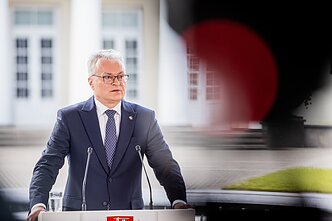
Lithuanian President Nausėda has not yet said whether he approves of the French request.
Lithuania should make its final decision on troop deployment this year.
‘New framework for collective military engagement’
In the letter, Macron tells Nausėda that Paris is reviewing the international military presence in North Africa.
In early June, the French leader announced that France's Barkhane operation in Mali would be replaced by a broader international mission.
“With our Sahelian, American and European partners, we are currently conducting consultations in order to define a new framework for collective military engagement, which will be based on two main principles: the support of our partners in the fight against terrorism, and enhanced operational cooperation with partner armies in the Sahel who so wish, in close collaboration with the European training mission EUTM Mali,” Macron wrote in the letter.
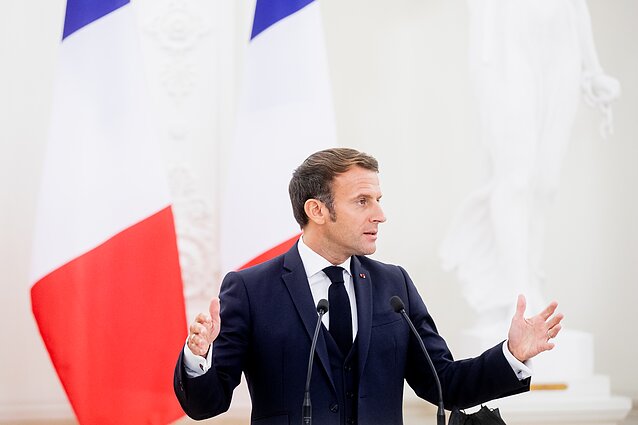
The Takuba task force “will remain a key element of this future system, which we will further strengthen,” he added.
According to the French president, the current Takuba partners intend to increase their participation and new partners are considering joining the mission.
“Confident in this direction, new partners have confirmed their intention to join or are considering an increased participation,” he said. “Finally, some have already started the political validation process necessary to be able to confirm their operational commitment.”
This week, the Norwegian government announced its decision to send soldiers to Takuba, becoming the ninth country to contribute to the task force.
Takuba currently consists of around 600 troops. Apart from France, soldiers have been deployed by Belgium, Estonia, Italy, the Netherlands, the Czech Republic, Portugal and Sweden. Denmark has pledged to do so in 2022.
State Defence Council's approval to be sought
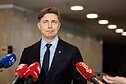
Nausėda's spokespeople say that Lithuania will decide on deploying troops to Mali this year, noting that the country's contribution in Africa is already significant.
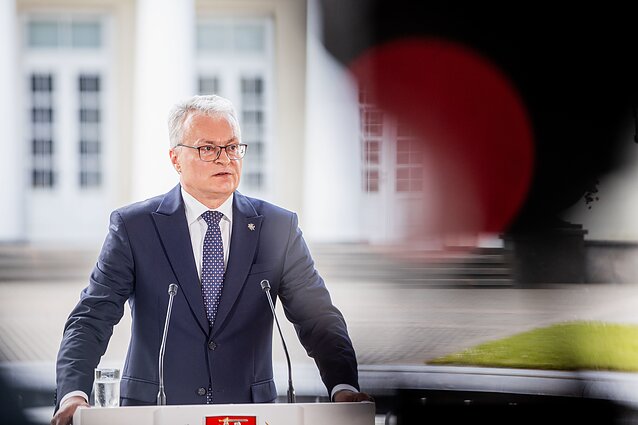
“Currently, most of Lithuania's troops involved in international missions and operations are deployed to the African continent,” the president's Communication Group has told BNS in a comment.
“Lithuania's contribution to international security through participation in operations and missions, given the size of the Lithuanian state and its armed forces, is already significant.”
“All new initiatives and possible alternatives are being carefully evaluated; the decision must be in the best interests of Lithuania's security,” it said.
Currently, around 500 Lithuanian troops are taking part in two military missions in Mali and one mission in the Central African Republic.
The parliament's mandates for sending Lithuanian troops to international missions have to be renewed every two years.
Nausėda will convene a meeting of the State Defence Council before asking the parliament to renew the mandate for 2022–2023, according to his office.
The council is chaired by the president and also consists of the prime minister, the parliament speaker, the defence minister, and the chief of defence.
In late May, the Lithuanian parliamentary Committee on National Security and Defence discussed the country's possible contribution to the task force in Mali and recommended that the government consider the possibility.
Deputy Defence Minister Margiris Abukevičius has said recently that the ministry has “a positive view” about Lithuanian troops participating in Takuba.

Newsletter
Every Friday morning.