









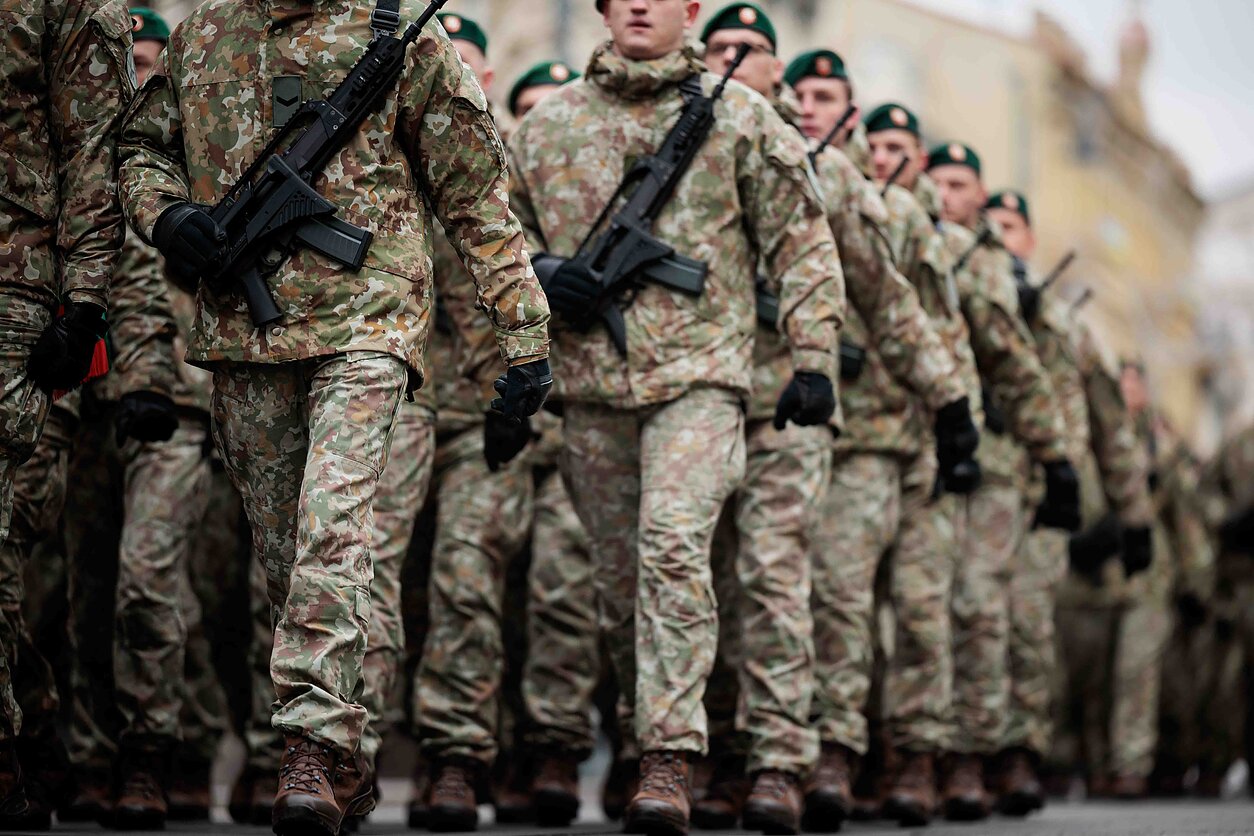
Lithuania's defence ministry is seeking to purchase body armour for the armed forces without going through standard public procurement procedures, bypassing the competitive tendering process normally required for major government contracts.
The Defence Materiel Agency plans to buy the vests from Safariland Lithuania, and the ministry has asked the government to approve the move.
Security exemption invoked
The ministry argues the exemption is permitted under the Treaty on the Functioning of the European Union, which allows member states to take measures deemed necessary to protect essential security interests connected to the production of, or trade in, arms, munitions and war materiel.
It says the vests will offer Level IV protection under the US National Institute of Justice standard – the highest rating of ballistic protection under that system, designed to stop a range of military-grade ammunition.
Officials argue that buying from Safariland Lithuania would keep production close to where the equipment is actually used, and say an open tender would not allow the ministry to select a specific manufacturer of such specialised kit.
At least 12,000 sets planned
The Defence Materiel Agency is expected to purchase at least 12,000 sets of body armour, though the total value of the contract has not been made public.
The ministry said Safariland Lithuania was chosen for its technical capacity to manufacture and supply the equipment required.
The company is owned by Netherlands-registered The Safariland Group Nederland, itself owned by Hong Kong-registered The Safariland Group Hong Kong Limited. Its ultimate beneficial owner is the US businessman Warren Kanders. The ministry said it currently had no information suggesting the company posed any threat to national security.
Competition concerns
Lithuania's Competition Council had previously questioned whether awarding the contract to a single supplier amounted to an unjustified restriction of competition, and stressed the need to establish how much of the manufacturing process actually took place in Lithuania, as well as how dependent supply chains were on foreign-made components.
After the proposal was revised, neither the Competition Council nor other ministries raised further objections.

Newsletter
Every Friday morning.