











A Lithuanian citizen has been sentenced to 15 years in a high-security prison in Belarus on espionage charges, in a case Lithuanian officials say reflects ongoing pressure from Minsk.
Miroslavas Trockis, 35, travelled to Belarus in the autumn of 2024 to visit relatives but was later detained and did not return home. His name has since appeared on lists of political prisoners published by rights groups.
Maryna Kasinierava, founder of the organization Dissidentby, said little information is available about the case due to its nature.
“It is difficult to say anything about Miroslavas’ persecution, because all information in Belarus is being concealed. He is a foreign citizen, a Lithuanian, so Belarusian authorities treat this as espionage for Lithuania. Information is withheld even from relatives,” she said.
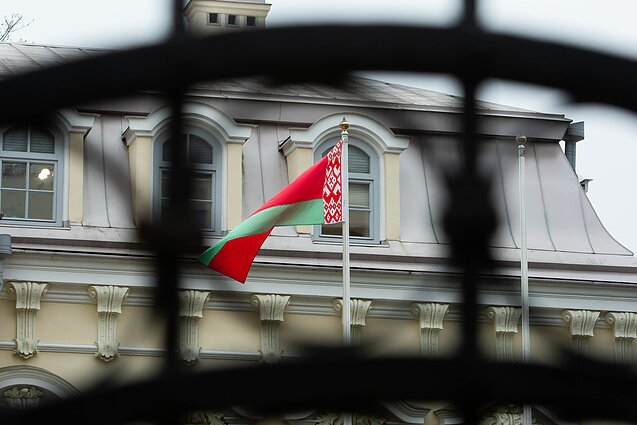
Lithuania’s embassy in Minsk said it had been informed about the detention, that a consul has visited Trockis, and that contact with his family is being maintained. Further details were not disclosed due to personal data protection.
Rimantas Sinkevičius, chairman of the parliamentary Committee on National Security and Defence, said the case highlights the risks of travelling to Belarus.

“This is another example that anyone, at any time, for any reason, can be detained, convicted and imprisoned, as the legal system in that country does not function,” he said.
According to Lithuanian diplomatic data, eight Lithuanian citizens are currently imprisoned in Belarus.
Viktorija Čmilytė-Nielsen, parliament member and leader of the Liberal Movement, said the case demonstrates that the Belarusian government increases pressure when it perceives weakness.
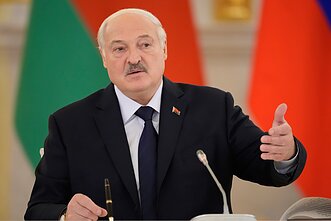
“This is the price paid for showing weakness. The regime of Alexander Lukashenko has repeatedly shown that attempts to accommodate it only lead to greater pressure,” she said.

Prime Minister Inga Ruginienė said Lithuania remains open to dialogue with Minsk at the vice minister level, but only if certain conditions are met, including an end to smuggling with weather balloons, the return of detained trucks and a halt to irregular migration across the border.
“When developing dialogue, each side must do its homework. We have done ours and are ready, but we want to see the same from the other side,” she said.
However, some politicians oppose any attempt to restore ties. Laurynas Kasčiūnas, leader of the conservative Homeland Union (TS-LKD), said discussions about improving relations amount to yielding to Minsk.
Political analyst Vytis Jurkonis said Belarus is likely to use political prisoners as leverage against Lithuania.
“This behaviour resembles tactics used in terrorism, where pressure and threats are used to achieve goals,” he said, adding that Minsk seeks recognition, negotiations and the lifting of sanctions.
Sinkevičius also expressed scepticism about improving relations, saying threats to Lithuania’s national security from Belarus have not diminished.
Meanwhile, John Coale, the United States’ special envoy for Belarus, has urged Lithuania to consider holding bilateral political talks with Minsk.

Newsletter
Every Friday morning.