












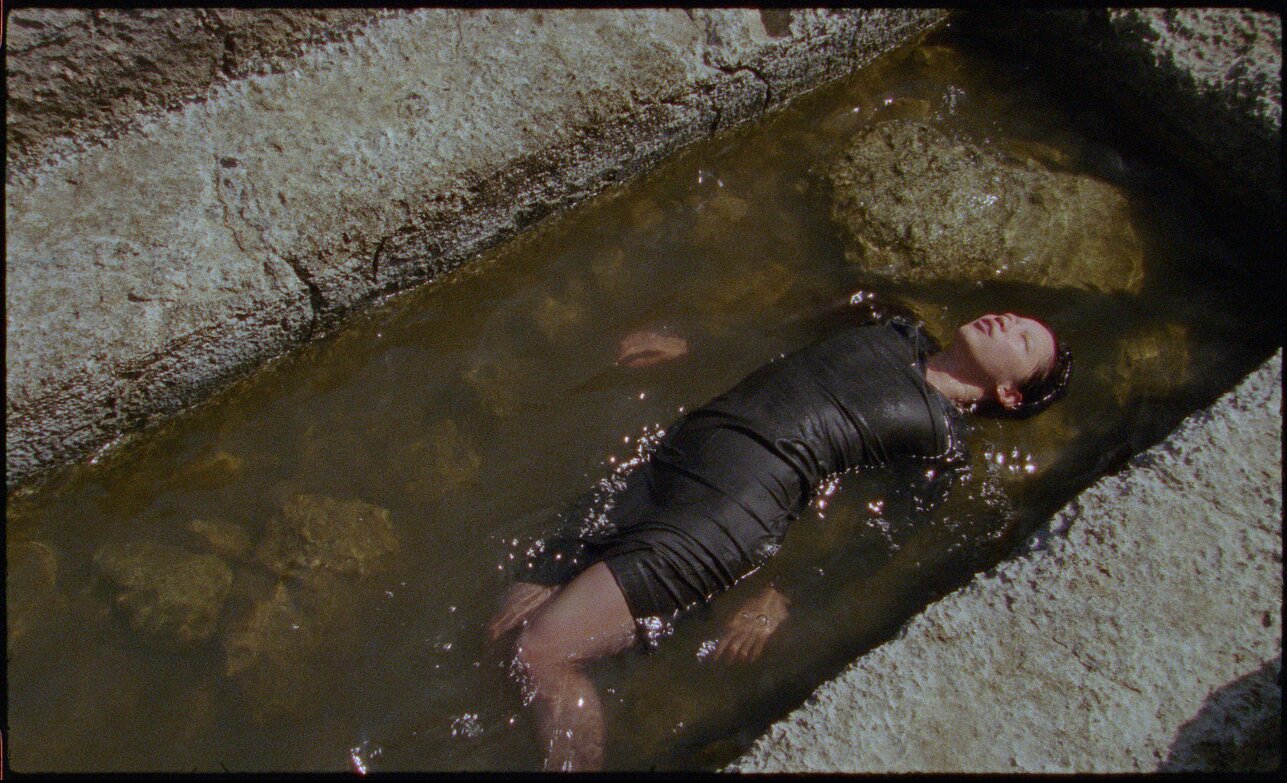
National Gallery of Art has presented the work that will represent Lithuania at the Venice Biennale, a film installation by artist Eglė Budvytytė.
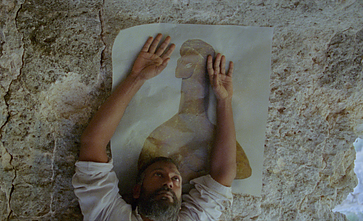
Titled “gyva gyva-ta” (“animism sings anarchy”), the piece is a series of performances examining the prehistoric worldview of archaeologist Marija Gimbutas through the lens of animism.
The Lithuanian pavilion will be housed in the former forge Fucina del futuro and will run from May 9 to November 22. It is curated by the Lithuanian National Museum of Art.
Budvytytė said the work focuses on animism, a worldview that treats nature and all forms of life as sacred, drawing on Gimbutas’ research into anthropomorphic figurines.
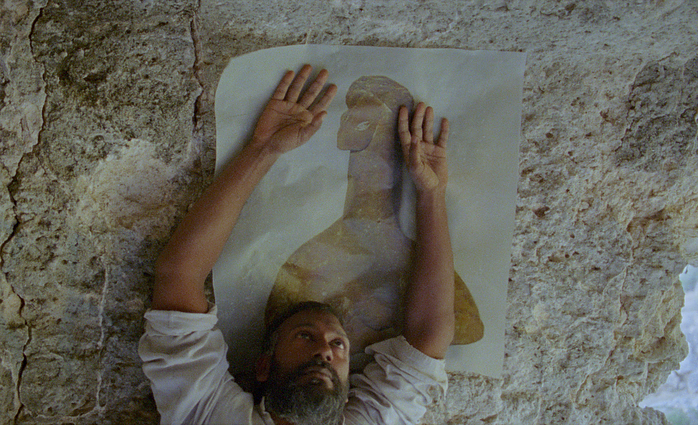
“They are partly animal, partly human, partly vessel-like forms. Together with the team, we focused on the animism aspect in her research and tried to translate it through movement, the body and songs into images,” the artist said at a news conference Tuesday.
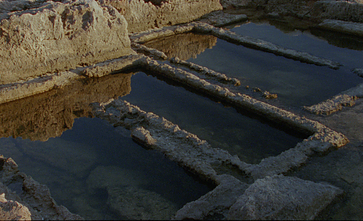
The film was shot in Rome and in southeastern Italy near the Neolithic water cult site Grotta Scaloria, where Gimbutas and other archaeologists conducted excavations in the 20th century.
Budvytytė said rehearsals took place in Amsterdam, where performers worked with imagery inspired by figures from Gimbutas’ books before adapting choreography on location in Italy.
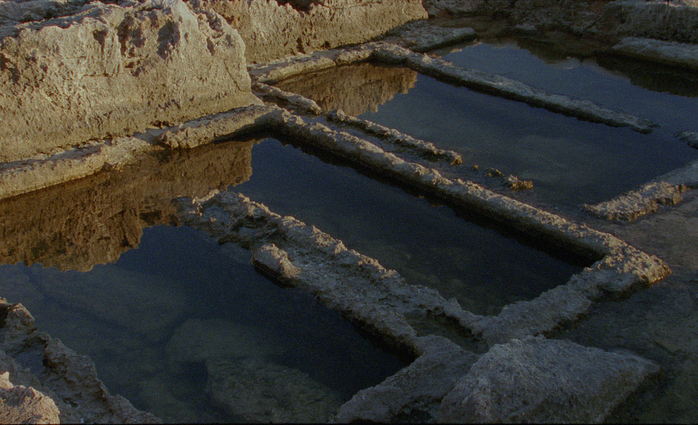
The approximately 80-minute installation will be shown across three screens in multiple spaces, without a fixed viewing sequence. Visitors will be able to move between screens and watch the film from any point. The work features spoken and sung elements, including in Arabic and Mandarin.
Budvytytė said the title was conceived as a kind of incantation, combining themes of animism and anarchy.
“We live in a ‘gyvata’ that is dying, in a specific and difficult historical moment. I wanted the title to act as a counterweight to the violent destruction of life by empires,” she said.
Pavilion commissioner Lolita Jablonskienė, director of the National Gallery of Art, said the title carries meaning shaped by the artist but remains open to interpretation.
“The word ‘anarchy’ should not be understood too literally. Those expecting a lot of anarchy may be disappointed, as they will see a very poetic film,” she said.
Jablonskienė also said Lithuania does not plan to withdraw from the biennale over the participation of Russia, but intends to express its position during the event.
She said representatives of the Baltic states have submitted a protest to the biennale’s leadership and are discussing with partners in Estonia and Latvia how to convey their stance in Venice.

Newsletter
Every Friday morning.