








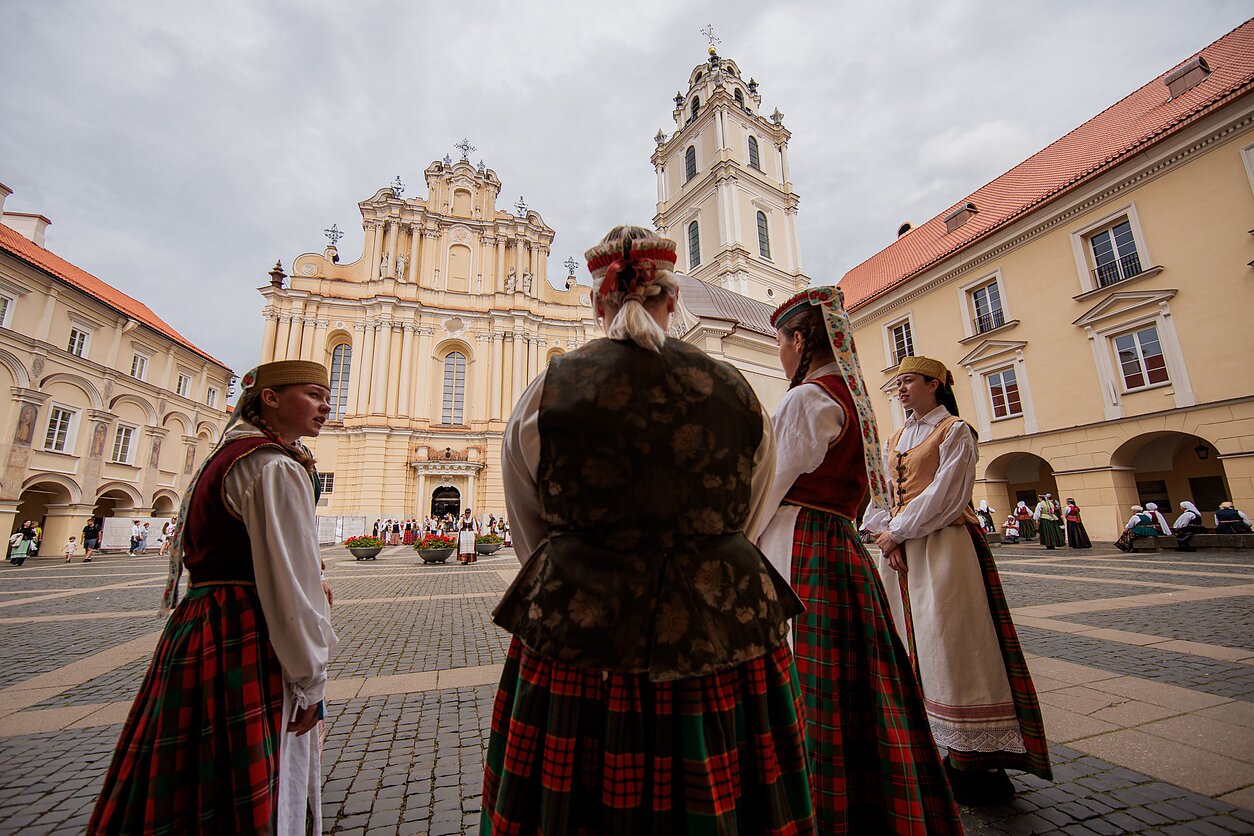
Lithuania will mark 2026 as the Year of the Kanklės, honouring the 120th anniversary of the country’s first kanklės ensemble, founded in Skriaudžiai in the Prienai district.
The decision was announced by the Council for the Safeguarding of Ethnic Culture, which said events will take place across Lithuania and in Lithuanian communities abroad to highlight the significance of the traditional stringed instrument.
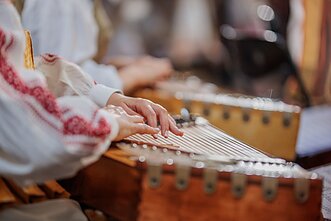
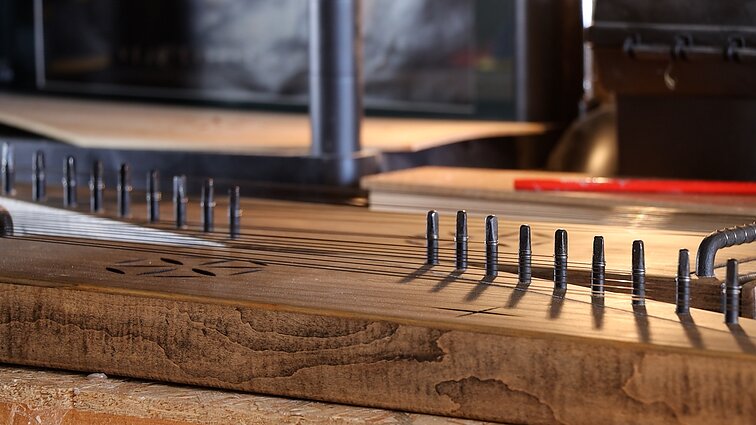
The kanklės, a plucked zither-like instrument central to Lithuanian folk music, typically has between five and 12 strings in its traditional form.
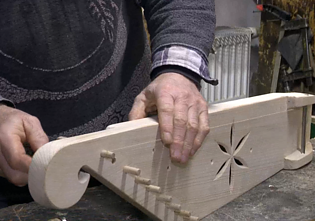
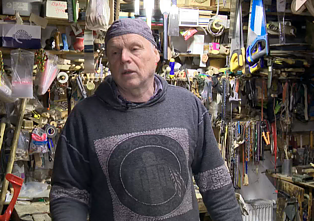
Craftsman Jonas Bugailiškis made his first kanklės four decades ago and has built more than 1,000 instruments since.
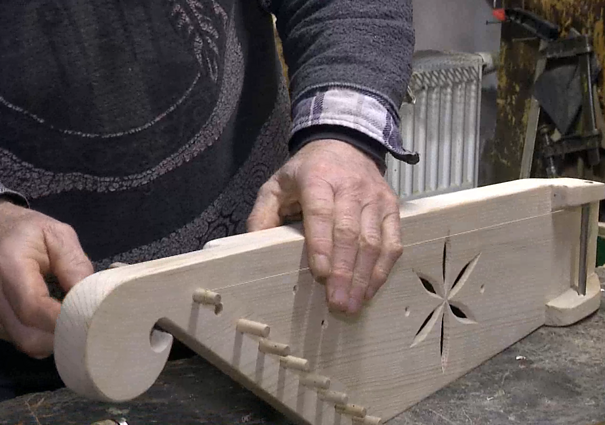
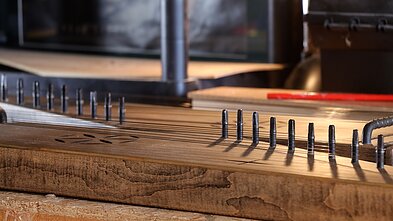
“Because this string is too long, we trim it a little,” Bugailiškis said in his workshop.
He makes kanklės from maple, ash, spruce and black alder, noting that the type of wood determines the instrument’s sound. The process begins long before work in the workshop, with careful selection of timber.
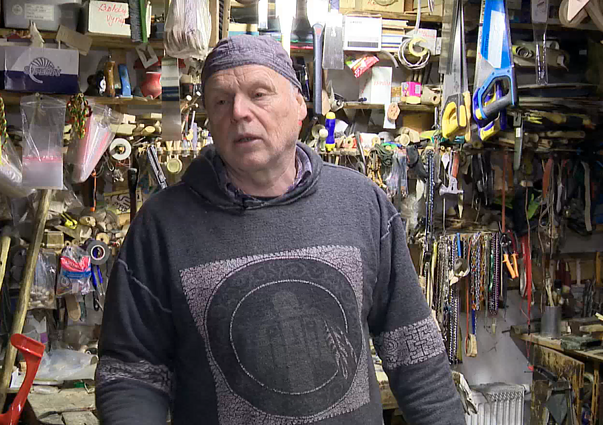
“The essential thing is to pay attention to the growth rings – they should be as narrow as possible,” he said. “If it’s spruce, it should have grown as slowly as possible. The slower it grows, the narrower the rings.”
“It’s a whole process – chemistry, physics, resins and so on – that gives the wood certain acoustic qualities,” he added.
Bugailiškis said making a kanklės requires not only the right mindset but also expertise, as the instrument is highly individual. He often asks customers who will teach them to play it.
“If they don’t know how to play, I ask who will teach you. Then they come with their teacher, because every teacher instructs a little differently,” he said.
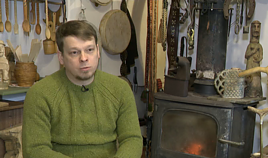
He is passing on his craft to his son Domantas, who first learned to play the kanklės and later began making the instrument, following his father’s example.
“I’d say, ‘Let me try using that chisel and see how it all works.’ It’s actually quite tough, though when you watch Dad it looks so simple,” Domantas Bugailiškis said.
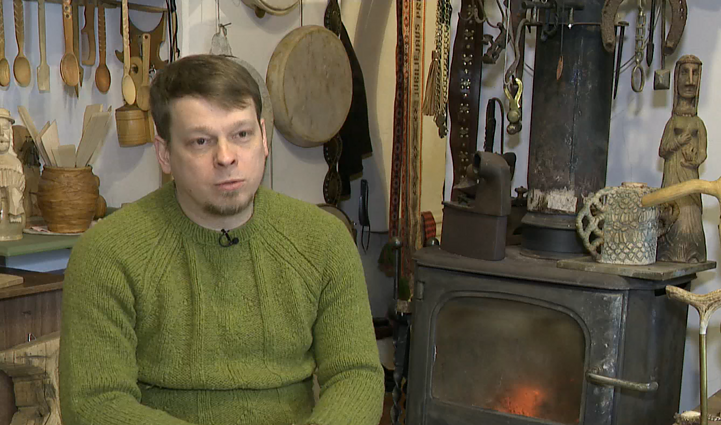
Domantas describes himself as his father’s apprentice and plans to continue the tradition.
“I see the vision. I want these same workshops to be a place for education and training, where kanklės culture and folk culture in general are nurtured,” he said.
Dalia Urbanavičienė, chair of the Council for the Safeguarding of Ethnic Culture, said the yearlong program aims to highlight traditional kanklės as a symbol of national identity and to encourage a return to authentic forms.
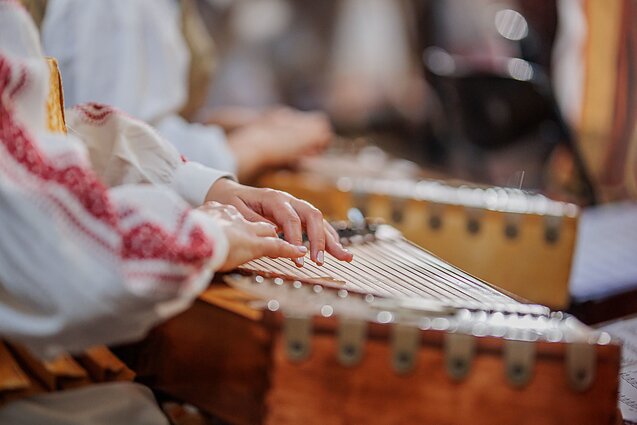
“For Lithuanians, the kanklės has truly been a sign of identity. There is enormous diversity, and we want to spread that and promote a stronger focus on authenticity,” she said.
Although the exact number of kanklės ensembles in Lithuania today is unknown, ethnomusicologists say nearly every folklore group includes at least one kanklės player. Various circles of players, particularly among young people, have been forming in recent years.
Organisers say the Year of the Kanklės will include six major concerts in Vilnius, Kaunas and Veiveriai, with a closing concert at the end of the year at the Kaunas Centre of Ethnic Culture.

Newsletter
Every Friday morning.