









Lithuania is allocating a record 4.79 billion euros to defence this year, with more than one-third of the budget earmarked for the acquisition of major weapons systems, according to publicly released information on defence spending plans.
Officials say no major new procurement contracts are expected this year or in the near future, as funds will largely go toward instalment payments for previously ordered tracked infantry fighting vehicles, tanks, artillery and air defence systems – purchases intended to equip a full military division. The remaining funds will be used for infrastructure development, salaries for soldiers and civilian personnel, and routine operating costs.
Defence spending this year amounts to about 5.38% of Lithuania’s GDP, a sharp increase from previous years and the highest level since the restoration of independence. Lithuania had long pledged to spend at least 2% of GDP on defence after joining NATO, a goal that took nearly 15 years to fully implement.
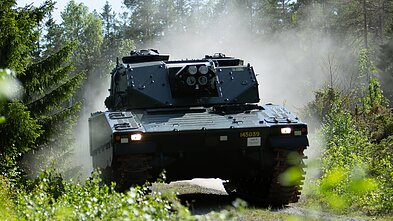
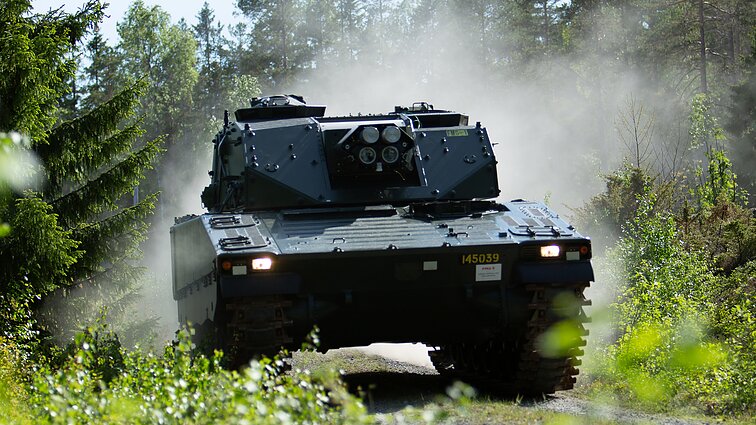
A significant portion of this year’s budget will go toward continued payments for key acquisitions made in recent years. Lithuania has ordered 100 CV90 Mark IV tracked infantry fighting vehicles and plans to spend about 375 million euros on them this year. Under an industrial cooperation agreement with Sweden, Lithuanian companies will also take part in the production process.
Payments will also continue for 44 Leopard 2A8 tanks – enough to equip a battalion – with about 350 million euros allocated this year. The tank purchase is the most expensive single acquisition and will require several hundred million euros more in the coming years.
Lithuania has also ordered 30 additional CAESAR self-propelled howitzers, bringing the total to 48 systems. That will make Lithuania the world’s second-largest operator of the French-made artillery system after France. About 100 million euros is expected to be paid this year, and the deal includes industrial cooperation, with France investing 12 million euros in repair facilities in Lithuania, as well as training, simulators and spare parts.
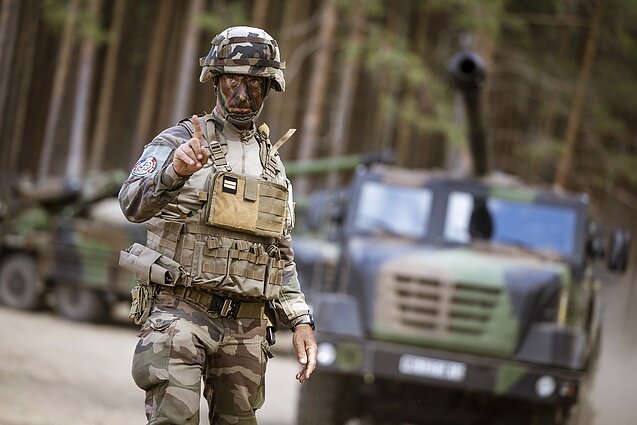
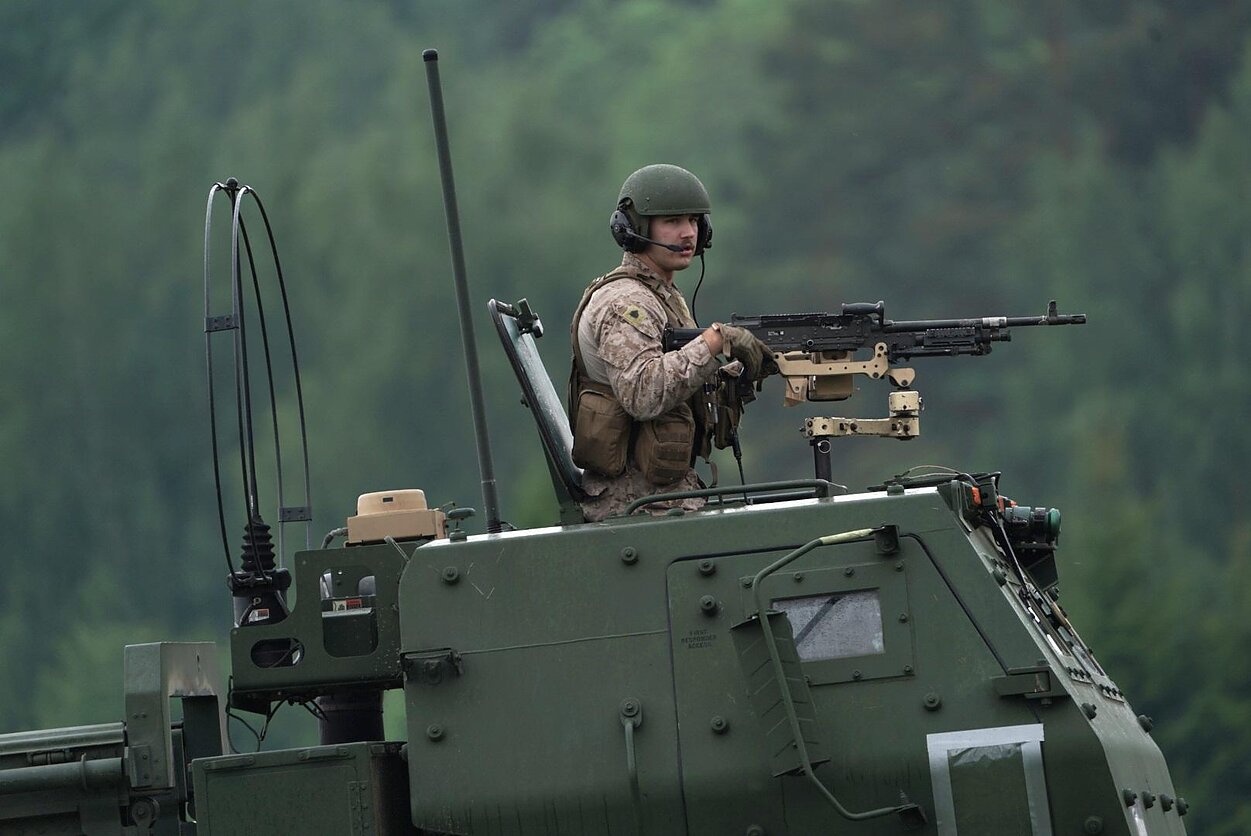
The military is also awaiting deliveries of eight HIMARS multiple rocket launcher systems, widely used by Ukraine. About 70 million euros will be paid to US manufacturers this year. In addition, roughly 100 million euros will be allocated for a fourth NASAMS medium-range air defence system.
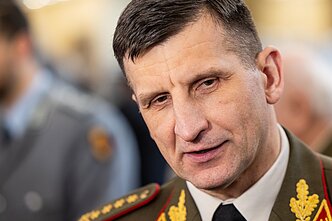
Army commander Gen. Raimundas Vaikšnoras said Lithuania expects the first HIMARS batteries to arrive this year and stressed the importance of sustained funding.
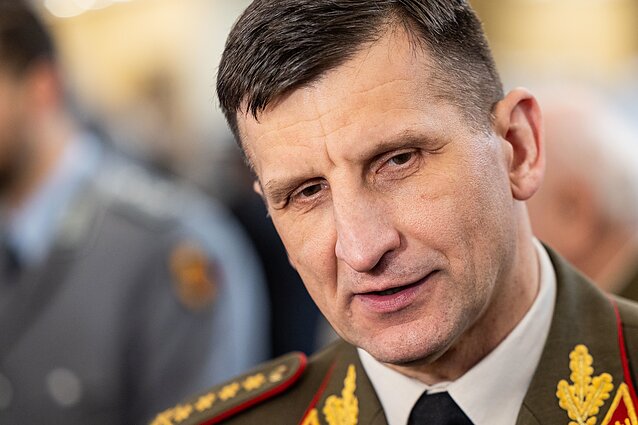
“Sustainability of the defence budget is extremely important,” Vaikšnoras said, noting ongoing investments in air defence, ammunition and other capabilities.
Many of the major procurement contracts were signed by previous defence ministers following Russia’s full-scale invasion of Ukraine in 2022. Current officials have limited flexibility, as more than a third of this year’s defence budget is committed to payments for existing orders linked directly to the development of Lithuania’s division-level force.
The division is expected to reach full operational capability by 2030.

Newsletter
Every Friday morning.