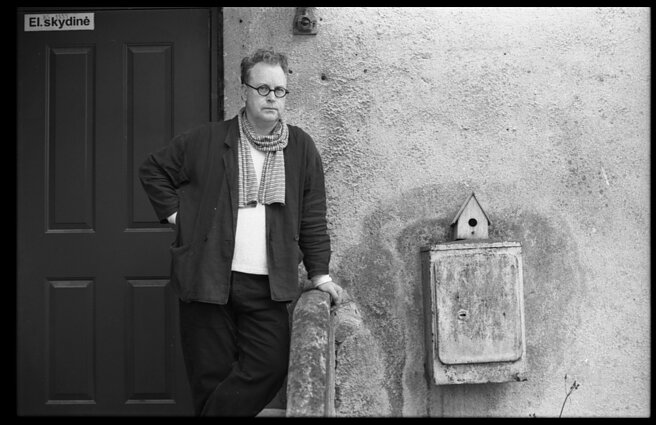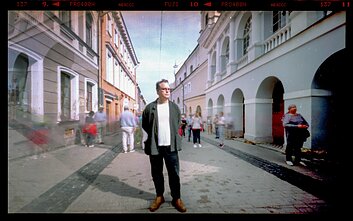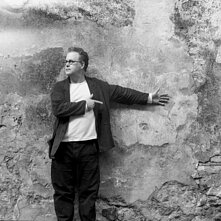












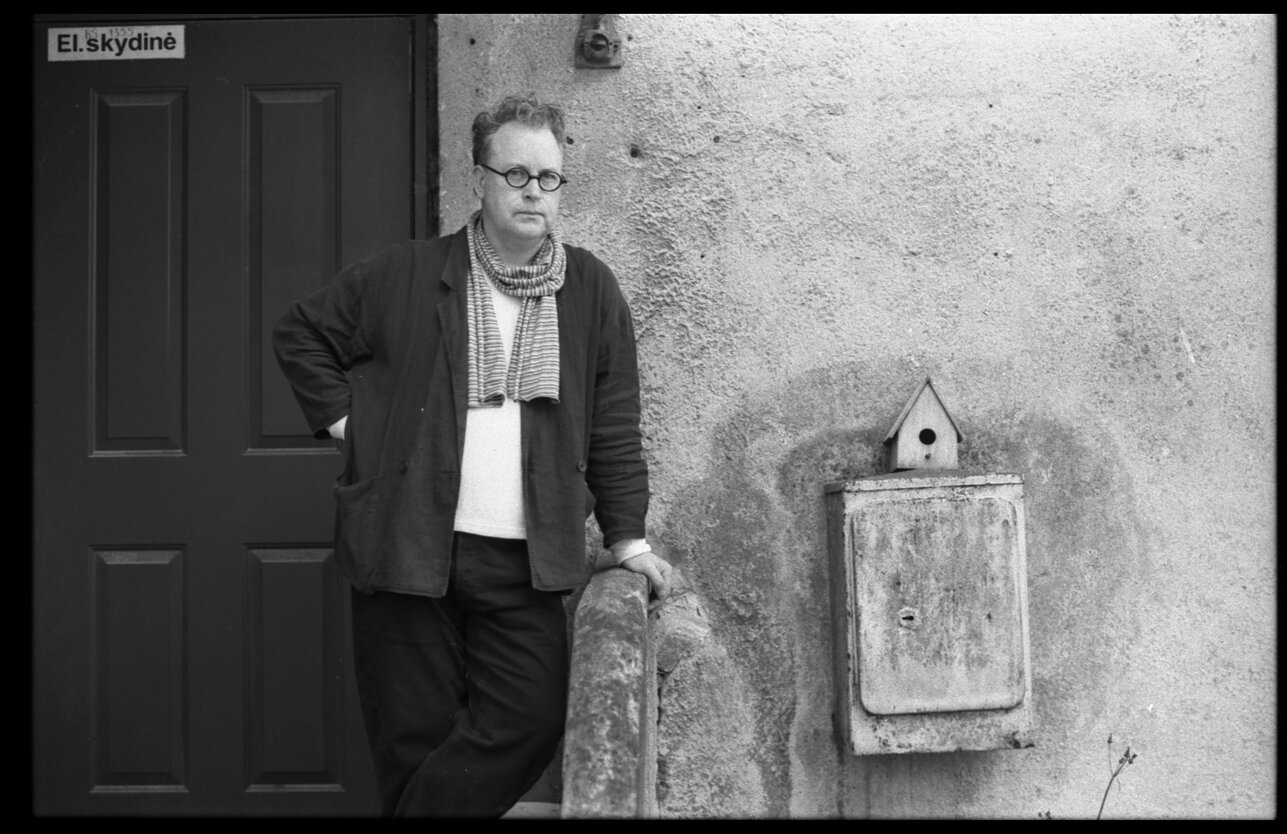
For composer, cellist, and director of the avant-garde ensemble Apartment House, Anton Lukoszevieze, gaining dual citizenship in Lithuania in 2021 meant more than a passport – it affirmed a lifelong connection to Europe and to the country he now calls home.
“It makes me feel very good – especially after Brexit. Having a European passport again is fantastic,” he says.
It wasn’t easy. The process took 18 months and came with all the paperwork you’d expect: forms, a detailed CV, a written statement, and finally, a formal interview – not just with officials, but with the president of Lithuania himself.
“I feel privileged,” Anton says, describing the rare exception Lithuania makes for citizens who have contributed to the country’s international reputation. “I was lucky.”
Anton is one of the relatively few people who hold Lithuanian dual citizenship. The country’s law generally prohibits multiple nationalities, but makes an exception for individuals with “special merits” to Lithuania. Under Article 20 of the Law on Citizenship, the President may grant citizenship by exception to foreign nationals whose activities have “significantly contributed to the consolidation of statehood... and to promoting its authority in the international community”.
For an artist whose life and career have spanned the UK, Europe, and beyond, it’s a meaningful recognition. “I was lucky,” Anton says. “It seems to be given to people who have advanced the standing of Lithuania in the world.”
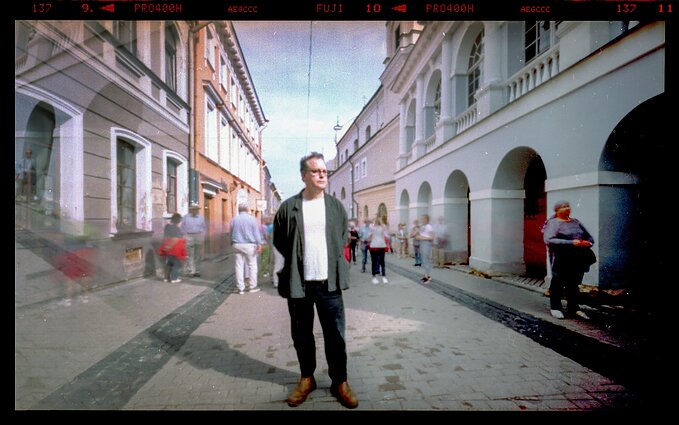
Anton’s story is also one of linguistic migration. “My family name was originally Lukoševičius,” he explains. “On immigration documents to the UK, it was changed to Lukoszeviecze, then misspelt again as Lukoszevieze. So my name is an altered spelling mistake. No one pronounces it correctly unless they hear me say it.”
Despite the complications of names and nationality, his music has long spoken fluently across cultures. As director of Apartment House, he’s helped bring avant-garde and experimental composers into the spotlight – work that earned Apartment House a Royal Philharmonic Society Award, one of the UK’s highest honours for classical musicians.
After Brexit, the desire to retain EU mobility prompted thousands of British citizens to apply for citizenship in EU countries – though the process proved complex and restrictive. According to Eurostat, over 114,000 Britons acquired EU passports, with Germany and Ireland seeing the largest numbers.
Ireland granted over 50,000 of these citizenships, largely due to the Common Travel Area and provisions for those with Irish ancestry, while Germany naturalised around 31,600 British nationals, often after lengthy residency. Other popular destinations included France, Spain, and the Netherlands, each granting several thousand new citizenships to Britons.
Though Brexit brought legal and logistical shifts to countless lives, for Anton, it also brought something deeper: a sense of disconnection. “It’s more psychological than practical,” he says about the post-Brexit landscape. “But I like the freedom of movement. Having a European passport again is fantastic.”
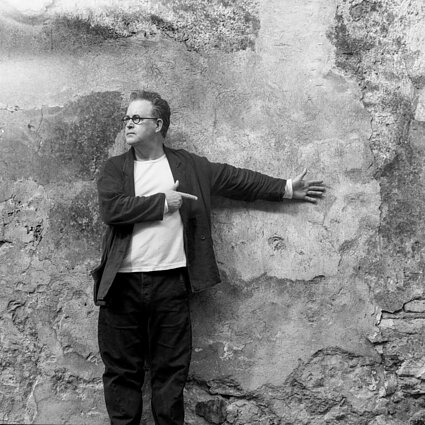
And while his own music career hasn’t been heavily impacted, other musicians have felt the difference. Anton notes, “I’ve heard of British music groups having problems travelling around Europe. Some had bureaucratic problems, especially with touring and equipment.”
Indeed, industry voices describe post‑Brexit touring as a “complete nightmare”. One Times exposé says artists now face convoluted paperwork, higher costs, and are often forced to hire European transport firms due to cabotage rules.
Although Anton still visits the UK regularly – “We have a flat in London, I come once a month or so” – Vilnius is home now. “I plan to stay here,” he says.
“The streets are cleaner. Transport is cheaper, more organised. It feels calmer here, less aggressive than the UK,” he explains. “I don’t have a car. I just walk everywhere.”
His experience is backed up by the city’s reputation: praised for being exceptionally clean – even in Conde Nast Traveller – the European capital with the best value in 2024, partly thanks to its attractive, well-maintained streetscapes and its tidy public spaces. Transport too. A Post Office “City Costs Barometer” placed Vilnius as not just the cheapest European city break, but highlighted its affordable public transport, with a two-day transport pass being a fraction of equivalent UK costs.
When asked to sum up Lithuania in three words, Anton’s answer is simple: “Happy People Living.”
Now holding passports from both nations, he’s free to cross not just borders, but cultures, perspectives, and creative spaces. Whether composing experimental scores or walking the streets of Vilnius, his story is one of dual belonging – shaped by movement, music, and meaning.

Newsletter
Every Friday morning.