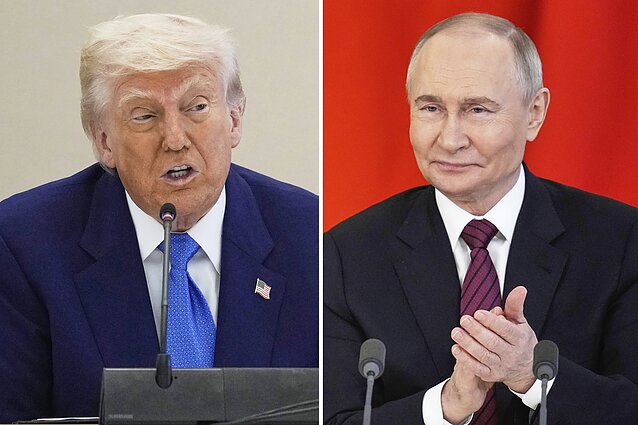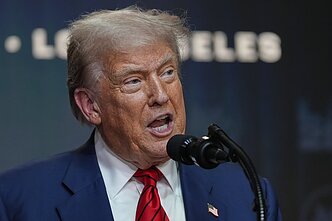















A ten-day deadline set by Donald Trump for Moscow to agree to peace in Ukraine expires on Friday. The US president has also announced the deployment of two nuclear submarines closer to Russia, and later said he would meet Vladimir Putin in the coming days.
Although some of these steps appear to mark a sharp shift in the president’s stance towards Moscow, analysts say his forceful but vague pronouncements have done little to unsettle the Kremlin.
“It is true that Trump has recently been more critical of Moscow – a surprising turn given his earlier tendency to blame Ukraine’s president, Volodymyr Zelensky, for Russia’s invasion,” said Keir Giles, a senior fellow at the think tank Chatham House and author of books on Russian politics.
“Nevertheless, there is still no sign that Trump intends to match his words with meaningful action.”
Deterrent effect questioned
Responding to provocative social media messages from former Russian president Dmitry Medvedev, Trump announced on Friday that he had ordered two nuclear submarines to be sent “to the relevant regions”.
He did not clarify whether these vessels were nuclear-powered or armed with nuclear weapons, nor did he disclose their locations.
But even if US nuclear-armed submarines have been moved closer to Russia’s shores, “this will not change the strategic balance”, said Rafael Loss, a security expert at the European Council on Foreign Relations (ECFR).
“To maintain effective nuclear deterrence, the US Navy – like Russia and other nuclear powers – routinely keeps nuclear-armed submarines at sea,” he noted.

Loss added that the lack of clarity around the redeployment claim actually weakens Washington’s image of military resolve. “Such a loud statement with no verifiable meaning undermines deterrence,” he said.
Moscow, which has itself issued nuclear threats, urged the US to show caution. Kremlin spokesman Dmitry Peskov told reporters on Monday: “Russia pays great attention to the issue of nuclear non-proliferation. We believe everyone should be very careful with nuclear rhetoric.”
Analysts, however, doubt that Russia feels any genuine alarm over the rising tensions.
“Trump has found a new way to appear tough on Russia without taking steps that would genuinely concern Moscow,” said Giles, adding that such pronouncements are often aimed at distracting the media from domestic scandals, including allegations of close ties to convicted sex offender Jeffrey Epstein.
Ultimatum time is up
The war of words between Trump and Medvedev intensified after the US president first issued a 50-day deadline for Russia to end its war in Ukraine – a timeframe he cut to just ten days last week, expiring on August 8.
If Moscow fails to comply, Trump has threatened new economic sanctions that could also target Russia's key trading partners, such as China and India.
Medvedev accused the US leader of playing an “ultimatum game”, warning that “each new ultimatum is a threat and a step towards war – not between Russia and Ukraine, but with his own country”.
Despite the approaching deadline, analysts doubt Trump’s willingness to follow through.
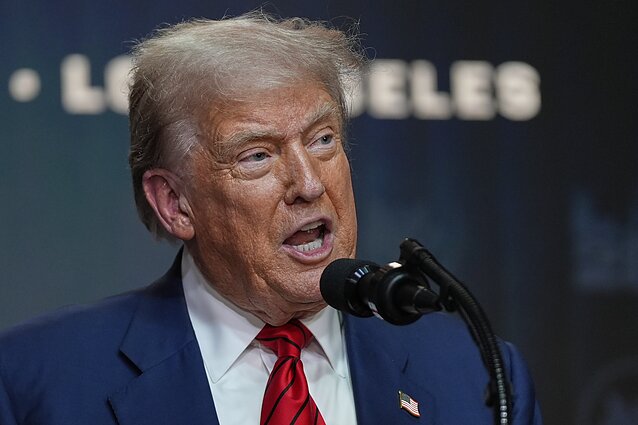
“He has repeatedly shifted his promised timeline for brokering a ceasefire – from 24 hours, to 100 days, to two weeks, to 50 days, and now 10,” said Loss. “I will only believe him when I see genuine measures – sanctions, tariffs or military aid to Ukraine – that would materially harm Russia’s war effort.”
This week, Trump announced an additional 25% tariff on Indian goods, to take effect in three weeks, on top of separate 25% tariffs already in force. This delay leaves time for New Delhi to negotiate a new trade deal with Washington, not necessarily linked to ending the war in Ukraine.
Giles says the shifting rhetoric, especially the sudden reduction from 50 to 10 days, shows “there is no consistent plan or strategy towards Moscow – let alone what is needed for Ukraine and Europe’s survival”.

“The ten-day deadline still gave Russia ample opportunity to outmanoeuvre Mr Trump diplomatically, and past experience suggests the president would be content to be outmanoeuvred, given his marked reluctance to take any action that might harm Russia,” said Giles.
Signs of possible manoeuvring emerged after US special envoy Steve Witkoff met Putin. Trump claimed “significant progress” had been made, and the Kremlin confirmed a summit could take place in the coming days. Analysts warn that Putin may use such a meeting to enhance his global standing.
Former US national security adviser John Bolton told CNN the Kremlin could offer temporary concessions, such as halting air strikes, while continuing its offensive in eastern Ukraine.
There is also a risk that Vladimir Putin will try to persuade Donald Trump to agree to a deal that legitimises Russia’s control over occupied Ukrainian territories and halts Ukraine’s aspirations for NATO membership.
Another possible Russian tactic, according to CNN, could be to divert Trump’s attention with promises of agreements on nuclear arms reduction or economic cooperation – offers that would appeal to the US president’s negotiating ego.
Putin’s priorities unchanged
Citing sources close to the Kremlin, Reuters reported on Tuesday that Putin is unlikely to meet the August 8 deadline and remains determined to seize full control of four Ukrainian regions – Donetsk, Luhansk, Zaporizhzhia and Kherson – which Russia has claimed in its constitution.
Three individuals familiar with the Kremlin's internal discussions said Putin believes Russia is winning and doubts further US sanctions will seriously damage the economy after more than three years of war.
While keen to avoid alienating Trump and seeing potential to improve relations with Washington under Trump's presidency, his war aims remain the top priority, the sources said.
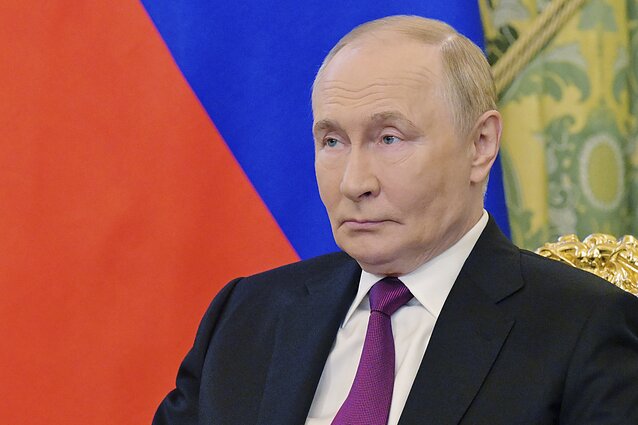
One added that before considering peace talks, Putin wants complete control of the territories in question.
What happens next?
"Previously, when the Russians ignored Donald Trump’s deadlines, it was business as usual – they continued bombing Ukrainian cities and frontline positions, while the US president seemed to lose interest in the issue and turned his attention to other matters, only to circle back later to Russia, Ukraine, and US ceasefire negotiations," said Loss.
"Ukraine," he added, "has long been in a difficult position – particularly in the early weeks of Trump’s presidency, when it had little choice but to accept his initiatives, while the Kremlin appeared content to wait and see. Perhaps this dynamic is changing, but at the moment I wouldn’t be too inclined to believe it".
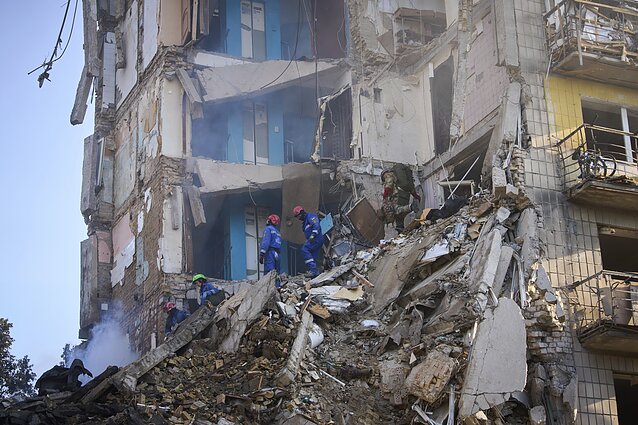
As for what might compel Putin to negotiate, Giles said the answer was clear even before the full-scale invasion began.
“What will change Russia’s mind is defeat. That is the only thing that will alter Putin’s plans to reclaim what he considers the territory of his former empire,” he argued.
“The only way to ensure that is to give Ukraine the greatest possible military, economic and diplomatic support – not the half-measures pursued so far by the United States. Meanwhile, European nations west of Warsaw have limited their own capabilities through decades of defence cuts, leaving them unable to project power even within their own continent,” he concluded.

Newsletter
Every Friday morning.