














Domestic help services have seen the largest year-over-year price increase in Lithuania, according to national statistics – a trend economists attribute to rising wages and persistent labour shortages in physically demanding service jobs. But the label used to group these services – “servants” – is raising eyebrows among business leaders.
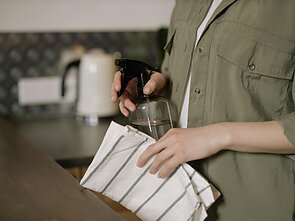
According to the State Data Agency, prices for domestic work, including home cleaning, child care, laundry, and maintenance, rose 18% over the past year – the steepest increase among all tracked goods and services.
“These are not essential services. They’re used by people who can afford such additional expenses, which make life easier but do come at a cost,” said Aleksandras Izgorodinas, an economist at Citadele Bank.
He noted that the sharpest increases were in housekeeping and nanny services – jobs that are often paid close to minimum wage but require physically intensive labour. “The price hike reflects a shortage of these specialists in Lithuania,” he said.
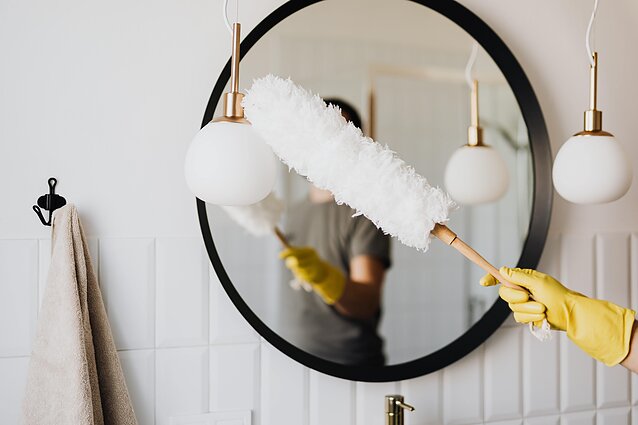
The rise is unsurprising to businesses and analysts. “Minimum wages are increasing, and more Lithuanians are reluctant to take on such physically demanding jobs,” said Aurelija Maldutytė, president of the Lithuanian Confederation of Employers.
Yet the terminology used in official reports – “servants” – has sparked backlash.
“We haven’t had ‘servants’ for hundreds of years,” Maldutytė said. “It’s not an appropriate label for workers who provide valuable, skilled services.”
The State Data Agency explained that the term comes from international statistical classifications and is not meant to be derogatory.
“These are not direct servants, but the classification refers to people providing those types of personal services,” said Virginija Jasionienė, an adviser in the agency’s price statistics department.
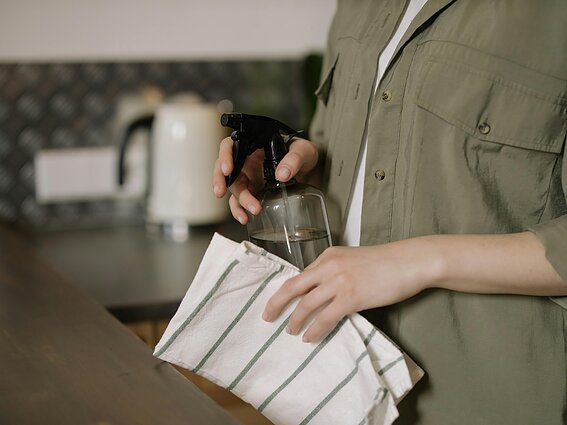
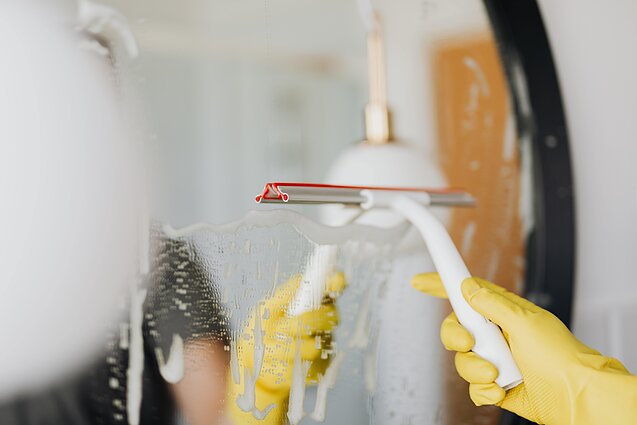
Workers in the sector say their work is varied and demanding – and cannot be easily replaced by machines. A cleaning company employee interviewed by LRT TV said her team handles everything from post-construction cleanup and graffiti removal to snow shovelling and window washing.
“We do everything – homes, offices, indoors and out,” she said.
Still, many people – especially seniors – say they cannot afford these services. One retiree said his building administrator offered window cleaning for 12 euros per apartment. “That’s too expensive. We declined,” he said.
While some predict further price increases in the sector, others suggest the growing demand reflects a broader trend.
“Service prices have been rising consistently since the pandemic,” said Jasionienė. “It likely shows that, for many, life is not getting worse.”
Despite technological advances, the sector remains reliant on human labour. “We have little robots that can mop floors,” said Maldutytė. “But we don’t yet have ones that can lift every item off a shelf.”
Izgorodinas expects service prices to keep rising, forecasting an overall 10% increase in the cost of services across Lithuania this year.

Newsletter
Every Friday morning.