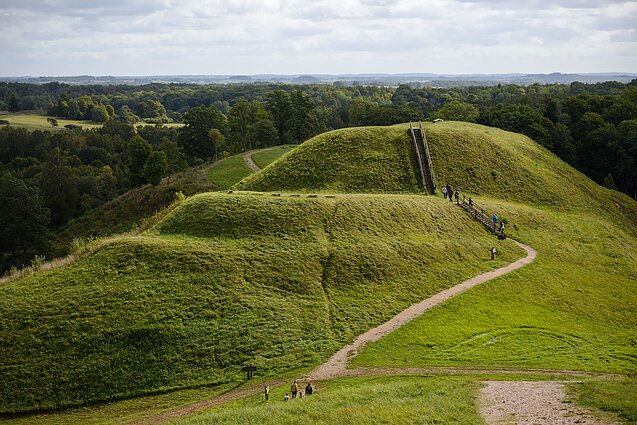












Cultural heritage experts warn that not all of Lithuania’s hillforts receive proper maintenance during the summer months, with some suffering from neglected infrastructure. Tour guides say that tourists are being lost not just due to crumbling staircases, but also because buses can’t reach several key sites.
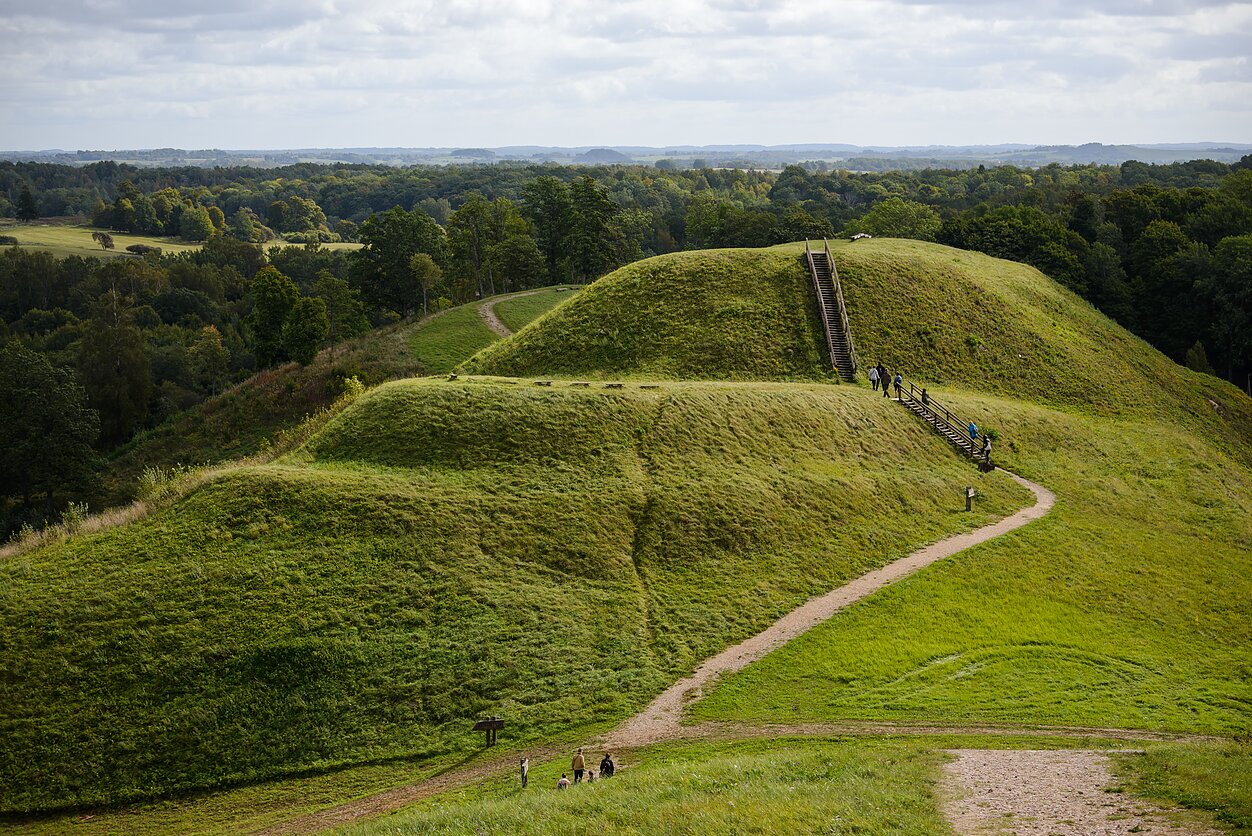
There are over a thousand hillforts scattered across Lithuania, but many have fallen into disrepair and suffer from a lack of even the most basic infrastructure needed to ensure safe access and proper upkeep.
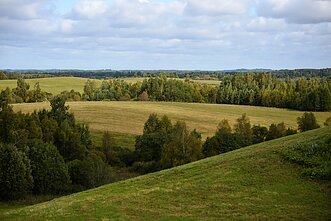
Reaching the Paveisininkai hillfort in the Lazdijai district, located in southern Lithuania, is especially difficult, guides say. The road is in poor condition, and the hillfort is surrounded by a lake and marshland. Those arriving by bus must walk several kilometres on foot to reach the destination.
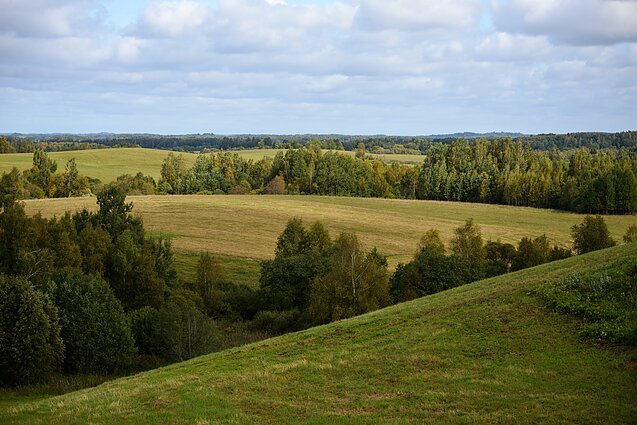
“It’s quite difficult to get there – you can go on foot, or by bike. It’s possible with a good jeep or a quad bike, but not by bus. We don’t maintain it. Climbing up is practically impossible. Well, it is possible, but it’s dangerous – you could fall through or slip,” said Lazdijai guide Jonas Malinauskas.
The footbridge over the marsh and the climb to the hillfort are also disappointing, said visitors. Some of the stairs are unstable and in disrepair. The elder of Kapčiamiestis, Virginijus Golikas, says they lack funding for upkeep.
“As always, of course, there’s a shortage. We try to find sponsors. Sometimes local businesses help out. They contribute with equipment and labour, but the money... it all depends on the Lazdijai district budget,” said Golikas.
However, there is hope that the Paveisininkai hillfort will be restored, he added, mentioning that the regional strategic development plan for the next 5 years includes the renovation of footpaths, staircases, and even the pier.
Eglė Kubilienė, who heads the Lazdijai Tourist Information Centre, acknowledges that complaints do come in regarding poor access and neglected infrastructure at local hillforts. However, she notes, such grievances are relatively infrequent.
“These days, I think people generally check whether a hillfort is far from the main road. It might be best reached by bike or on foot,” Kubilienė said.
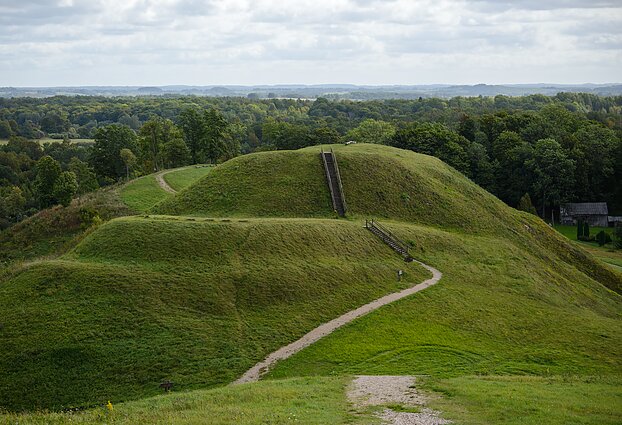
Of the Lazdijai district’s 24 hillforts, three of the most visited receive the most attention. These are mown five to six times during the summer. One of the region’s most famous – the Rudamina hillfort, built on a glacial hill and commemorating the ancient Yotvingian tribe – is also struggling with deteriorating infrastructure.
“Rudamina is one of Lithuania’s most beautiful hillforts. There’s a legend that Mindaugas was crowned there. But the stairs really are dangerous now – I’d say it’s risky to lead a group tour there,” said Malinauskas.
Aidas Simanynas, the elder of Lazdijai responsible for maintaining the hillfort, acknowledges that Rudamina is a popular site that regularly hosts events.
“We are preparing for complete renovation of the hillfort itself, the construction of the access car park, and the repair of the Yotvingian trail leading from the Rudamina rectory to the hillfort,” said Lazdijai elder, referring to the historic route extending all the way to Puńsk in Poland.
Heritage conservationists insist that such infrastructure is essential at the most visited hillforts.
“There has to be a minimum level of maintained infrastructure suitable for visitors. Hillforts are a draw for tourists. Infrastructure is needed to prevent damage – like trampling paths into the slopes and causing erosion,” said Alius Baranauskas, head of a department at the Cultural Heritage Department.

Newsletter
Every Friday morning.