












The Lithuanian parliament’s decision to pull the country out of the Ottawa Convention, which bans anti-personnel landmines, could endanger civilian lives, Amnesty International warns.
“Today’s decision to leave the Anti-Personnel Mine Ban Convention is a retrograde move that will only further weaken the global consensus aimed at minimising civilian harm during armed conflict,” said Esther Major, Amnesty International’s deputy director for research in Europe.
“We call on the Lithuanian government to reverse this decision that could put civilian lives at risk,” she said, adding that anti-personnel mines have devastating effects on civilians.
Major also called Lithuania’s decision “part of a disturbing trend”.
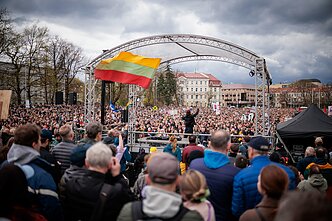
On Thursday, the Lithuanian parliament voted to exit the Ottawa Convention. The government has put forward the proposal, arguing the arms control treaty would impinge on effective defence against potential attacks from Russia and Belarus.
Further reading
In March, the defence ministers of Lithuania, Latvia, Estonia, and Poland issued a joint statement calling on their countries to pull out of the treaty. They were later joined by Finland.
Leaving the convention will allow Lithuania to acquire, produce, stockpile, use, and transfer anti-personnel mines.
The International Committee of the Red Cross has called the decisions announced by the five countries “a dangerous setback for the protection of civilians in armed conflict”.
Lithuania’s exit from the convention would only take effect six months after it submits its withdrawal documents to the United Nations secretary-general.
All European Union member states are currently parties to the Ottawa Convention, while China, Russia, the United States, India and Pakistan are not.

Newsletter
Every Friday morning.