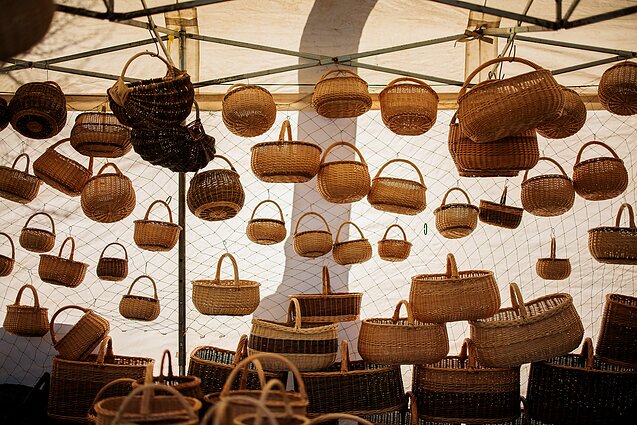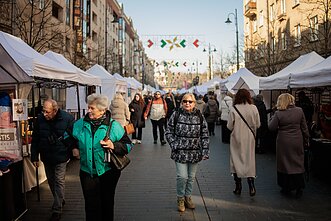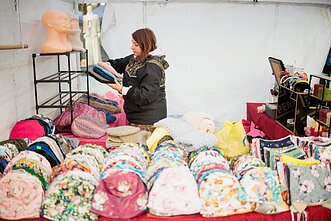










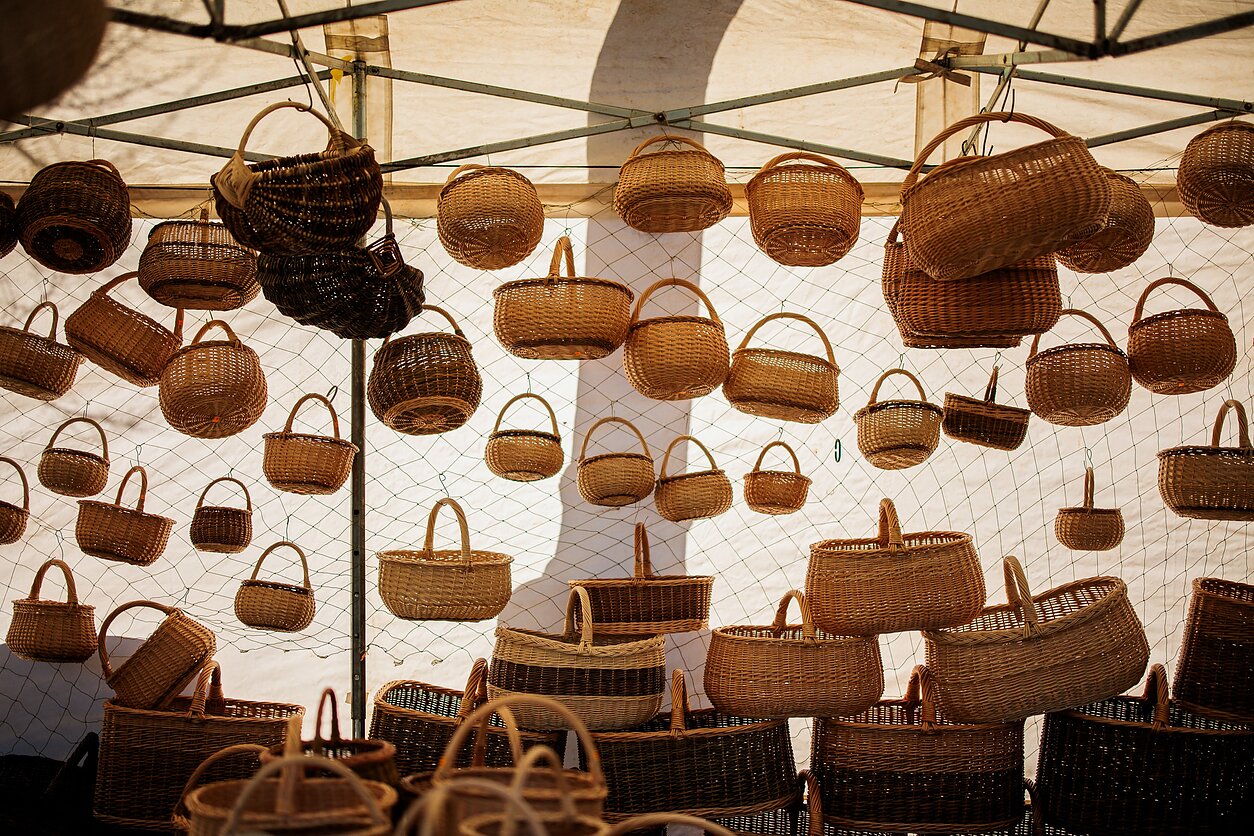
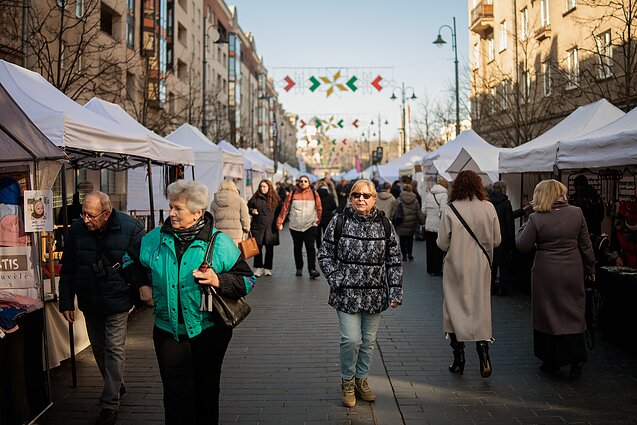
The traditional Saint Casimir Fair – or Kaziuko mugė, as it is known locally – starts on Friday in Vilnius.
Traders interviewed by BNS on the eve of the fair, whose tents will line the city’s main street, Gedimino Avenue, expect good weather this year and more visitors, leading to better earnings than last year.
Some said they would raise their prices, while others promised to see how much competitors would charge and then decide whether to adjust their own prices. Others said they would bring more goods to sell.
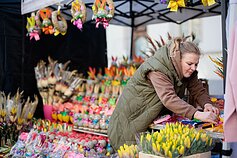
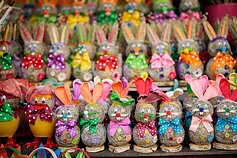
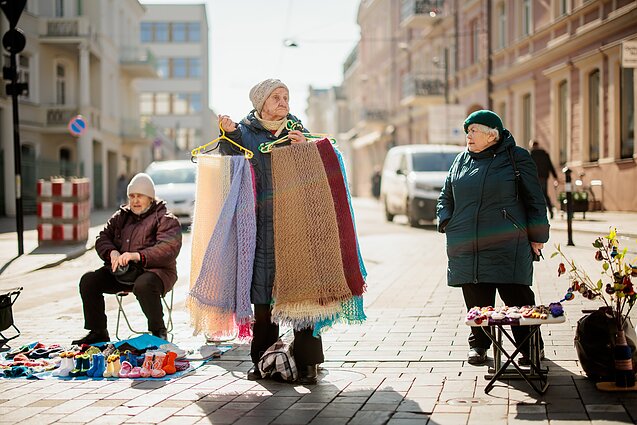
Regina Bilnienė, 58, is coming from Šiauliai after a couple of years’ break to sell her polymer clay jewellery with her daughter.
“We won’t raise prices much, we’ll go up by 30–50 cents, I want to sell the leftovers from the past few years,” she told BNS.
Diana Rimšaitė, 34, from Klaipėda, tells BNS that she took over her aunt’s candle-making business a year ago.
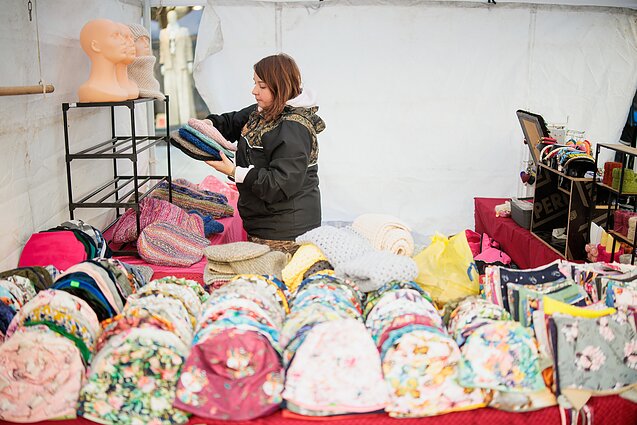
“This will be my first fair. I will keep the prices my aunt told me, I will not increase them. Only the plastic bags will cost extra,” she told BNS.
Hopes for a good year
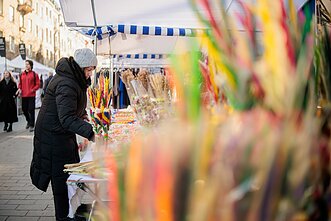
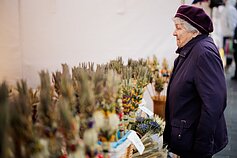
Stanislava Rynkevič from Vaivadiškės village near Vilnius, has been making colourful Easter palms – verba – for 62 years. She says she is bringing fewer palms every year simply because she cannot carry many due to her age.
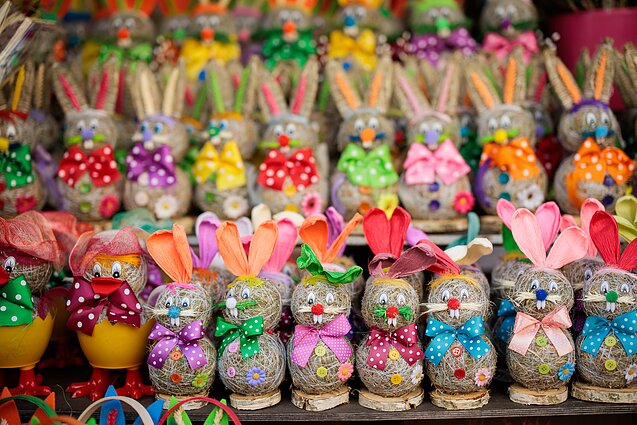
The verbas, which range from 30 centimetres to 2 metres in length, are made from dried and painted flowers and plants that Stanislava collects in fields and forests.
“It takes a lot of energy. My daughters Alina and Renata help me, but they have their own jobs. Besides, we do not only weave palms for Kaziuko mugė, people buy them all year round,” said Rynkevič, who wants to pass on the tradition of making Easter palms to the sixth generation of her family, her grandchildren.
Rynkevič says she never takes home the smallest palms, always sells all her inventory. Last year’s fair was particularly successful and she doubts whether she will be able to match it this year.
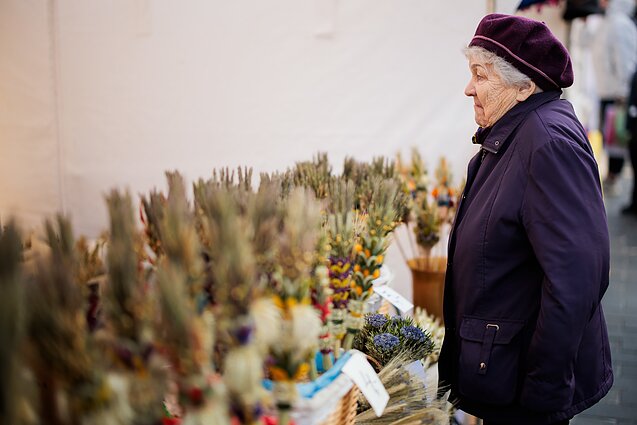
“I always have good sales, […] it is great to see that people are buying verbas in general,” she said.
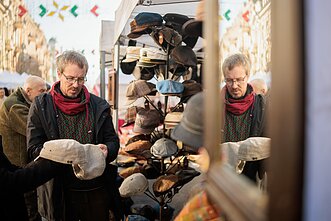
Giedrius Mačiuitis from Plungė is selling wooden spoons, spatulas, small furniture and other wooden products at Kaziuko mugė since 2007. He is bringing a little less merchandise this year: “About 2 tonnes, 60 banana boxes. We had other orders, so we prepared less for Kaziuko mugė.”
But he is confident that the fair will be successful, particularly since the weather is much better this year.
Mačiuitis believes that Kaziuko mugė is becoming more interesting, there are more craftsmen who make things and come to sell them. Kaziuko mugė is the biggest event to meet fellow craftsmen.
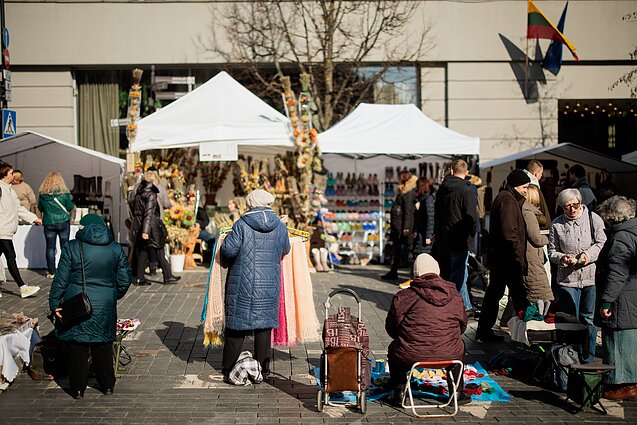
One thing he does not like, Mačiuitis says, is when people come and start off by bargaining over the price.
“Why do we have to start with ripping me off? You have to come and ask how it is made, what it is made of, where it is made,” he says
Focus on sustainability
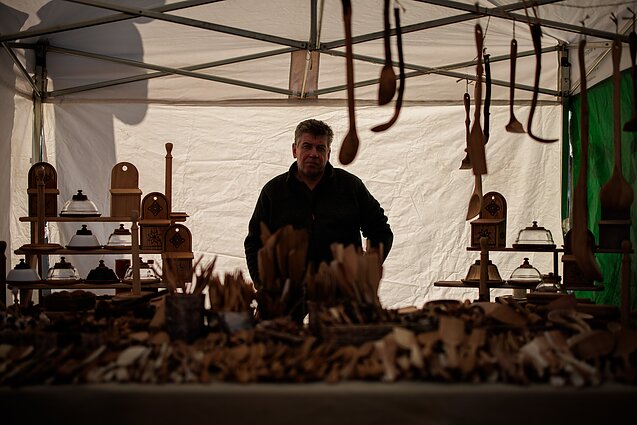
Some 1,500 craftsmen and traders from all over Lithuania and neighbouring countries are offering their products and delicacies at Kaziuko mugė. This year, special focus is on authentic handicrafts and natural food products.
Traditionally, Kaziuko mugė begins on Friday afternoon with a procession from Independence Square to the Cathedral Square, with St Casimir in the lead.
Vilnius Mayor Valdas Benkunskas says that the fair is one of the city’s most anticipated traditional festivals, embodying the spirit of community and providing a colourful and memorable introduction to Lithuanian culture, traditional and contemporary crafts.
Kaziuko mugė, which this year is themed Green Transformation, is focusing on sustainability and responsible consumption, highlighting people’s relationship with nature.
Over the weekend, traffic will be restricted in central Vilnius and there will be changes to public transport.
Kaziuko mugė has been held in Vilnius for several hundred years. Its origins are believed to date back to 1604, when a procession of Vilnius residents welcomed the banner of King Casimir, consecrated by the Pope of Rome.

Newsletter
Every Friday morning.