










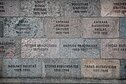

The vaults underneath Vilnius Cathedral contain hundreds of remains of dignitaries and rulers of the Grand Duchy of Lithuania. Many, however, are still unidentified.
According to historians, for a long time, the underground vaults were inaccessible because of water, but gradually the remains were brought up, even though identifying them remained a challenge.
Now, Rimantas Zagreckas, the historian who successfully identified the remains of the post-World War Two partisans, suggested using similar methods to examine the remains in the Cathedral’s vaults.
The biggest success would be finding Vytautas the Great, one of the most prominent Medieval rulers of Lithuania who passed away in 1430.
“Vytautas was buried in the Cathedral together with his wife and there is no evidence that his body could have been moved elsewhere,” says Zagreckas. “There is no record or speculation in historiography that he might be elsewhere.”
With the latest DNA analysis, scientists could identify the remains of Vytautas the Great, Zagreckas believes. They could even do it without any living descendants.
“If we could get DNA samples of Vytautas’ relatives, [...], we know where Vytautas’ sister is buried, his brother Butautas, there is a line of Algirdas, there are descendants of a cousin that could still work,” he says.

According to the historian, however, the best way to identify Vytautas would be to get hold of DNA samples of his only daughter, Sophia. She married Vasily I and became the grand princess of Moscow and is buried in the Kremlin.
Due to the current political situation, cooperation with the Russian government is unlikely. However, Lithuanian laboratories would be able to do the job even without Sophia’s DNA.
Jūratė Jankauskienė, an expert at the Forensic Laboratory, says she and her colleagues have plenty of experience working with old remains, some of them dating back several hundred years.
“We have been working with old bone material, even though in this case it would be much older,” she says.
Lithuanian researchers started working with DNA identification about a decade ago and their methods are constantly evolving. However, they are not cheap, examining all the remains from the cathedral vaults could cost over three million euros.
“It is necessary to examine these historical samples by all the methods that are currently available, and it would cost approximately 4,500 euros for a preliminary examination of one sample,” Jankauskienė calculates. “There are tentatively about 800 people buried there.”

MP Darius Jakavičius, who chairs the parliamentary Historical Memory Commission, says the identification of so many remains requires the approval of Lithuania’s political leadership, and not just for the money.
“We may have to ask for help from other countries to allow access to close relatives and compare their DNA,” he says.
Relatives of Vytautas the Great are buried in Prague and Kraków. Other important dignitaries whose remains are thought to be in the vaults include Vytautas’ cousin Švitrigaila and his brother Žygimantas Kęstutaitis.
Experts hope the identification results could be in by the 600th anniversary of Vytautas’ death in 2030.

Newsletter
Every Friday morning.