












Economists’ predictions of a new wave of inflation in Lithuania may soon materialise. Supermarket chains say they have already received notifications from suppliers about increased prices of their goods.
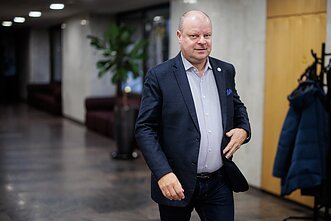
Dainius Dundulis, the owner of the supermarket chain Norfa, estimates that almost all food products will be more expensive in a couple of months.
According to him, bread, bread products, dairy products, and meat will become slightly more expensive, while the sharpest increase will be in the price of fish.
“[Prices of] mackerel and herring are going up a lot. All other fish will be slightly more expensive, or their prices will stay the same. [...] For meat products, there may be more sales,” Dundulis said.
In January, the annual inflation rate exceeded 3.5 percent. According to economists, this is due to higher excise duties on fuel, the increased minimum wage, and higher energy prices.
The owner of Norfa notes that retailers are delaying negotiations with suppliers to delay price hikes.
“This [price increase] will happen in about two months. [...] But I doubt that we will see the inflation that we saw after the pandemic. Back then, it was certainly strong inflation. This time, it will be moderate,” Dundulis said.

But that would not be the end of it. Rūta Vainienė, head of the Association of Trading Companies, notes that road tolls will change next year, increasing the cost of transporting goods twenty-fold.
“If costs increase twenty-fold, it is natural that the cost price increases. An increase in the cost price is not something that comes without consequences,” she said.
Last Friday, the first meeting of the Food Council, established by the new government, analysed what share of the final price paid by the consumer falls on the producer, the processor, the supplier, and the seller.
“We will analyse the food chain itself, whether there is a reasonable distribution of the price along the food chain and whether there is one part of the chain that is making unreasonable profits,” said Agriculture Minister Ignas Hofmanas ahead of the meeting.
However, the Food Council should not be expected to produce any quick results, Hofmanas stressed.
“For 35 years, nobody has done it before this government. [...] The issue is really complicated because if it was simple, it would have been solved one way or another before me,” he said.
The NGOs on the council want to make as much food as possible available to those who cannot afford it now.
“If I don’t sell something, I add to the price of what others buy. The aim is to keep prices as low as possible and to reduce food waste,” said Simonas Gurevičius, head of the Food Bank.
The agriculture minister promises to look into the extent to which state requirements determine food prices. For example, he says, the excise duty on some fuels may be reduced.

Newsletter
Every Friday morning.