












The agricultural sector is particularly vulnerable to climate change. Lithuanian farmers are trying to adapt by introducing new crop varieties and adopting sophisticated technologies. The future is bleak, experts say.
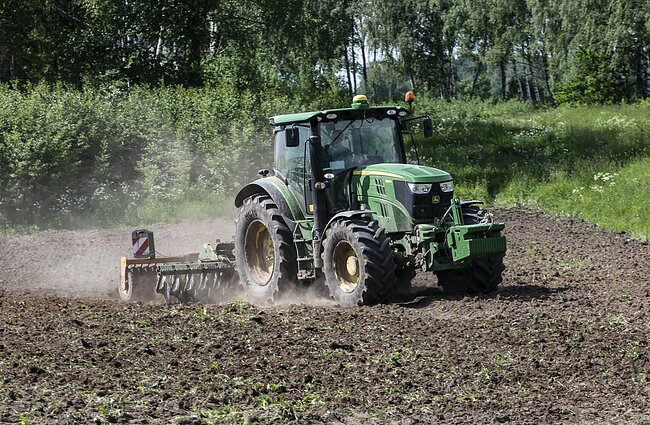
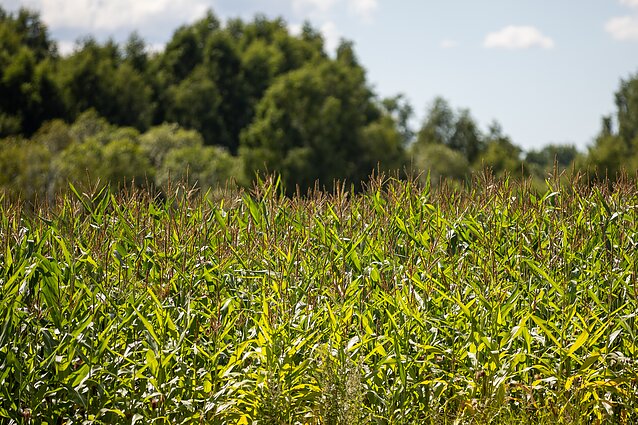
Harvesters have been out in the corn fields earlier than ever this year. Some farmers harvested as early as mid-September, whereas in previous years the harvest was not ready until the end of October. Harvests of other cereals are also much earlier this year.
“If, on July 17, we go straight from oilseed rape to winter wheat and they are almost dry, we have to adapt to those challenges, to those deadlines and to those pests,” says Julius Vaitekūnas, chairman of the Farmers’ Union Joniškis chapter.
According to farmers, new pests are appearing every year, previously unknown in this country. For some of them, Lithuanian farmers have no insecticides. Due to climate change, new varieties of plants are constantly being sought that can withstand various stresses.
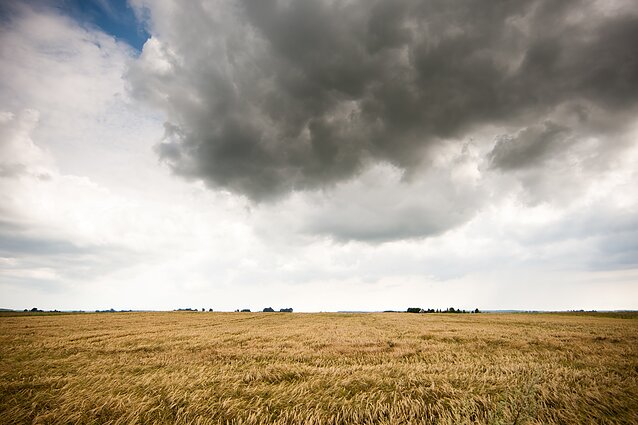
“We try to adapt, to look for new varieties, or to use protection products on time, as much as possible. Or anti-stress sprays. But agriculture is a field where you work and work, but don’t know if you get your income at the end of the year. It’s getting harder every year,” says farmer Andrius Jarulis.
Fruit and berry growers are also feeling the effects of climate change.
“What I was growing five years ago, I can’t use the same varieties now, so we are trying newer ones. Every year plant breeders develop new varieties, we import them from other countries, we look at how suitable they are for our climate,” says strawberry farmer Manfredas Rudis. “Climate change is really making itself felt, harvests come early and everything is over much earlier. Sometimes you start thinking about two harvests a year.”
This has been a good year for Lithuanian berry and fruit growers, as Poland lost part of its harvest to the elements. However, planning income and expenditure is becoming increasingly difficult.
“It is very difficult to predict what the purchase prices will be, what people will have to pay and what the costs will be to produce the harvest. It depends on fertilisers, our position in the world and so on. There are a lot of uncertainties,” comments Rudis.
The country’s farms are increasingly equipped with modern technology. Although few farmers have adopted robots, they are thought to be the future of agriculture. There will be less and less manual labour.
“Farmers are installing individual weather stations. They are already making some predictions about what the future may hold. Artificial intelligence can predict outbreaks of certain insects or pests,” says Gedas Špakauskas, vice-chairman of the Farmers' Union.
Insurance companies are also feeling the effects of climate change. Premiums are rising every year. Losses are already affecting not only individual districts, but also the whole country and region. Increasingly, the very survival of farms is at stake.
“The sums are record-breaking and, unfortunately, there’s little to rejoice in. In the last three years, we have seen that all the risks against which we insure occurring in Lithuania. In Lithuania and in Latvia,” says Martynas Rusteika, head of the mutual fund VH Lietuva. “Some farms are going out of business. Either they rent out their land or they simply stop their activities.”
The agricultural sector is the first to feel the effects of climate change. The last five years have been particularly challenging. Farmers in many parts of the world are trying to adapt to climate change.

Newsletter
Every Friday morning.