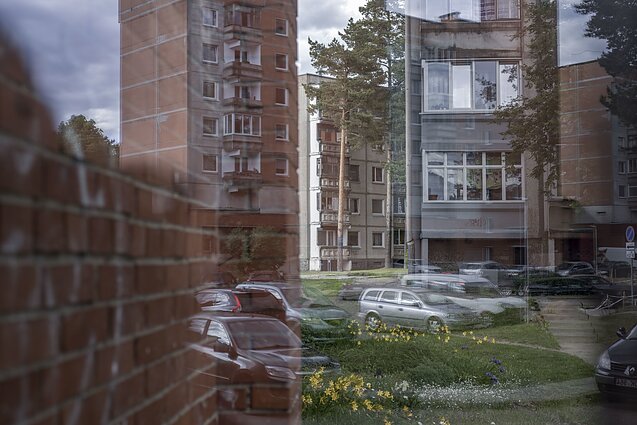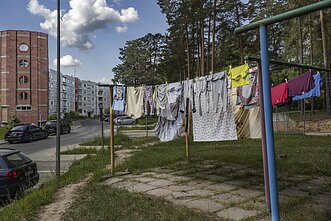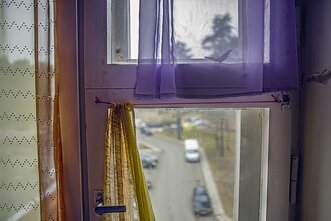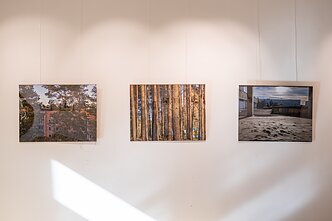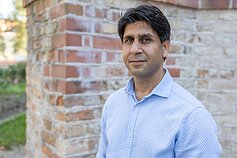









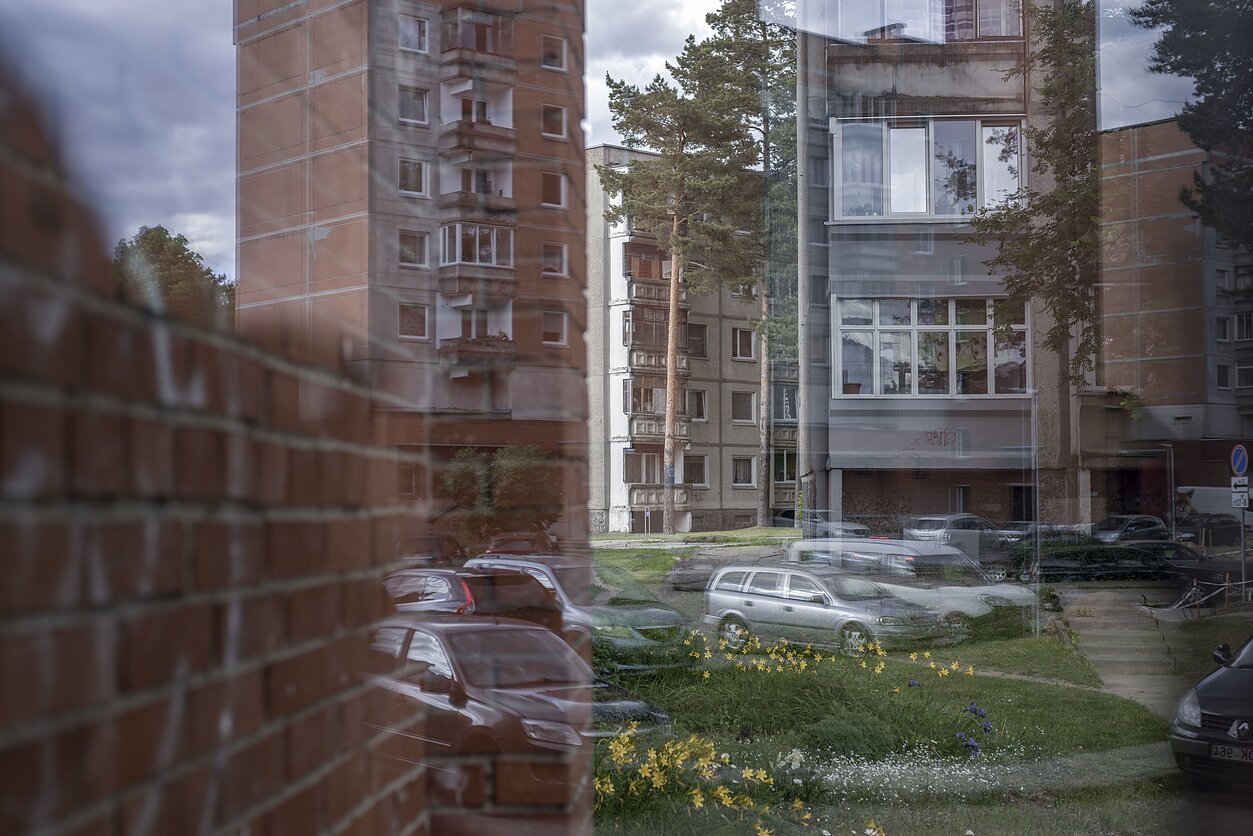

Visaginas, a Lithuanian city built for the Ignalina Nuclear Power Plant workers during the Soviet times, is one of the most curious places in the country to this day. Predominantly Russian speaking, the city is subject to various photo projects, one of which was carried out by Indian photographer Prashant Rana.
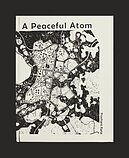
Prashant has been documenting Visaginas for seven years. He has now published a book called A Peaceful Atom, complete with texts in English, Lithuanian, and Russian, as well as images, and exhibited his work both in Vilnius and Visaginas.
Accidental encounters
According to the photographer, his first encounter with Lithuania was almost accidental. Some eight years ago, when he was studying photojournalism in Sweden, a Lithuanian woman posted a link to an article about Roma children in Lithuania under one of his photos on social media.
“It said that more than 11 percent of Roma children go to special schools. For me, that was a bit bizarre. How can children from one particular community be so challenged? So, I came to do a university project and spent roughly four months in Kirtimai, taking photos of Roma children,” Prashant says.

The project was exhibited by the Department of National Minorities at Vilnius Town Hall. It was here that Prashant met a person from Visaginas who called the city a “Russian bubble” and suggested that the photographer come and see it for himself.
“For me, the expression ‘Russian bubble’ was interesting because I come from a country where we speak 300 languages, more than 3,000 dialects and there are so many cultures and religions. It was hard for me to imagine how one city could be a ‘bubble’ of just one language,” the man explains.
Prashant admits that he was intrigued by the city but did not find it interesting at first because visually, it looked similar to the Soviet-built neighbourhoods in Vilnius or other cities in Lithuania.
“But then I went back to Sweden and searched Visaginas. I discovered many articles about Visaginas, all of them focusing either on the link between Chernobyl and Visaginas or the separation of this community. I then decided to continue coming back,” he says.
“For me, the concept of a Soviet city was new. Or the concept of segregation based on language was also something that I didn’t understand. So, I decided to explore that which was new for me,” the photographer explains his motivation.
Building identity
The Indian photographer spent seven years going back to Visaginas, exploring the different layers of the city and its population. According to Prashant, Visaginas had gone through several changes that “challenged the identity of its people”.
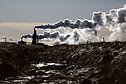
First, there was migration to the city during the Soviet time, with many Ignalina NPP workers coming from Russia with their families, as Lithuania did not have enough nuclear scientists at the time. Then came the collapse of the Soviet Union, which made people question who they were and where they belonged. Finally, the nuclear facility, which had been the centrepiece of the city since its inception, was closed in 2008, as it was one of the conditions for Lithuania’s EU accession.
“Something was happening there every decade, and I entered the scene just one year before the nuclear power plant project was officially closed. Things were happening at that time, and every time I went back, I could see that something had changed in Visaginas. That kept me interested in the city,” Prashant says.
Asked how his project stands out from others, the photographer says he did not want to focus so much on the “nuclear identity” of the people of Visaginas.
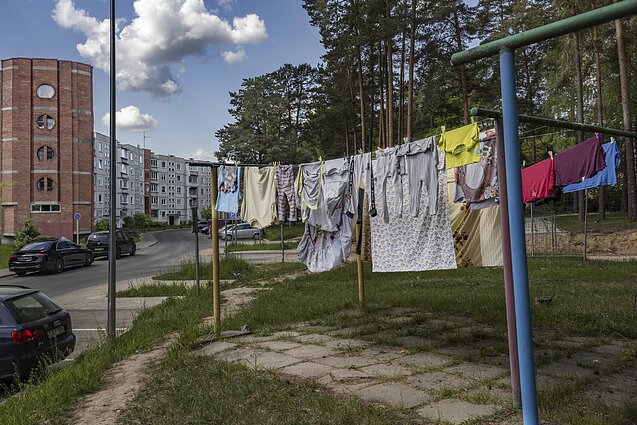
“I feel that Visaginas is now beyond the nuclear identity. It’s just history. I also took photos of [nuclear] symbolism, but this is not the city anymore. Now, people are trying different things, talking about art, they go abroad and work. So, I didn’t want to put that nuclear label on them,” Prashant explains.
“I think that is something different that I bring to the table. I’m talking not so much about Visaginas but about how societies function – when you take away someone’s identity by force or voluntarily, they have to kind of rebuild that identity, and that is what I focus on,” he continues.
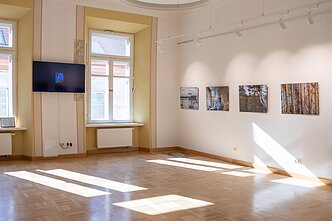
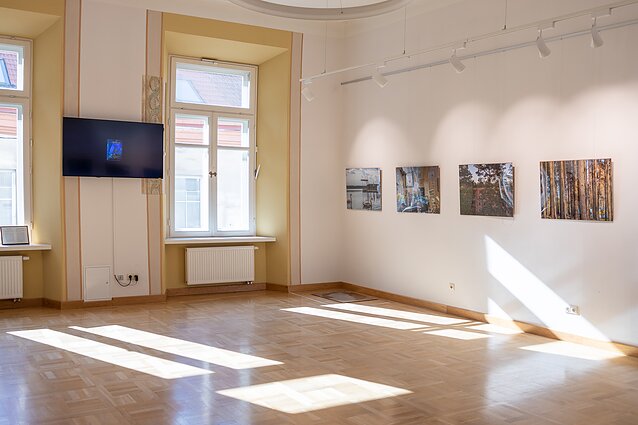
In the photos exhibited in Vilnius and Visaginas, Prashant focused more on the space and architecture of the city, which was a conscious choice, according to him.
“Choosing the photos for the exhibition was very conscious because I still see a big imbalance between the population and the empty houses in Visaginas. I want the photos to convey that this is a city created for more people than it has now,” the photographer says.
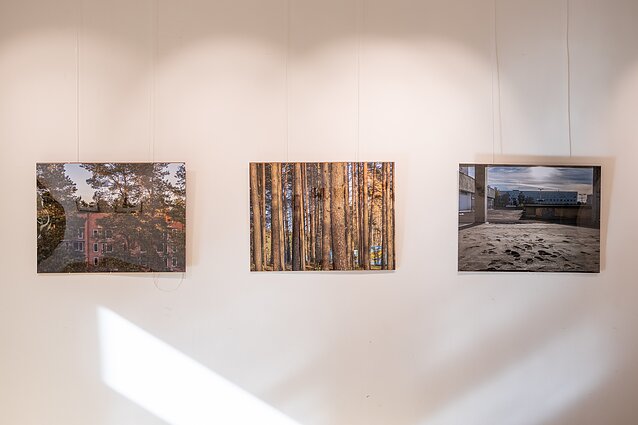
However, Prashant’s book A Peaceful Atom also includes a series of portraits of Visaginas residents, with QR codes leading to them talking about their city.
“You can listen to the people talk so that there is less of me. The city is my perception. I go there, I don’t speak the language, I don’t know the history, and I’m just reflecting myself in the photos. But the person has the right to speak for themselves and their city,” he says.
“If you talk to the older generation, they still think that the government is responsible for their well-being. If you talk to the people of middle age, they are just worried about work and employment. The younger generation is trying to explore new possibilities, and they are thinking about some entrepreneurial ideas, about having more tourism in Visaginas,” the photographer summarises what he has learnt while talking to Visaginas residents.
Balance and peace
With the seven-year project over, Prashant says that he would like to keep coming back to Visaginas. For now, he lives “off his luggage”, working on photo projects all over the world, but is hoping to stay in Lithuania for a longer period.
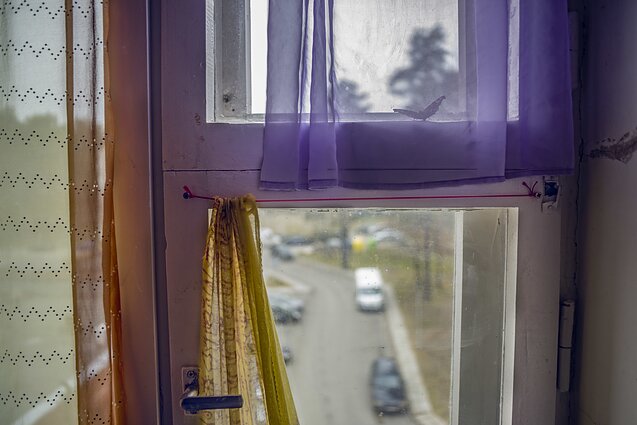
“I find a balance of life here that I don’t find in other countries. I’m trying to look for work in Lithuania. If that happens, I would like to have an apartment in Visaginas and work there if I have to do research or write something because it’s a peaceful place,” he admits.
Prashant says he would like to work as a photo editor or teacher in Lithuania if such opportunities arise. But before that happens, he is planning to focus on his next photo project about Tibetan migrants in India.

Newsletter
Every Friday morning.