













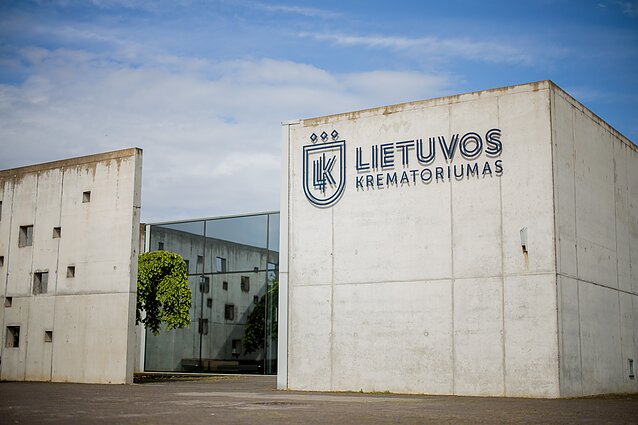
Since 2011, a crematorium in central Lithuania has served the whole country. Today, K2 LT, a joint-stock company, already has three competitors in Klaipėda and Vilnius, as people are increasingly choosing to have their remains cremated after death.
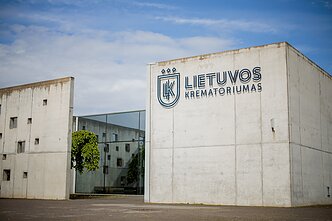
Lietuvos Krematoriumas (Lithuanian Crematorium) is a short drive away from Kėdainiai, at 3 Metalistų Street. This address is well known to many of the country's funeral parlours.
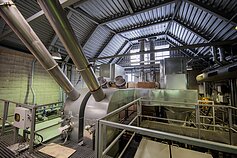
In 2011 when the crematorium opened, it used to perform just three to four cremations a day. Now, the facility has expanded to have two cremation lines running around the clock.
Jorūnė Jurkevičienė, the crematorium's spokeswoman, said the share of cremations in Lithuania is growing every year.
“In Kaunas, for example, 70 percent of all the dead are cremated,” she said. “The trend is that in the biggest cities of Lithuania, there is a higher number of cremations. Smaller ones have fewer cremations and tend to be more traditional.”
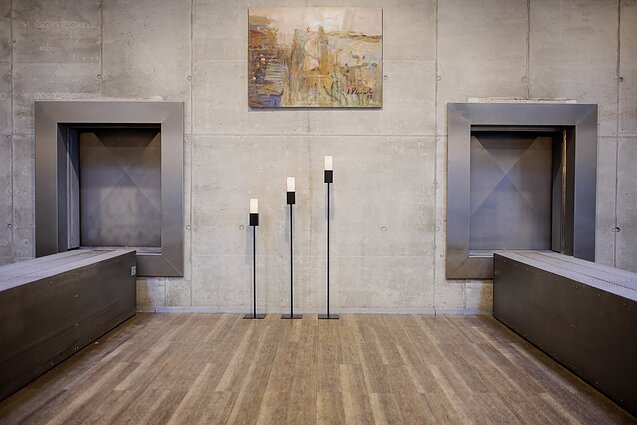
There are several options for when the coffins arrive at the facility, according to Gražvydas Vaicieka, chief administrator of the crematorium.
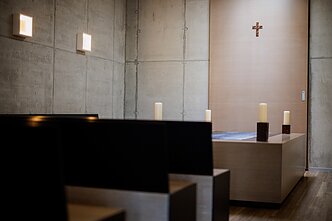
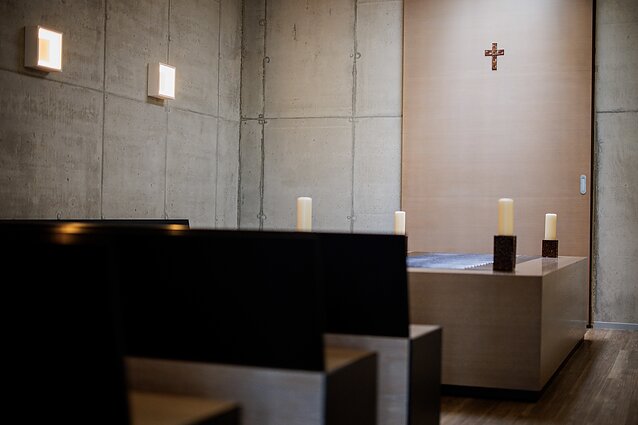
“The first is that we put the coffins immediately on one of the two cremation lines,” he said. “The other option is that we have two halls, where people choose to say goodbye before the cremation.”
“As a third option, if the cremation takes place later, there is also a fridge to keep the remains. There can also be a cremation the next day,” Vaicieka added.
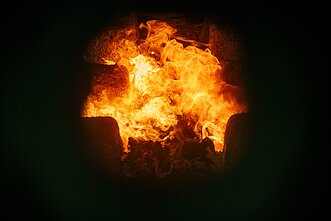
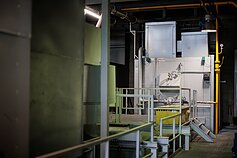
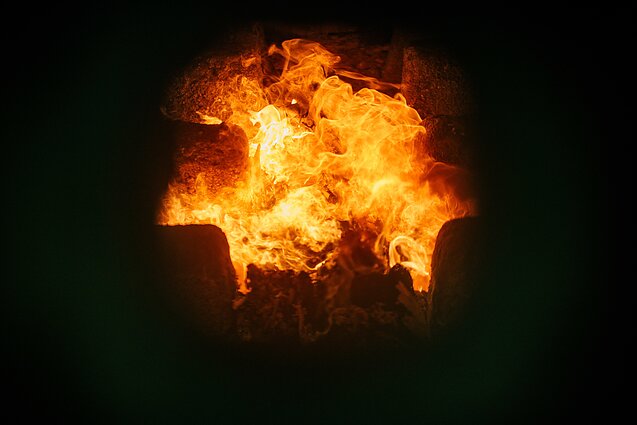
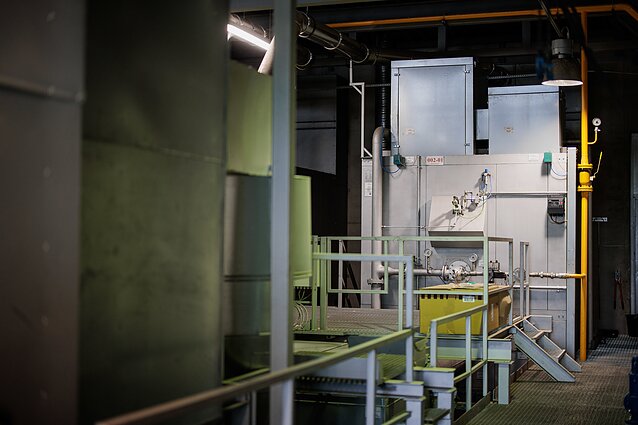
The temperature inside the cremation furnace is maintained at 800 degrees.
“The cremation process itself takes between 2.5 and 3 hours,” said Vaicieka. “If the body is bigger, it takes longer. The coffin itself is made of different materials – there are eco-friendly cardboard coffins now. There are also spruce, pine, but also oak, ash coffinds.”
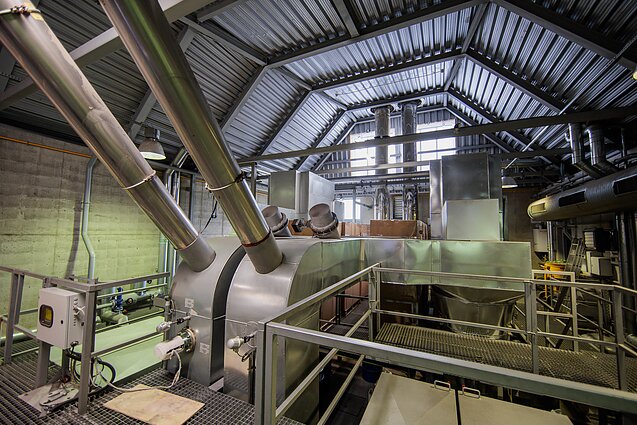
In addition to the furnace, the unit has an economiser to cool the hot air exhaust and a purification plant.
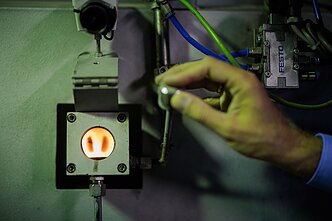
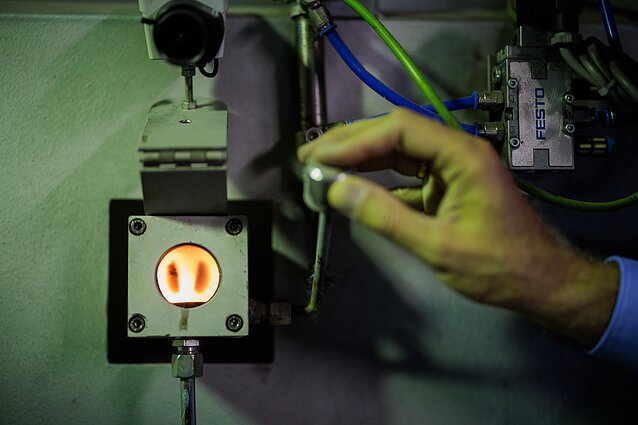
Rarely, but relatives also ask to look through the window as the body is cremated.
“Although it is more for the operator [there is a camera next to it and it is broadcast live but not recorded], there are rare occasions when relatives ask to look through it,” said Vaicieka.
Various objects in the body, like gold teeth fillings, get burned in the process.
“But if there are hip joints, they are manually removed from the container once they cool down [because] they may not fit in the capsule,” explained Vaicieka.
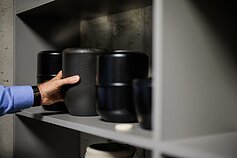
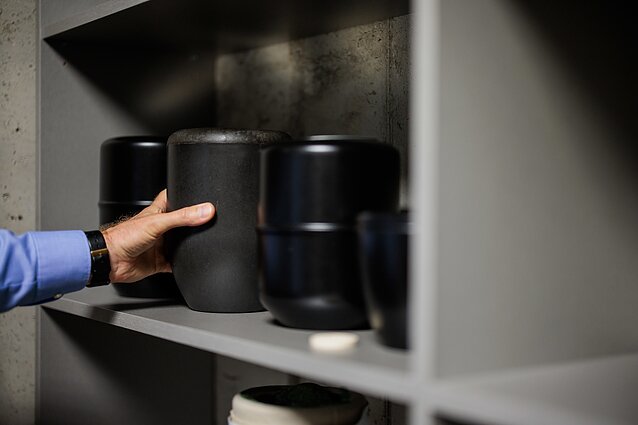
The capsules are usually 3.2 litres.
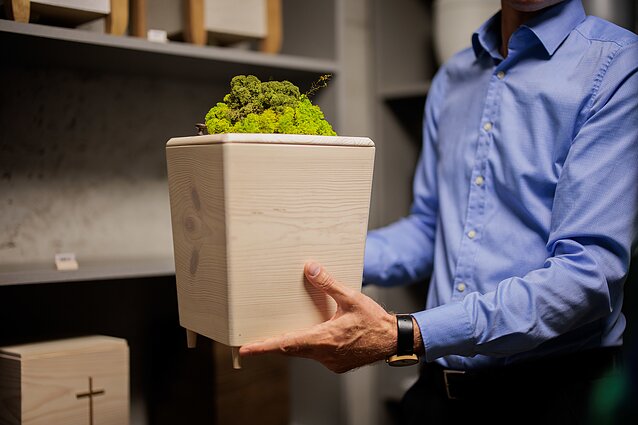
“It's usually made of stainless steel, painted black,” according to Vaicieka. However, eco-capsules that biodegrade in the ground are now becoming more popular.
A depth of 1 to 1.2 metres is usually enough to bury the capsule.
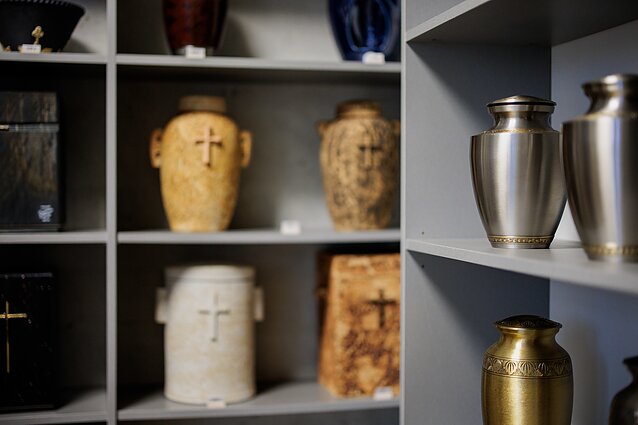
Meanwhile, Lithuanians usually choose wooden urns, although some people go for handmade, ceramic containers.
The clients of the crematorium are not individual people, but funeral companies.
“There are individual cases where a smaller body, for example, that of a child, is brought by the relatives themselves. The parents bring a smaller coffin by car, but these are isolated cases,” said Vaicieka.


Newsletter
Every Friday morning.