




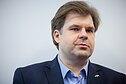


A bathhouse run by a former journalist is recreating the ancient sauna traditions in Lithuania. “A sauna is a place that frees you, you don't get trapped in a box anymore, you do what you like, you become pure,” said Vereta Rupeikaitė, the owner of the sauna.
Together with her partner Valdas Rimavičius, she has been running the bath house located on the territory of the Lithuanian Ethnography Museum in Rumšiškės in central Lithuania for 14 years.
Just like every country has its bread recipes, each also has its authentic sauna traditions, according to Rupeikaitė.
“We cannot say that Finnish bread is somehow better than Lithuanian bread. Every nation has its own according to what is in the environment. Lithuanian sauna is both physical [hygiene] – involving bathing, cleansing and massaging – and spiritual,” she said.
For example, Russian saunas are mostly centred on physical cleansing, while the Latvian traditions are more focused on spirituality.
“They are particularly inclined to the magic side, they believe in the healing energies of plants used as sauna whisks,” she said.
Attitudes toward saunas in Lithuania are also changing, but people should be wary of false advertising.
“If someone is helped by a sauna, that's great, but the way people like to talk about [sauna] therapies nowadays is misleading,” she said. According to her, people should not pretend to be doctors, as sauna therapy is not regulated.

It is also difficult to say exactly what a Lithuanian sauna looked like hundreds of years ago, as there are no surviving authentic bathhouses. It is even harder to know what rituals were performed in the baths.
It is known that the traditional sauna involved water and steam, as well as whisks. “But no one has written down the process as it was done. Research shows that women were more in charge at the bathhouse and included rituals such as births, marriages and deaths,” said Rupeikaitė.
According to her, people even gave birth in the sauna, which was then considered to be a more sterile environment than the home.
Winter past-time
Most of her clients visit the sauna in the cold season. “When it gets warmer, the days are long, everybody goes to the summer homes, to the seaside, and we take a break from the sauna,” she said.
Most people visit the sauna every week together with their sauna family – a group of bathing enthusiasts.
“A sauna is a place that frees you, you don't get trapped in a box anymore, you do what you like, you become pure,” said Rupeikaitė.
For the optimal temperature, she recommends staying below 70 degrees.
“It also depends on whether there's a way to get steam, because there are electric or metal stoves, and when you pour the water in, it's not stones that steam up, it's the metal,” she added.
According to her, most people enter the sauna four times during a session, but it’s important to listen to your body to decide how much is enough for you.

“The first session is about getting used to the heat because if you start from the maximum, you will overheat. We then use salt, a lot of people think of salt as a scrub, but we don't, it's more of an osmotic action, so we suggest gentle salting, not scrubbing the body with salt. Later on, we use the whisks, which is the culmination,” she said.
There are many different types of sauna whisks, usually made from tree branches. Its exact composition depends on the desired effect: some can be aromatic, others can be relaxing, massaging or deeply warming.
“There are lots of fresh herbs and fantastic scents. Some plants don't even emit smell in the forest, but they come out in the steam. The main ones for bathing are oak whisks, but I couldn't survive without birch whisks, which are a must.”
“If it is tied together well, you can do intense and rhythmic massage movements with it,” said Rupeikaitė.
In the past, many people associated sauna with alcohol, but that perception is changing. When guests ask if they can drink a glass, she usually replies: “If you were training for a marathon, would you have a beer beforehand?”

Newsletter
Every Friday morning.