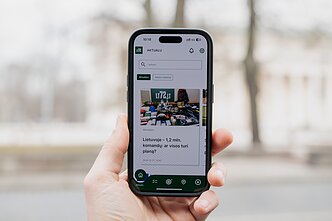
















With the proliferation of digital services, some seniors in Lithuania feel discriminated against. According to the Association of the Elderly, without a smartphone and basic skills of how to use it, people struggle to access information about healthcare or even get a discount at a shop.
Several years ago, the Office of the Equal Opportunities Ombudsperson received complaints about discounts at the Lidl supermarket chain. A shopper said he felt discriminated against – only people with a smartphone could make use of the offers.
“We concluded [there was] indirect age discrimination, as our investigation looked at the situation of this particular person and older people – aged over – who had limited possibilities to use the discounts,” says Laima Vengalė-Dits of the Office of the Equal Opportunities Ombudsperson.
The Office suggested that the supermarket chain offer additional options, for example, plastic discount cards, but the situation has not changed much since then.
“We still receive complaints from elderly people every week, every other day,” admits Vengalė-Dits.

Lidl says that its staff is ready to help, but does not plan any alternatives to the app that is required to claim the discounts.
“In the future, we plan to offer even more tools to help you use the mobile loyalty app,” says the retailer.
While the Equal Opportunities Ombudsperson has not received complaints about other outlets, seniors say they feel disadvantaged in more places due to the increasing virtualisation of services.
“There are people who used to do simple jobs and they find it very difficult. Especially those aged over 75-80, people from the previous generation who have never seen a computer or worked with it properly,” points out Remigijus Samuilevičius, chairman of the Association of the Elderly of Vilnius.
Without a computer, a smartphone, or electronic ID, accessing even basic services is becoming difficult: from banking transactions, tax information, to healthcare.
An increasing number of people go to their local libraries to seek assistance.

“We can’t go to their bank, but they imagine they have come to the library and the library will make the payments for them,” says Dalia Ražanienė, a worker at the Vilnius Municipality Central Library.
According to the Association of the Elderly, the government should look for solutions how to help. For example, dedicated departments in municipal offices or libraries where people would not need to disclose sensitive personal information to anyone and their identities could be confirmed in other ways.
“There should be terminals able to biometrically identify people, be it by a fingerprint, iris, etc. At this point, we should think about how to expand the range of people’s access to electronic services,” emphasises Samuilevičius.
“Perhaps this issue could be tackled even more broadly, but this will probably require additional funds, additional staff, and technical solutions,” says Violeta Podolskaitė, chair of the Vilnius Municipality Social Affairs Committee.
According to Ražanienė, the librarian, libraries offer computer literacy courses for the elderly, but these are not always helpful.
“We need change, because now we are standing still. […] They take the training, they learn things, but then some time passes and they don’t remember anything,” she says.
According to the European Union Agency for Fundamental Rights, only 13 percent of Lithuanians aged between 65 and 74 have basic digital literacy skills.

Newsletter
Every Friday morning.