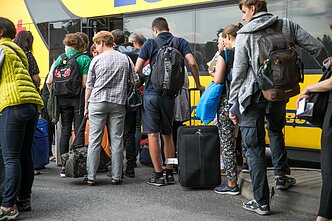
















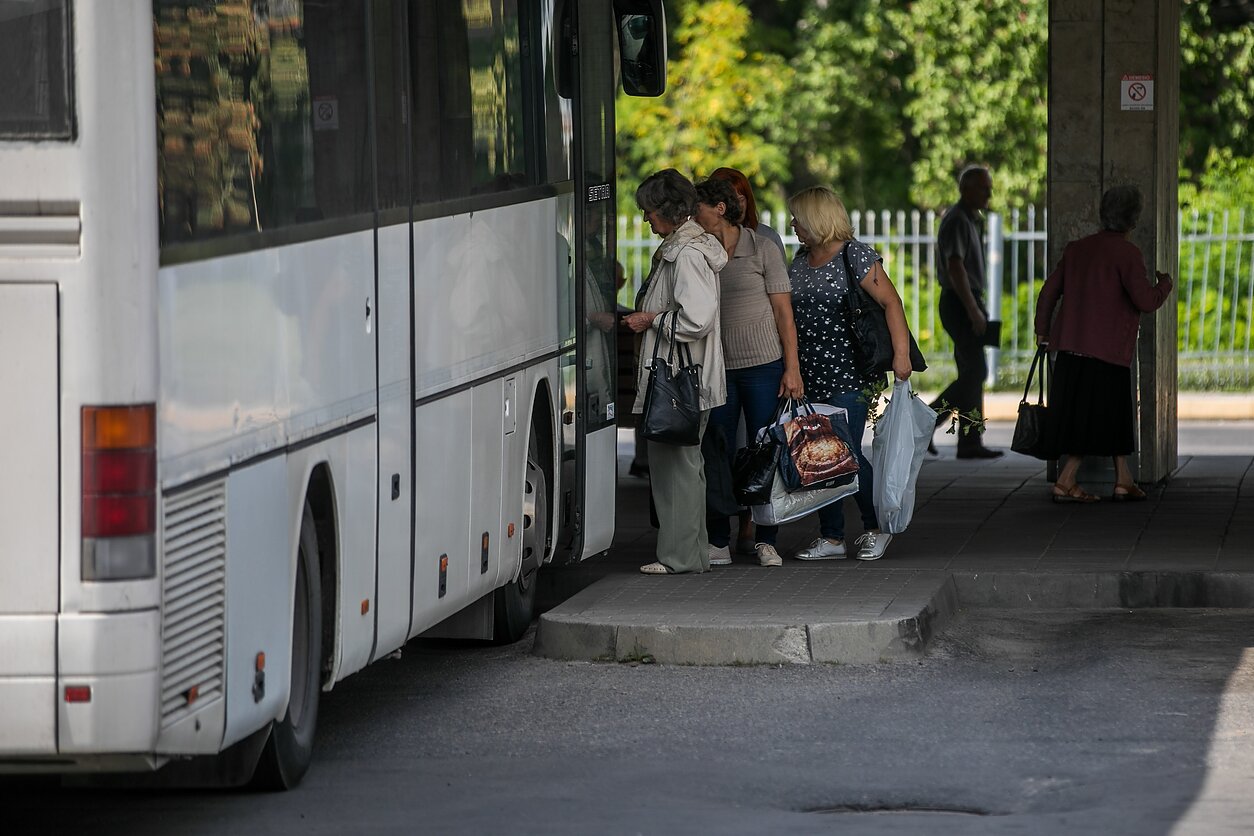
The recent reform of intercity bus services has left many rural municipalities underserved by public transport. In the absence of public subsidies, profit-seeking private carriers are unlikely to operate unpopular routes.
Five years ago, Šilalė, a town of some 5,000 in western Lithuania, inaugurated a new bus station. The authorities at the time said it would make the town much more accessible.
But now the mayor says that, by the end of this year, Šilalė will have no public transport links to major cities. After two bus routes have been discontinued, half of the 22,000-strong population of Šilalė District are no longer able to get to Klaipėda, where, for example, they need to access medical services.
Šilalė Mayor Tadas Bartkus blames a recent reform of intercity bus services that includes stricter requirements for providers and bus stock.
“Over the last three years, due to the combination of Covid and the reform, we lost 11 of 17 routes,” he says. “Six routes are left, and according to the latest data, by the end of this year we will also lose the route to Vilnius.”

According to the Association of Municipalities, the situation is no better elsewhere. Since last July, there are no direct bus links between Šilutė and Marijampolė, Panevėžys, Šiauliai, Palanga, Alytus, Šakiai. No private carrier was interested in operating these routes.
As a result of the reform, according to the Association of Municipalities, there have been cuts in bus routes in almost all municipalities.
“Unprofitable routes were abandoned, the service providers discontinued them or some of them were not able to meet the requirements for buses, because of the age of their stock,” says Dovilė Sujetaitė, an adviser to the Association of Municipalities. “Those municipalities that can have started organising more local transport thus trying to solve part of the problems.”
The Šiauliai company Busturas says it has been dropping several routes every year since 2017. There are no plans to renew reinstate them.

“Since the state does not subsidise intercity transport, passenger carriers survive only on ticket sales,” says Busturas director Vaidas Seirackas. “In order to have unpopular routes, you need someone to serve them, but if there are few passengers, the routes will automatically disappear.”
Transportation authorities insist the routes are disappearing not because of the new requirements. According to Justas Rašomavičius, deputy director of the Transport Safety Administration, five carriers left the market before the reform. Without new ones entering the market, the situation is unlikely to change.
The key elements of the reform include new requirements that buses must not be older than 14 years. From 2026, they will have to be no older than 10 years.
There is also the provision that bidding companies must be checked for links with unfriendly countries. Some carriers say they may raise ticket prices due to additional costs and investments needed to meet the new requirements.

Newsletter
Every Friday morning.