







After Ukraine added the Lithuanian food manufacturer Vičiūnai Group to the list of international supporters of the war, due to it still operating in Russia, Lithuania’s major supermarket chains say they are not planning to remove the company’s products from their shelves.
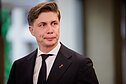
Vičiūnai Group is one of the biggest fish product manufacturers in Europe and is co-owned by Kaunas Mayor Visvaldas Matijošaitis. It owns a factory in Russia’s Kaliningrad and, despite repeated promises to sell it off, has not done so yet.
“After the start of Russia’s full-scale invasion of Ukraine, representatives of Vičiūnai Group promised that the company would leave the Russian market, but it has not stopped its factories in Russia, is looking for new employees, and is paying high taxes to the aggressor,” Ukraine’s National Agency on Corruption Prevention (NACP) has announced earlier this week, designating the company an international war sponsor.
Further reading
In Lithuania, there have been repeated calls on social media for a boycott of the company’s products. There have also been calls to remove Vičiūnai Group from supermarkets in Lithuania, but retailers insisted they could not do it without a legal basis.
A related controversy arouse when it emerged that some supermarket chains were selling Vičiūnai-produced products under their own brands. Shoppers who would otherwise boycott Vičiūnai products were therefore buying them unawares.
The retailers acknowledged this at the time and assured that they would stop working with the company if it did not leave the Russian market.

Not on official sanctions list
After Ukraine added the Vičiūnai Group to the list of international war sponsors, LRT.lt contacted the major supermarket chains operating in Lithuania asking if they were considering to remove the company’s products from their shelves.
Indrė Trakimaitė-Šeškuvienė, a representative of Maxima, said that the company would need a legal basis for such a move.
“Our legal assessment does not change after the inclusion of Vičiūnų Group in the list,” she stressed.
According to Trakimaitė-Šeškuvienė, when making decisions, Maxima is relying on the sanctions lists published by the United Nations, the United States, the United Kingdom, the EU and the Republic of Lithuania.
“We use them when deciding on cooperation with suppliers. Maxima’s legal team regularly reviews the list of suppliers and checks whether they are not subject to these sanctions.
According to her, Maxima has removed Russian and Belarusian products since the Ukraine invasion and has not cooperated with any sanctioned individuals or companies they own.

Lidl Lietuva representative Lina Skersytė said that the supermarket chain sells only a handful of products produced by the Vičiūnai Group, all produced in Lithuania.
“The packaging of these products always bears a label in a place visible to customers, indicating that the products are manufactured by companies belonging to this group of companies and operating in Lithuania. We have now also initiated additional labelling on the packaging of these products to make them even more visible to customers. It should appear on the packaging in the near future,” SKersytė said.
Eglė Krasauskienė of Rimi Lietuva said the retailer ensures that the goods on its shelves comply with the law.
“We follow the list of sanctions closely and act immediately. As of February 2022, we do not sell goods produced by sanctioned companies or manufactured in Russia and Belarus,” she noted.
Vaida Budrienė of Iki replied that the supermarket chain does not sell goods made in Russia or Belarus, and is always in contact with its suppliers.
“We hope that Lithuanian business will be aware and make the right decisions. If there are any changes in the assortment, we will make the information available,” said Budrienė.
Norfa representative Darius Ryliškis briefly commented that the supermarket chain “has not received any information from the competent Lithuanian authorities about any decisions on this issue”.
Vičiūnai Group also operates in Ukraine and its products are available in the country’s supermarkets.

Newsletter
Every Friday morning.