







Lithuania may not have mummies, but it has plenty of sites and museums delving into the subjects of death, burial, or extinction. The exhibits include humans and animals that have been dead hundreds or even thousands of years.
“Dark, or black, tourism is gaining popularity all over the world, including Lithuania, and it presents the places of battles, mass deaths, forts, prisons, bunkers, and similar places, but also burial customs, traditions, and human bodies,” says Neringa Sutkaitytė, a local tourism expert at Travel Lithuania.
“In Lithuania, we have everything from a possibly ancient urn and an altar of bones to a tomb of a horse buried alive, as well as fragments of a whale’s and a mammoth’s skeleton, or even a marine unicorn’s tooth,” she adds.
The Altar of Skulls
One of the most brutal testimonies of Sweden’s plunder on this side of the Baltic Sea in the early 18th century has been preserved in the dungeons of the Kretinga Church. The Swedes captured 120 local peasants and Franciscan monks and walled them up alive. The remains were only discovered almost 300 years later and properly buried. The mass grave is now marked by an altar, a sacrificial table with several skulls embedded in it.
The Pompeii of Lithuania
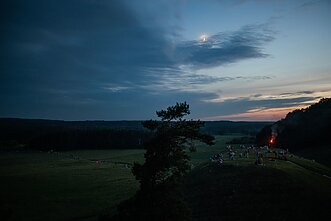
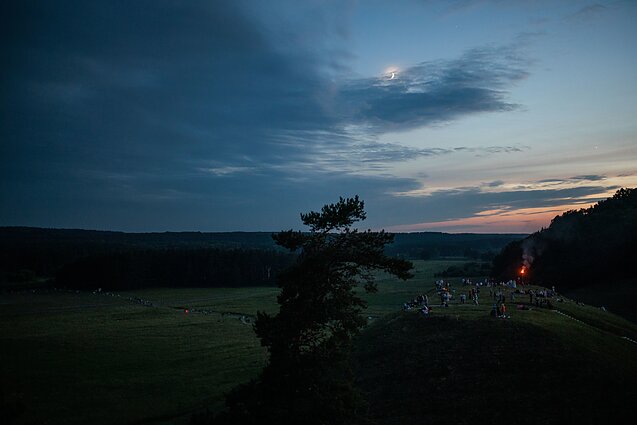
The first capital of Lithuanian grand dukes, Kernavė, is also known as the Lithuanian Pompeii for plentiful graves preserved here. People would often be buried together with their horses. The Kernavė Archaeological Site Museum gives an opportunity to learn about the oldest burial customs and see rare exhibits from the country’s prehistory.
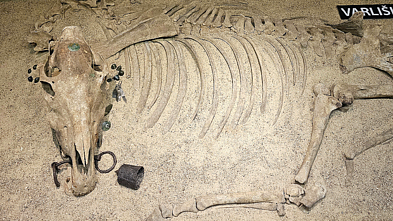
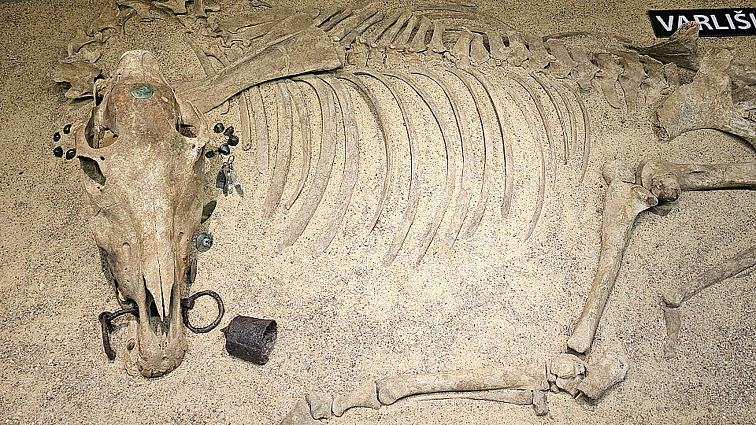
The tomb of a 25-year-old woman with piles of stones and a preserved winding pin, as well as an earthen urn with the burnt bones of a child, a 50-year-old man’s forearm bone and part of a woman’s eye socket – these are some of the preserved artefacts dating back 3,000. Among the artefacts is a 9-10th century horse grave, which introduces the Baltic tradition of burying not only humans but also animals.
Mummy at a university
The structure of the human body has always been of interest to curious people and scientists. Vilnius even had an Anatomy Theatre in the early 19th century, where exhibits on anatomy and zoology were shown to the public. Today, the Museum of the History of Medicine at Vilnius University’s Medical Faculty continues to collect and exhibit them. Along with surgical instruments, antique medicines and pharmaceutical publications, the museum also houses pathological preparations and a 19th-century male mummy.
Where the dead serve the living
“The dead serve the living” is how the Kaunas Anatomy Museum of the Lithuanian University of Health Sciences describes the science of anatomy. Its collection includes bones, skeletons, preserved organs, embryos and body parts. There are also the remains of three mummified people (two men and a girl).
Monks in glass coffins
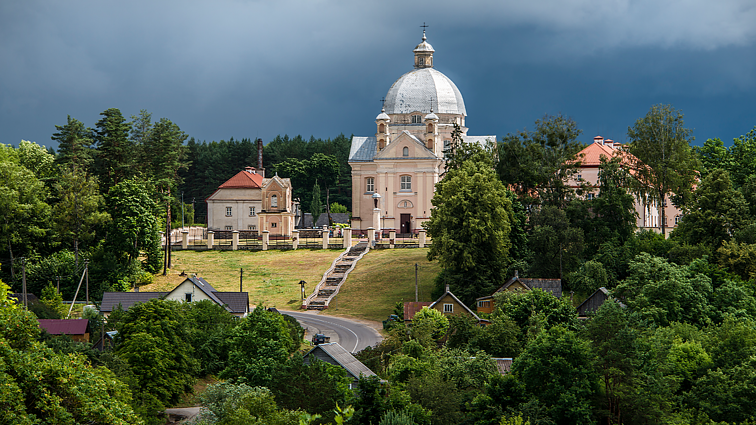
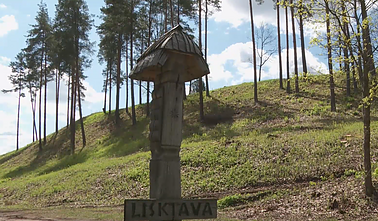
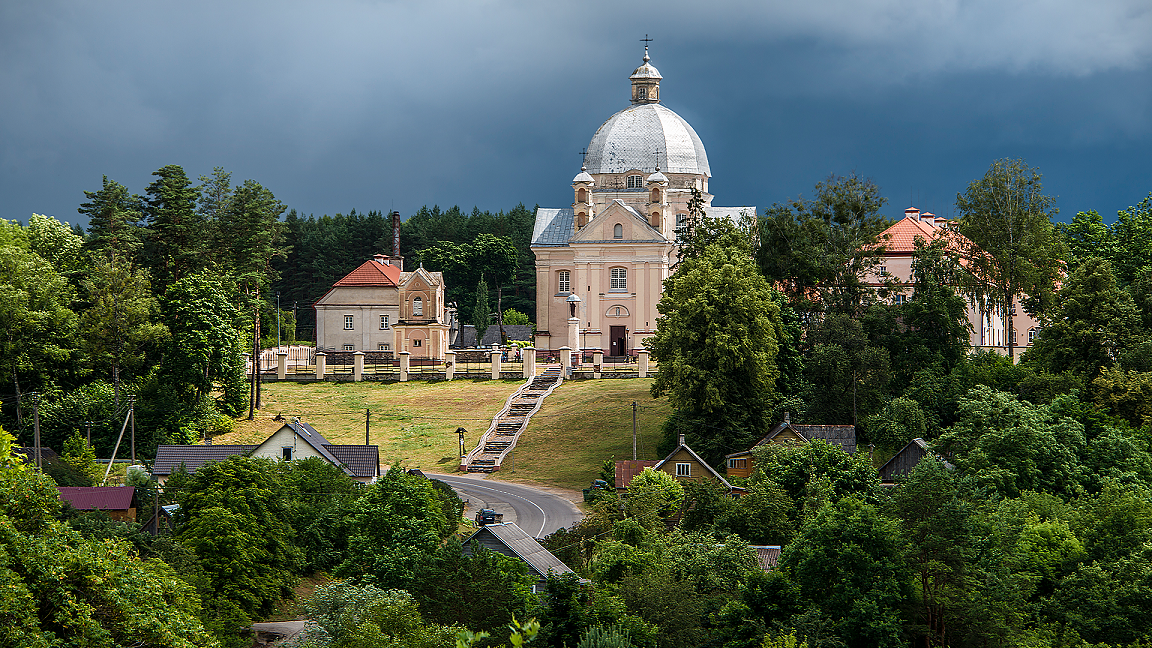
The Baroque Church of the Holy Trinity and the adjacent monastery have in their basement a crypt of Dominican monks from the 18th century. The five coffins there are made of glass. The decision to bury the old remains in glass coffins was made only a few decades ago. There are many churches in Lithuania that have sarcophagi of noblemen in their burial vaults, but Liškiava stands out because the coffins are open and the remains can be viewed.

Lonely skulls
Stories behind bones found by chance during excavations sometimes remain a mystery. For example, visitors to the home-museum of the sculptor Juozas Zikaras in Kaunas are greeted by empty skull eye sockets. This is one of the museum’s most mysterious exhibits, the history of which is not entirely clear.
The archaeological exposition of the Šilutė Hugo Scheu Museum also contains a fragment of a human skull. A human skeleton was found in the 19th century with a stone axe lying nearby. The bones were buried, but the axe and the upper part of the skull became an exhibit of the museum. The skull was found to be of a 40-50 year old man from the Late Neolithic period (3,100–2,000 BC).
When mammoths roamed the earth
The Tauragė Region Museum Santaka transports visitors back to the Ice Age. On display here is a mammoth bone found in the Sungailiškės gravel pit near Tauragė in the 1970s. According to researchers, mammoths lived on the territory of Lithuania between 76,000 and 26,000 years ago. Another interesting exhibit in the museum is a 12,000-year-old reindeer antler.
A whale in an oak tree
A blue whale’s jawbone and a mammoth’s rib in the trunk of an oak tree. These unusual exhibits are part of the oldest museum of antiquities in Lithuania, the Baublis Museum of Dionizas Poška (Šilalė district). A piece of the lower jaw of a great blue whale, which is about 50,000 years old, and parts of a mammoth rib were found in the peat bogs of the Bijotai area.
Animals untouched by time
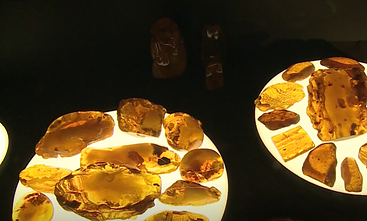
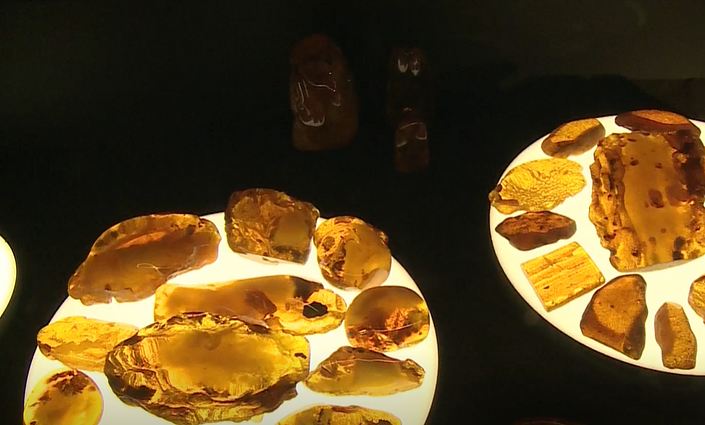
Animals preserved in amber are natural mummies, with the resin having preserved their remains over millions of years. The collection of 15,000 objects in the Palanga Amber Museum includes a very rare find – a piece of amber with a lizard that lived in the time of dinosaurs. You can also see insects, arachnids and other animals that have been trapped in amber resin.
Curiosities from around the world
The lesser-known Zoological Museum of Vilnius University, the oldest scientific zoological museum in Lithuania, also has interesting exhibits. It is particularly proud of the bird collection of Count Konstanty Tyzenhaus, considered one of the oldest of its kind in Europe. It even includes particularly valuable specimens from James Cook’s expeditions. The museum also features the jaw and whisker of a bowhead whale and the teeth of a “sea unicorn” narwhal from the collection of curiosities of Christopher Radvila the Black.
Before you visit the site, check its website for opening hours and visiting conditions.

Newsletter
Every Friday morning.