














The trade war with China, which has been going on for almost two years, has receded. In the first half of 2023, exports of Lithuanian goods have already grown fourfold compared to the whole of last year.
According to information from the State Data Agency, Lithuania exported goods worth €208.1 million to China in 2019 and €243.9 million in 2020.
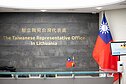
In 2021, however, trade with China declined after Lithuania allowed Taipei to open its representative office in Vilnius. Beijing then imposed de facto sanctions on Lithuania.
Further reading
As a result, exports of Lithuanian goods to China dropped to €170.8 million in 2021 and to €45.2 million in 2022.
Based on the latest figures, however, it seems Lithuania has largely weathered China’s wrath. In the first half of 2022, Lithuania exported goods worth €11.8 million to China. In the first half of this year, already €40.7 million worth of Lithuanian goods were exported to the country.
Lithuania also recorded a dramatic rise in imports from China, with 2022 being the record year with almost €1.9 billion worth of goods coming from Beijing.

Before the clash over Taiwan, €1.57 billion worth of goods came from China in 2021, €1.17 billion in 2020 and €928.7 million in 2019.
According to Tadas Povilauskas, chief economist at SEB Bank, the growth in exports is deceptive. If you look at the change over two years, there is still a significant decline, he said.
“[But] the upturn [in exports] is a sign that some Lithuanian goods are returning to China and that their exports are no longer being viewed so categorically,” he told LRT.lt.
The economist attributed the record imports from China last year to the good performance of Lithuania’s retail industry.
According to Vidmantas Janulevičius, president of the Lithuanian Confederation of Industrialists, exports to China are now recovering.
“If companies used to ship [to China] through intermediaries, now, they ship directly. We expect that the restrictions will continue to decrease as Lithuanian companies export to China,” he said.
In a written comment, Lithuania’s Economy and Innovation Ministry said prices had also risen during the export-growth period, which explains the rise in figures.
“This means that the increase in volumes has been smaller and the changes are not significantly large. The main driver of the increase was the export of laboratory reagents to China,” the ministry said.
“Exports to China are likely to grow, but will not become a priority export market. Companies are in no hurry to renew existing trade relations and exports to China are subject to political risks,” it added.
Meanwhile, the country’s Foreign Ministry downplayed the importance of reentering the China market.
According to the ministry, the export of Lithuanian products to EU countries in the first half of 2023 totalled some €7.89 billion, which makes up 65% of the total exports of Lithuanian-origin goods. Exports to the United States totalled €886.03 million, or 7.4% of total Lithuanian exports.
“At present, Lithuania does not implement any specific export promotion measures for the Chinese market. Foreign markets with increased risks may be attractive for Lithuanian companies, but it should be stressed that it is always advisable to assess the potential risks – political, economic, regulatory and other,” the ministry said.

Newsletter
Every Friday morning.